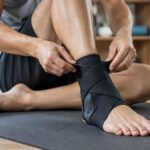

Choosing the right dressing can mean the difference between a wound that closes quickly and one that lingers for weeks. Dressings are more than plain gauze; they’re engineered barriers that keep bacteria out, control moisture, absorb drainage, and create the ideal temperature for new tissue to grow. The perfect match depends on depth, drainage level, infection risk, and where the injury sits on the body, factors that shift as healing moves through its stages.
This guide walks you through 15 dressing categories, from everyday gauze to high-tech negative-pressure systems, describing how each product works, when to reach for it, and practical tips you can use at the bedside or in a busy clinic. You’ll notice that the raw wound dressing materials themselves repeat throughout this list: cotton, foam, silicone, collagen, and various gels, each engineered into a slightly different shape or backing to solve a specific drainage or protection problem. Whether you’re a caregiver managing a diabetic foot ulcer or a weekend athlete patching up a scrape, the sections below will give you the clarity to choose confidently or to ask sharper questions during your next appointment.
1. Gauze Dressings
Old-school yet indispensable, sterile gauze is the Swiss-army knife of wound care, cheap, easy to find, and endlessly adaptable for home kits or clinical carts.
What It Is and How It Works
Woven or non-woven cotton arrives in squares, rolls, or sponges, the most basic of all wound dressing materials and usually the first thing stocked in a home first-aid kit or a clinical supply cart. You’ll see it sold as 2×2 and 4×4 sponge packs, rolled gauze for wrapping fingers and limbs, or impregnated with petrolatum, iodine, or saline for extra function. The loose fibers let air circulate while wicking fluid away; when moistened with saline, the material keeps the wound bed comfortably moist instead of drying out and sticking to fragile new tissue.
Best for These Wounds
- Small cuts, lacerations, and abrasions
- Deep cavity packing
- Secondary cover over gels
- First-aid coverage for minor open wounds at home
Application Tips & Cautions
- Wet with saline to prevent sticking
- Replace at least daily, or sooner if drainage soaks through
- Remove lint before re-dressing
- Skip plain dry gauze once a wound needs sustained moist healing; a hydrogel or foam usually outperforms it once drainage slows
2. Non-Adherent Contact Layer Dressings
What do you reach for when the wound is fragile but drainage still needs to escape? A non-adherent contact layer offers that gentle middle ground.
What It Is and How It Works
Ultrathin nylon or polyester mesh, coated with petrolatum or soft silicone, lets fluid wick through while preventing adhesion. This is the classic mesh dressing for open wounds that clinicians reach for whenever they need coverage that won’t tear away newly formed skin on removal. Variants with ionic silver add light antimicrobial action without extra bulk, and some come pre-slit so they mold around irregular surfaces like toes, heels, or finger webs.
Best for These Wounds
- Skin graft sites
- Superficial burns
- Abrasions
- Fragile new epithelium
- Open wounds with exposed dermis that need protection but not heavy absorption
Application Tips & Cautions
Cut to size, cover with an absorber, and change every 1–3 days. Avoid overlapping intact skin to prevent maceration. Because the mesh itself holds no drainage capacity, always pair it with a secondary gauze or foam pad; otherwise fluid pools underneath and softens the wound edges.
3. Transparent Film Dressings
Picture a thin, see-through sticker that shields the wound yet lets you keep an eye on progress without peeling anything off, that’s the appeal of transparent films.
What It Is and How It Works
These clear polyurethane sheets are semi-permeable: oxygen and water vapor get out, but liquids, bacteria, and dirt stay blocked. The adhesive layer molds closely to curves, creating an occlusive seal that locks in just enough moisture to speed epithelial cell migration. Because the sheet is transparent, you can check color, swelling, or drainage changes right through the dressing, which is useful for wounds that need frequent visual monitoring without disturbing the healing surface underneath.
Best for These Wounds
- Shallow, low-drainage scrapes or surgical sites
- Stage I pressure injuries
- IV and catheter insertion points
- Donor skin graft areas needing visibility
Application Tips & Cautions
- Apply only to clean, lightly exuding tissue, never over infection or heavy drainage
- Leave at least a 1-inch adhesive border on intact skin for a leak-proof seal
- Smooth from center outward to avoid wrinkles that can trap fluid
- Change every 3–5 days or sooner if clouding, lifting, or excess exudate appears
4. Foam Dressings
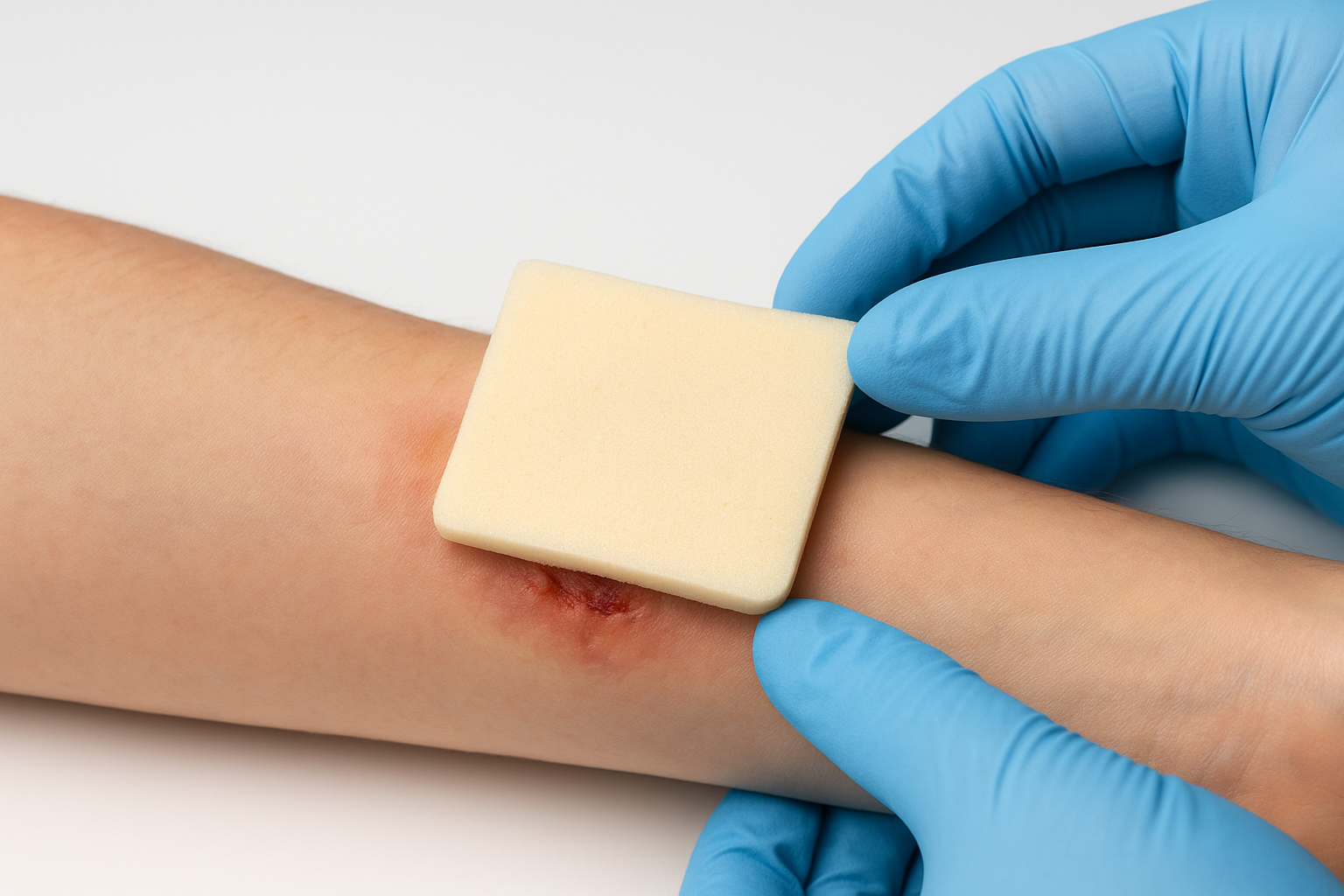
When a wound oozes more than a thin film can handle, foam dressings step in. The soft, sponge-like material swallows exudate, cushions pressure points, and keeps the wound at the moisture-rich, body-temperature sweet spot that cells love.
What It Is and How It Works
Polyurethane or silicone foam, sold as sheets, cavity strips, or bordered pads, pulls fluid vertically into open pores while the vapor-permeable backing keeps germs out. Thickness ranges from thin non-bordered sheets for shallow wounds to thick multi-layer pads for cavities, which is part of why foam consistently shows up as one of the best bandages for wound healing on ulcers: one product family covers light to heavy drainage depending on the pad you choose.
Best for These Wounds
- Venous or diabetic ulcers with moderate–heavy drainage
- Post-op incisions, donor sites
- Stage II–III pressure injuries
Application Tips & Cautions
- Extend pad 1 cm past wound edge; secure with tape
- Change every 3–7 days or sooner if two-thirds saturated
- Watch for maceration; add skin barrier cream if needed
- Foam’s insulating effect may reduce pain on weight-bearing areas
5. Hydrocolloid Dressings
If you need a “set-it-and-forget-it” cover, hydrocolloids are often the go-to among the many types of wound dressings. Their self-adhesive wafers lock in just enough moisture to trigger the body’s own enzymes to soften slough and speed granulation, all while keeping outside contaminants at bay.
What It Is and How It Works
- Flexible wafer containing gelatin, pectin, or carboxymethylcellulose
- Absorbs exudate and transforms into a gel that conforms to the wound bed
- Occlusive backing maintains warmth and shields against bacteria and shear
- Because the gel that forms softens and lifts dead tissue on its own, hydrocolloids are frequently the first dressing tried when someone is looking for the best dressing to remove slough without resorting to sharp debridement
Best for These Wounds
- Low-to-moderate exudate pressure injuries (Stage II–III)
- Shallow venous ulcers needing autolytic debridement
- Minor burns, donor sites, and post-op wounds that are not infected
Application Tips & Cautions
- Warm wafer between palms for better adhesion, then center over wound with a 1 in (2.5 cm) margin
- Expect mild odor and yellow gel on removal, both are normal, not infection
- Avoid use on fragile periwound skin, tunnels, or actively infected lesions; change every 3–5 days or sooner if leakage occurs
6. Hydrogel Dressings
Hydrogel dressings are essentially cool, water-rich jellies that rehydrate tissue and instantly take the sting out of a wound.
What It Is and How It Works
Available as amorphous gel, impregnated gauze, or thin sheets, hydrogels donate moisture, absorb minimal exudate, and lower surface temperature to calm exposed nerve endings. They’re also a go-to option when you’re chasing the best dressing to remove slough on a dry, necrotic wound bed, since the donated moisture rehydrates hard eschar until it lifts free on its own instead of requiring mechanical scraping.
Best for These Wounds
- Dry, necrotic ulcers needing softening
- Partial-thickness thermal burns
- Painful radiation dermatitis patches
- Granulating wounds with scant drainage
Application Tips & Cautions
Fill lightly, add an absorbent cover, change daily when drainage increases, and stop use if surrounding skin becomes macerated or white.
7. Alginate Dressings
Alginate dressings are the drainage watchdogs of wound care, turning heavy fluid into a manageable gel that supports faster, cleaner healing.
What It Is and How It Works
Made from calcium-rich seaweed fibers, they swap ions with exudate, forming a conforming gel that fills dead space and provides mild hemostasis. Sold as flat sheets or loose ropes, alginate is one of the easiest wound dressing materials to pack into irregular cavities because it molds to whatever shape it meets.
Best for These Wounds
- Moderate–heavy draining ulcers
- Cavity or tunneling wounds
- Oozing surgical or trauma sites
Application Tips & Cautions
Loosely pack, leaving a 1 cm margin; cover with foam or film. Skip if the wound is dry. Change every 24–72 h, flushing saline to lift the gel and prevent fiber residue.
8. Hydrofiber Dressings
Hydrofiber dressings shine when you need maximum absorption without the side-effects of leakage or macerated edges.
What It Is and How It Works
Sheets or ribbon of sodium carboxymethylcellulose that swell into a cohesive gel, locking fluid vertically and away from skin. Unlike alginate, the gel holds together as a single mass, which makes hydrofiber easier to lift out in one piece during a dressing change.
Best for These Wounds
- High-drainage surgical or traumatic wounds
- Diabetic, venous, or pressure ulcers gushing exudate
- Donor sites and cavities you must pack
Application Tips & Cautions
- Trim flush with wound edge; cover with foam or film
- Change when exudate is 1 cm from border, often every 3–7 days
- Irrigate gently on removal; gel can cling to granulation tissue
9. Collagen Dressings
Adding collagen, the same protein your skin is built from, gives a sluggish wound a ready-made scaffold, coaxing cells to lay down organized tissue more quickly than they might on their own.
What It Is and How It Works
Bovine or porcine collagen is processed into dry sheets, powders, or ropes. Contact with wound fluid binds destructive enzymes and signals fibroblasts to spin fresh granulation tissue. Because collagen actively recruits new tissue rather than simply covering the wound, it’s often reserved for wounds that have plateaued despite otherwise appropriate dressing changes.
Best for These Wounds
- Chronic diabetic, venous, or pressure ulcers
- Partial/full-thickness wounds with tendon or bone exposed
- Stalled surgical sites
Application Tips & Cautions
- Debride slough first, collagen needs a clean bed.
- Lightly moisten arid tissue, add a secondary cover, change every 2–3 days.
- Confirm no bovine/porcine allergies or cultural concerns.
10. Composite Dressings
Composite dressings bundle three layers into one product, saving time and guesswork for clinicians and caregivers. Fewer supplies mean faster changes and less risk of disrupting the moist healing environment.
What It Is and How It Works
A non-adherent layer rests on the wound, an absorbent middle locks fluid, and an adhesive or film backing keeps contaminants out. Because they combine coverage, absorption, and a bacterial barrier in a single product, composite dressings are often the answer when someone asks about the best type of surgical dressing for a routine incision that isn’t draining heavily.
Best for These Wounds
- Fresh surgical incisions
- Low–moderate drainage ulcers
- Home care “all-in-one” needs
Application Tips & Cautions
Choose a size with a one-inch border; follow manufacturer wear time, usually 2–3 days.
11. Silicone Foam & Soft Silicone Dressings
What It Is and How It Works
Silicone foam dressings combine a thirsty polyurethane core with a tacky silicone contact layer. The silicone grips surrounding skin, not the wound, so removal is virtually painless and the fragile edges stay intact. This makes silicone-faced foam one of the most forgiving wound dressing materials available for patients who need frequent changes but have thin or easily torn skin.
Best for These Wounds
- Thin or aged skin
- Pediatric graft sites
- Sacral pressure injuries
Application Tips & Cautions
- Lift slowly at low angle
- Wear up to seven days if pad < 75 % wet
- Saves skin but costs more
12. Silver-Impregnated Antimicrobial Dressings
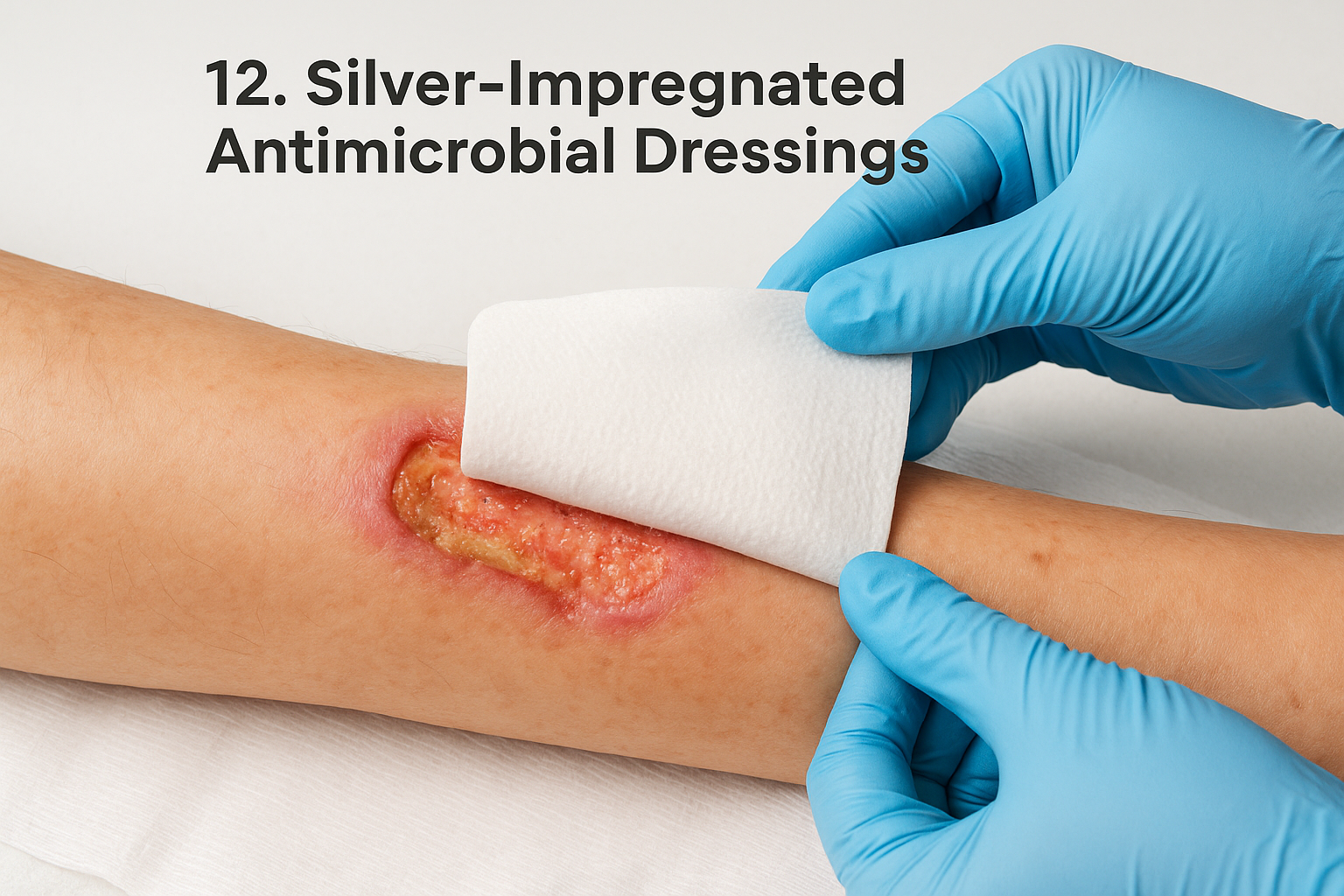
When bacterial load keeps a wound stuck in the inflammatory phase, silver can short-circuit the biofilm without antibiotics.
What It Is and How It Works
Silver dressings are foams, alginates, hydrofibers, or films impregnated with ionic Ag⁺. Moisture activates the ions, which bind to bacterial cell walls, disrupt DNA, and neutralize odor. Because the silver is carried in whichever base material fits the wound, you can match it to drainage level rather than settling for a single silver product.
Best for These Wounds
- Critically colonized burns
- Diabetic foot ulcers
- Pressure injuries with yellow slough
- Post-op incisions at high infection risk
- Wounds that repeatedly culture polymicrobial
Application Tips & Cautions
Limit use to 14 days, then reassess bioburden; prolonged silver can slow epithelialization. Keep the dressing moist, never soaked, and avoid petroleum products that inactivate ions.
13. Honey-Based Dressings (Medical-Grade Manuka)
Medical-grade Manuka honey dressings turn an ancient remedy into a modern bioactive cover, using acidity and high sugar to throttle bacteria and draw out excess fluid.
What It Is and How It Works
Sterile sheets, gels, or alginate ropes impregnated with 100 % Manuka honey; low pH (~3.5) and osmotic pull suppress microbes and keep the bed moist. The same osmotic pull that fights bacteria also helps loosen thin layers of slough, so honey dressings occasionally double as a gentle debridement aid on sluggish wounds.
Best for These Wounds
- Malodorous ulcers
- Shallow burns
- Radiation wounds
- Sloughy donor sites
Application Tips & Cautions
- May sting briefly
- Cover with absorbent secondary
- Screen for bee allergies
- Change every 1–3 days
14. Negative Pressure Wound Therapy (NPWT) Dressings
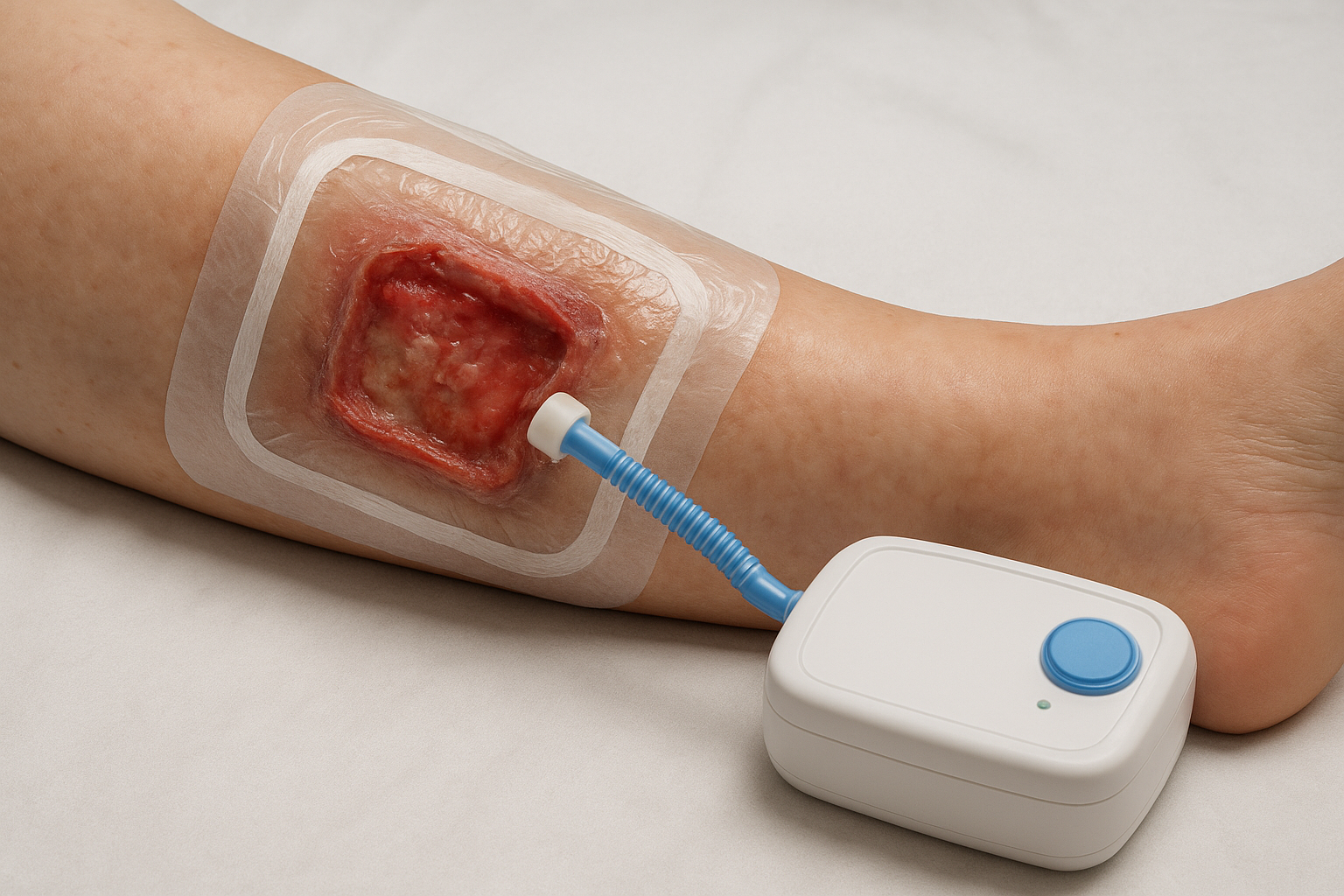
Sometimes the only way to tame copious drainage and pull wound edges together is to add suction. NPWT systems pair a specialized dressing with a portable pump, making them one of the most advanced types of wound dressings available today.
What It Is and How It Works
- Open-pore polyurethane or polyvinyl alcohol foam, or saline-moistened gauze, placed in the wound
- Occlusive transparent film creates an airtight seal
- Vacuum pump applies continuous or intermittent ‑125 mmHg (usual setting) to evacuate exudate, reduce edema, and micro-deform tissue, stimulating granulation and perfusion
Best for These Wounds
- Large, deep, or tunneling ulcers
- Dehisced surgical incisions and orthopedic hardware exposures
- Skin grafts/flaps needing secure bolstering
- Post-debridement diabetic foot wounds
Application Tips & Cautions
- Change dressing every 48–72 hours (24 h if infected) by trained personnel
- Protect intact skin with hydrocolloid strips before placing drape
- Contraindicated over untreated necrosis, active bleeding, or malignancy
- Pause suction and clamp tubing before patient transport to maintain seal
15. Compression Dressings and Bandage Systems
Among the various types of wound dressings, compression systems don’t just cover the injury, they actively fight swelling. Excess fluid chokes healing because it robs tissue of oxygen; graduated pressure pushes that fluid back into circulation while the wrap doubles as a protective secondary layer.
What It Is and How It Works
Multi-layer wraps, short-stretch, long-stretch, or cohesive, deliver graduated pressure (≈ 40 mmHg at the ankle, tapering upward) that propels venous blood and lymph toward the heart, cuts edema, and speeds epithelial repair. Some systems build the wound cover directly into the innermost layer, so the wrap itself doubles as the primary dressing rather than needing a separate pad underneath.
Best for These Wounds
- Venous leg ulcers
- Lower-leg edema from chronic venous insufficiency
- Lymphedema-related skin breakdown
- Post-surgical calf swelling
Application Tips & Cautions
- Check ABI ≥ 0.8 before therapeutic compression.
- Wrap toes to knee with 50 % overlap, less tension up the leg.
- Re-wrap every 3–7 days or if loose; instruct patients to report numbness or color change.
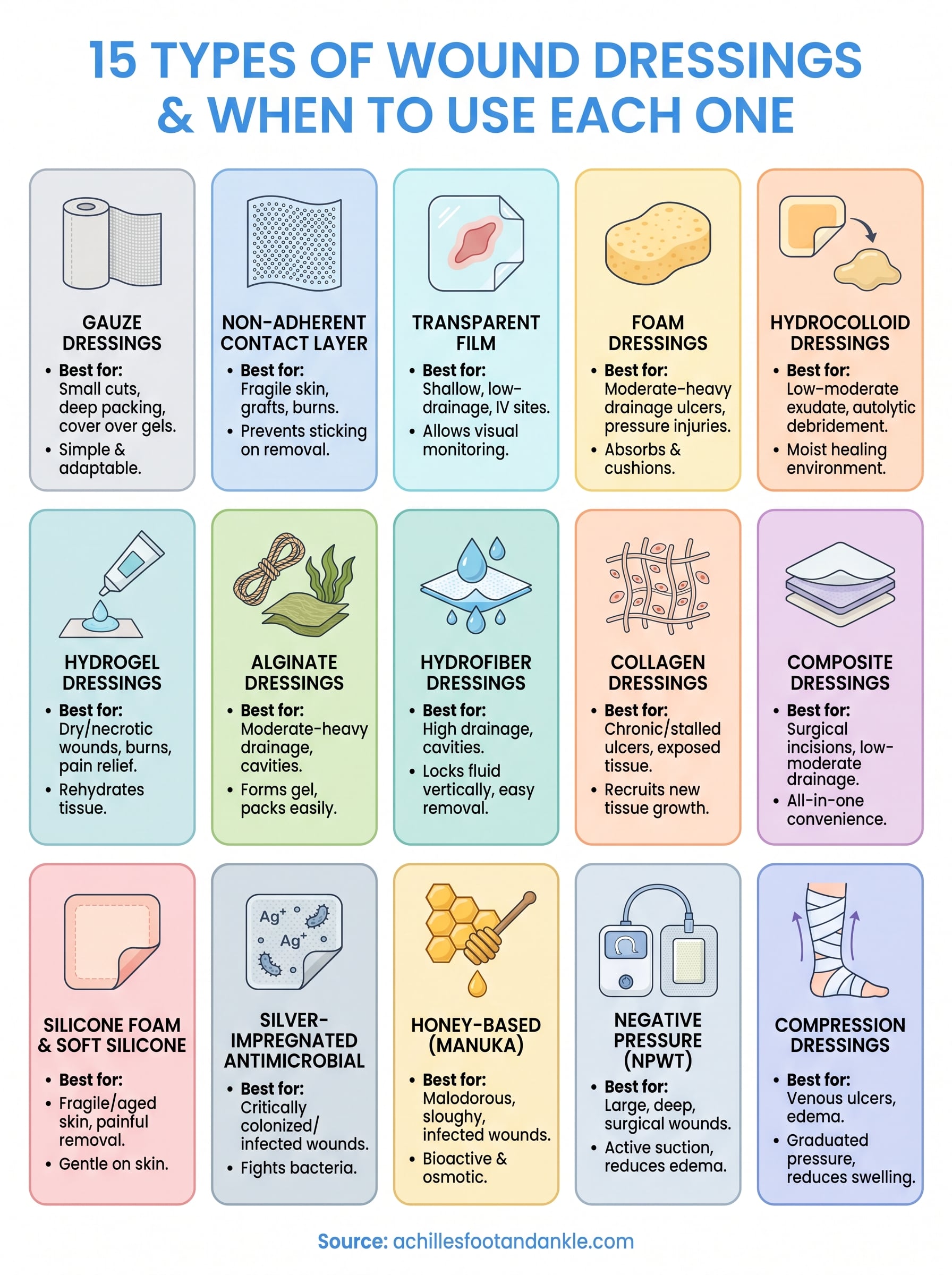
Key Takeaways on Choosing the Right Wound Dressing
Choosing among the many types of wound dressings doesn’t have to feel like guesswork. There’s no single best wound dressing that works for every wound; the right choice always depends on how much fluid the wound produces, how deep it runs, and whether infection is a concern. Keep these four touchstones in mind and you’ll land close to the mark every time:
-
Balance the moisture:
- Dry wounds need products that donate fluid (hydrogels).
- Wet wounds need absorbers that lock exudate away (foams, hydrofibers, alginates).
-
Control bioburden early:
- Signs of critical colonization call for antimicrobial options (silver or honey).
- Reassess after two weeks; discontinue if infection resolves.
-
Protect the periwound:
- Fragile skin favors gentle adhesives such as silicone foams or non-adherent meshes.
- Use barrier films or ointments to prevent maceration from seepage.
-
Reevaluate often:
- Healing stages change drainage, depth, and pain levels, your dressing choice should evolve in step.
- Document progress and adjust at least weekly.
If you’re dealing with a stubborn foot or ankle wound, especially alongside diabetes, schedule a focused evaluation at Achilles Foot and Ankle Center to get a customized plan and speed your recovery.