A torn ligament, a stress fracture, a badly rolled ankle, these injuries don’t just hurt in the moment. Without proper care, they can sideline you for months or lead to chronic problems that follow you for years. That’s where injury rehabilitation services come in. These programs combine targeted therapies, medical expertise, and structured recovery plans to help you regain strength, mobility, and function after an injury. Whether you’re dealing with a sports-related setback or recovering from surgery, understanding what rehabilitation involves, and when to start, can make the difference between a full recovery and a lingering issue.
At Achilles Foot and Ankle Center, we see firsthand how the right rehabilitation approach transforms outcomes for our patients across Central Virginia. From post-surgical recovery to conservative treatment for sprains, fractures, and soft tissue damage, our team works with patients through every phase of healing. Foot and ankle injuries in particular demand specialized attention because of the complex mechanics involved in simply standing and walking.
This article breaks down what injury rehabilitation services actually include, the types of injuries they address, and the signs that tell you it’s time to seek professional help. We’ll also cover what to expect from the process so you can walk into your first appointment with a clear picture of the road ahead.
Why injury rehabilitation services matter
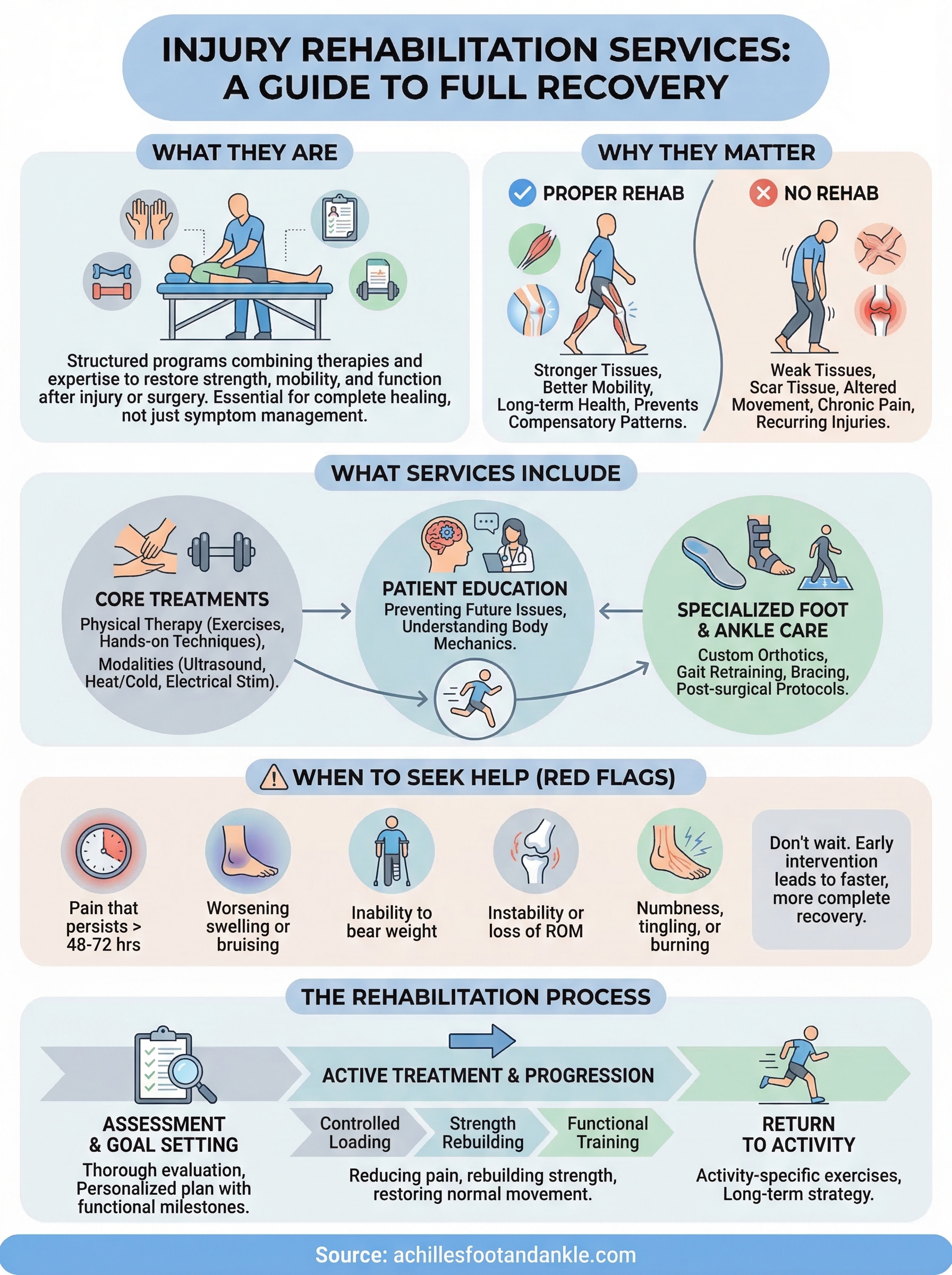
When you injure your foot or ankle, the initial pain often fades within days. That improvement can feel like a signal to return to normal activity, but incomplete healing leaves tissues weak and vulnerable. Skipping structured care means your body compensates in ways that create new problems over time, including altered gait, joint instability, and recurring injuries.
Injuries that don’t fully heal rarely stay quiet. They show up later as chronic pain, reduced mobility, or a second injury that’s significantly harder to treat than the first.
The real cost of skipping rehabilitation
Forgoing professional help is a common mistake, and it carries measurable consequences. Scar tissue that forms without guided treatment can permanently restrict your movement and reduce functional strength in the injured area. Research from the National Institutes of Health confirms that patients who complete structured physical therapy after musculoskeletal injuries report significantly better long-term outcomes than those who rest without intervention.
For foot and ankle injuries specifically, the stakes are even higher. Weight-bearing mechanics mean that weakness in one structure places direct pressure on surrounding joints, tendons, and muscles. That chain reaction accelerates wear throughout the entire lower limb and can push you toward more invasive treatment down the road.
How structured recovery changes outcomes
Injury rehabilitation services follow a clinical process designed to restore your specific function, not simply manage your symptoms. A qualified provider assesses your range of motion, strength, and movement patterns to understand the full picture of what needs to heal.
Your treatment adapts as you progress through each phase of recovery. That adaptability is what prevents plateaus and helps patients avoid repeat procedures or additional surgeries by ensuring the initial healing process is completed correctly from the start.
What injury rehabilitation services include
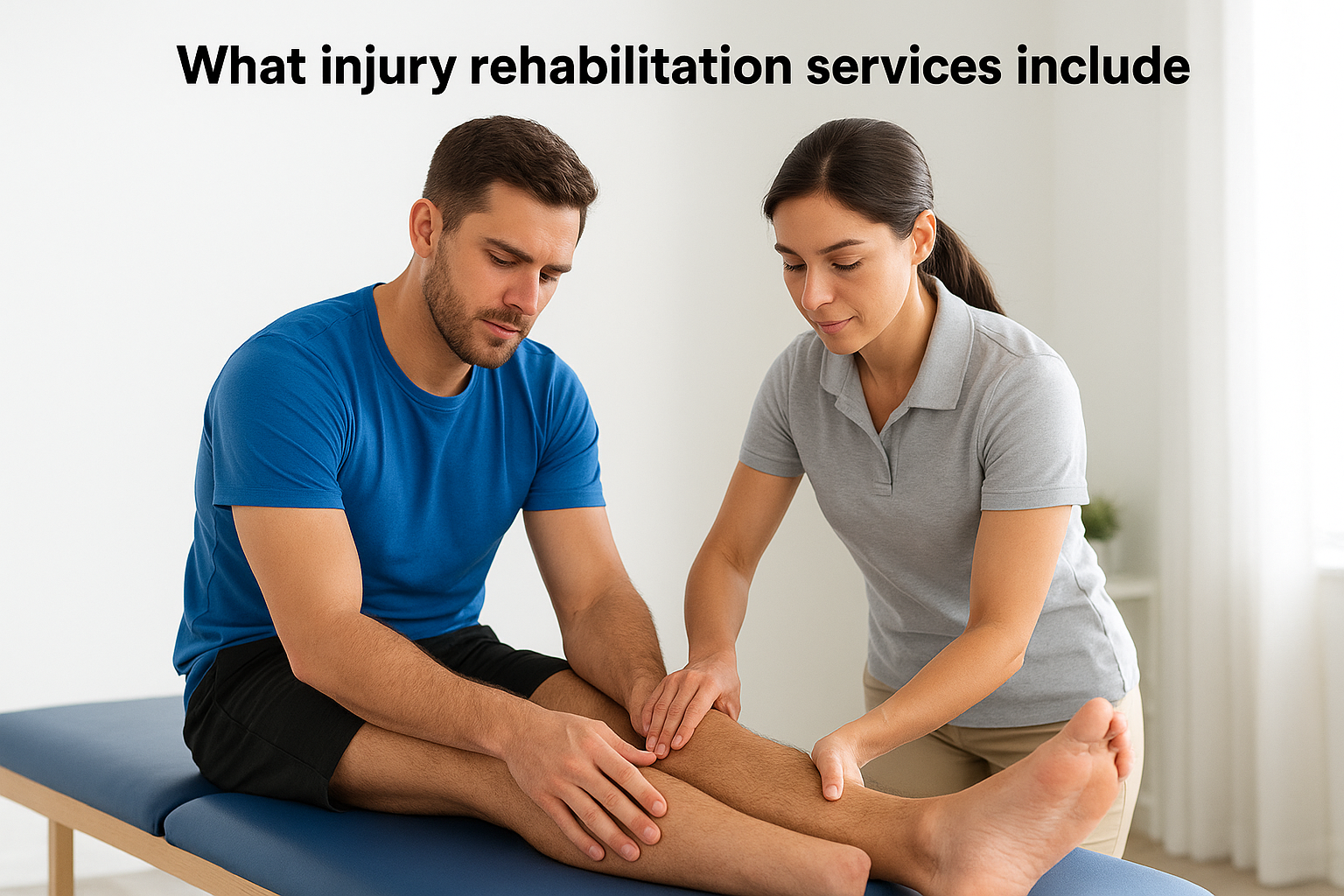
Injury rehabilitation services cover a broad range of treatments, and the specific combination depends on your injury type, severity, and recovery goals. Most programs blend manual therapy, therapeutic exercise, and patient education to address both the structural damage and the movement habits that slow recovery.
Core treatment modalities
Physical therapy forms the backbone of most rehabilitation programs. Your provider uses targeted exercises and hands-on techniques to rebuild strength and restore normal movement patterns. Modalities like ultrasound therapy, electrical stimulation, and cold or heat application help reduce inflammation and manage pain during the earlier phases of recovery.
The goal isn’t just to eliminate pain. It’s to restore the function that pain originally interrupted.
Specialized foot and ankle care
For lower extremity injuries, rehabilitation often extends beyond standard physical therapy. Your provider may incorporate custom orthotics, gait retraining, or bracing to correct the biomechanical issues that contributed to the injury in the first place. Post-surgical patients frequently need range-of-motion work and progressive weight-bearing protocols before returning to full activity. Addressing these specifics early prevents the compensatory patterns that lead to secondary injuries elsewhere in the lower limb.
When to seek injury rehab and red flags
Many people wait too long to pursue injury rehabilitation services, hoping rest alone will fix the problem. In most cases, early intervention produces faster and more complete recoveries than delayed treatment. If your injury is affecting how you move or how you live, that’s your cue to act.
The longer you wait to address an injury, the more your body adapts around it, and those adaptations are often harder to correct than the original problem.
Signs you shouldn’t wait
Some symptoms signal that professional evaluation is urgent. Persistent swelling, sharp pain during weight-bearing, or visible deformity after a foot or ankle injury all warrant immediate attention. Don’t dismiss these as minor inconveniences.
Watch for these red flags in particular:
- Pain that doesn’t improve after 48 to 72 hours of rest and basic care
- Bruising or swelling that spreads or worsens over the first few days
- Inability to bear weight or significant loss of range of motion
- A sensation of instability when walking or standing
- Numbness, tingling, or burning that extends into the foot or toes
Any of these signs means your injury likely needs structured clinical care, not more time on the couch.
How injury rehabilitation works step by step
Injury rehabilitation services follow a predictable progression, but your specific timeline depends on the nature and severity of your injury. Knowing what to expect at each stage helps you stay committed to the process even when progress feels slow.
Phase one: assessment and goal setting
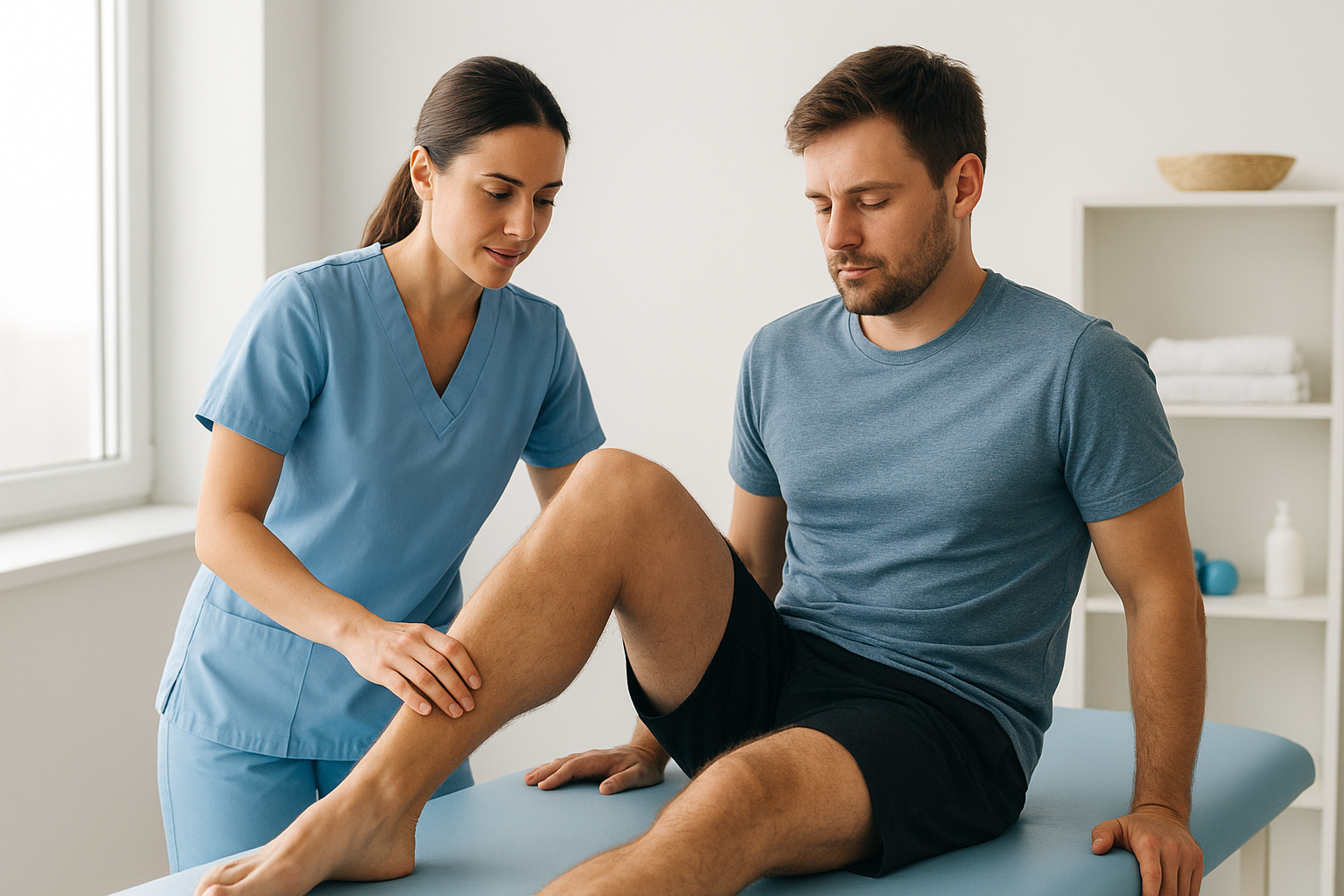
Your provider starts by conducting a thorough evaluation of your injury, reviewing your medical history, imaging results, and how the injury affects your daily movement. From there, they build a personalized treatment plan with clear milestones tied to your functional goals, not just pain scores.
A strong initial assessment determines whether your recovery takes weeks or months, so detail matters here.
Phase two: active treatment and progression
Once your plan is in place, treatment begins. Early sessions focus on reducing pain and inflammation while protecting damaged tissue. As your body responds, your provider advances the intensity of exercises to rebuild strength and restore normal function. This phase typically moves through three stages:
- Controlled loading: gentle movement that protects healing tissue without stressing it
- Strength rebuilding: progressive resistance work to restore full capacity
- Functional training: activity-specific exercises that prepare you for return to normal life
How to choose the right rehab provider locally
Not every provider delivers the same quality of injury rehabilitation services, and the difference matters when you’re working to recover full function. Look for a practice with specialists trained in your specific injury type rather than a general clinic that treats everything without real depth. For foot and ankle injuries, that means a podiatric specialist who understands lower extremity mechanics.
What to look for in a provider
Your provider’s credentials and treatment approach should align with your specific needs. A strong program offers on-site diagnostic tools like digital imaging or ultrasound, so your care stays accurate throughout recovery. Key features to prioritize when evaluating a local provider:
- Custom orthotics and bracing available in-house
- Multi-disciplinary support including surgical follow-up
- Flexible scheduling and same-day appointment availability
Convenience matters more than you expect. A provider close to home with flexible scheduling makes it far easier to stay consistent through a full recovery.
Questions to ask before your first appointment
Before committing, ask whether the practice develops individualized treatment plans or uses a one-size-fits-all protocol. You should also confirm that the team accepts your insurance and can handle urgent concerns as they arise mid-recovery, so you’re never left waiting when something changes.
Next steps for getting help
Recovering from a foot or ankle injury takes more than rest. Injury rehabilitation services give you a structured path back to full function, with clinical support at every stage of healing. Whether you’re managing a recent sprain, recovering from surgery, or dealing with a problem that has lingered for months without improvement, getting a professional evaluation early is the most effective action you can take toward a complete and lasting recovery.
Achilles Foot and Ankle Center serves patients across thirteen locations in Central Virginia, offering same-day appointments, custom orthotics, on-site digital imaging, and comprehensive post-surgical care. Your recovery deserves specialists who focus exclusively on the foot and ankle, not a general clinic that spreads its expertise across every condition. When you’re ready to stop managing symptoms and start recovering properly, schedule a same-day appointment with our team and get a clear, personalized plan in place from day one.