

If you’ve recently injured your foot or your doctor suspects a fracture, stress fracture, or bone abnormality, an X-ray is often the first diagnostic step. But before you schedule that appointment, you’re probably wondering: what does a foot x-ray cost? The answer depends on several factors, including whether you have insurance, where you get the imaging done, and even your geographic location.
At Achilles Foot and Ankle Center, we regularly help patients across Central Virginia navigate these questions. We understand that unexpected medical expenses can add stress to an already uncomfortable situation. That’s why we believe in transparency, knowing what to expect financially helps you make informed decisions about your care.
This guide breaks down the typical costs of foot X-rays with and without insurance, compares pricing at different types of facilities (from urgent care clinics to hospitals), and offers practical tips to help you find affordable imaging. Whether you’re dealing with a potential fracture, chronic foot pain, or need pre-surgical evaluation, you’ll leave with a clear picture of what to budget for.
What a foot X-ray is and what it includes
A foot X-ray is a non-invasive imaging procedure that uses electromagnetic radiation to capture detailed pictures of the bones in your foot. The process takes just a few minutes and doesn’t require any preparation, needles, or contrast dyes. Your technician positions your foot on a special plate while an X-ray machine passes a small, controlled amount of radiation through your body to create images that reveal bone structure, alignment, and any abnormalities. Doctors order these images to diagnose fractures, arthritis, bone spurs, dislocations, infections, and structural problems like flat feet or bunions.
The imaging process itself
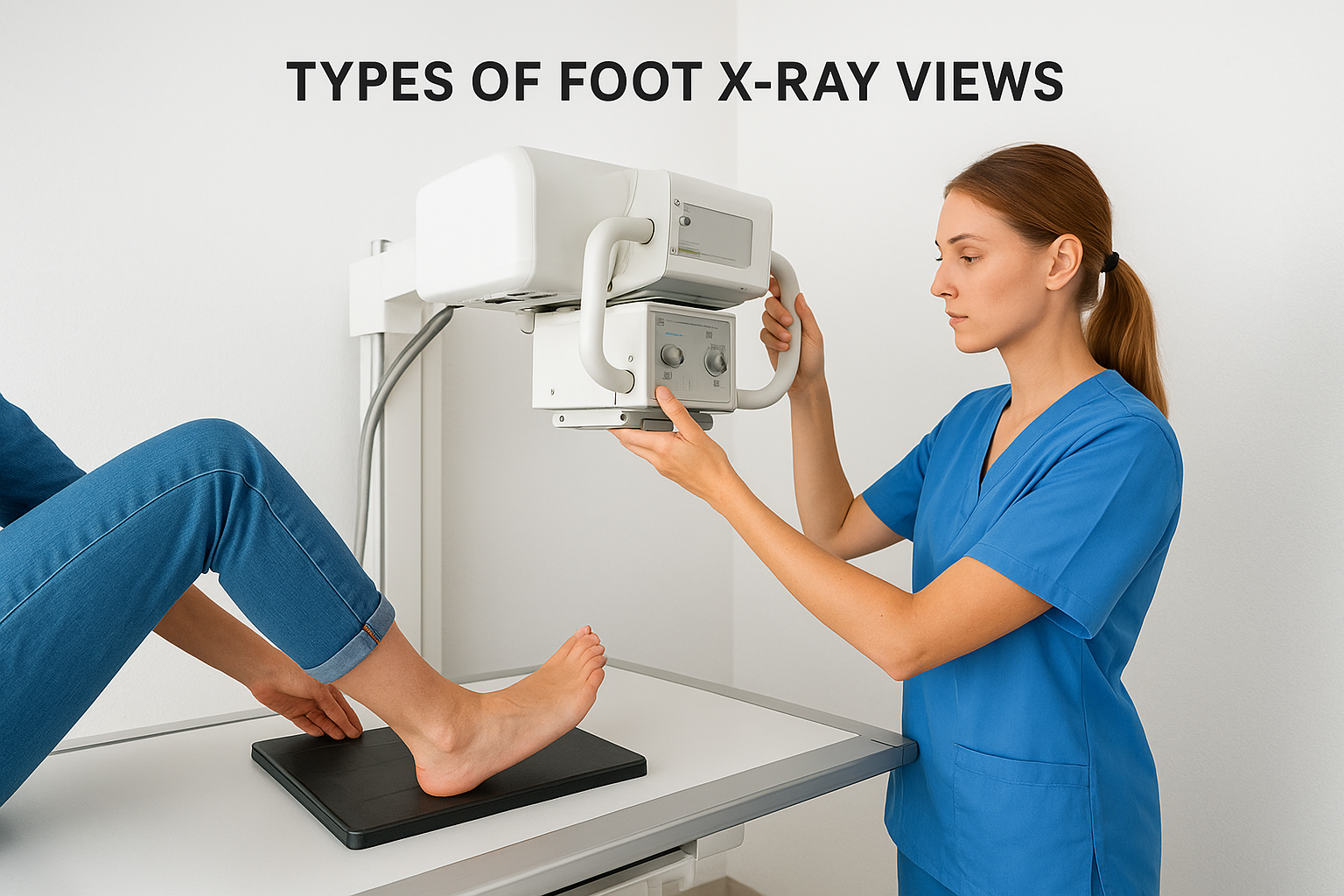
When you arrive for your foot X-ray, you’ll remove your shoe and sock, along with any jewelry or metal objects near the imaging area. The technician positions your foot on the X-ray plate and may place foam blocks or sandbags around it to hold it steady. You’ll need to remain completely still for each image, which typically takes only a few seconds per view. Most foot X-rays require multiple angles to give your doctor a complete picture of the problem area. The entire appointment usually lasts 15 to 30 minutes, including check-in time and positioning adjustments.
What’s included in the service
The foot x-ray cost you see quoted typically covers several components bundled together. First, you’re paying for the technical fee, which includes the equipment, facility, and the radiologic technologist who operates the machine and positions your foot. Second, there’s a professional fee for the radiologist who reads and interprets your images, then writes a detailed report for your referring doctor. Some facilities combine these into a single charge, while others bill them separately. Your quoted price should include all images taken during the session, whether that’s two views or five, though facilities don’t always make this clear upfront.
Most facilities bill the technical and professional components together, but you may see them listed as separate line items on your statement.
Types of foot X-ray views
Your doctor orders specific views based on what they’re looking for, and this affects the number of images taken. Standard foot X-rays include an anteroposterior (AP) view from the top, a lateral (side) view, and an oblique (angled) view. If your doctor suspects a stress fracture or subtle injury, they may request weight-bearing views, where you stand on the foot during imaging to see how bones shift under pressure. Specialized views for the toes, heel, or ankle joint require different positioning and may add additional charges to your bill. The more complex or specialized the views, the higher your total cost climbs.
Typical foot X-ray prices by payer and location
The foot x-ray cost varies dramatically based on whether you carry insurance and where you live in the United States. National data shows that uninsured patients face the highest bills, while insured patients typically pay a fraction of the total charge through copayments or deductibles. Geographic location matters too, as the same imaging procedure in urban California can cost double what you’d pay in rural Virginia. Understanding these price ranges helps you budget appropriately and choose the most affordable option for your situation.
National price ranges for uninsured patients
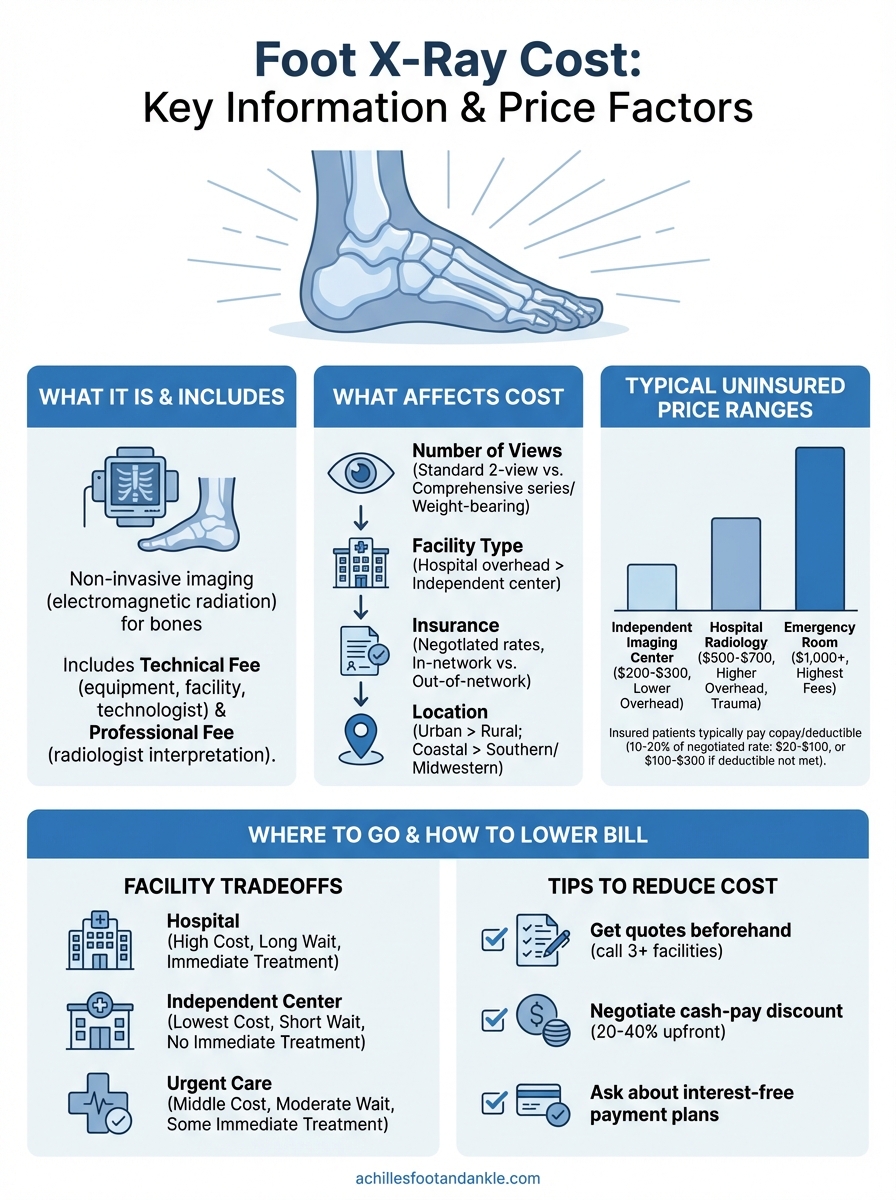
Without insurance, you can expect to pay $200 to $700 for a standard foot X-ray, depending on how many views your doctor orders and which facility you choose. Basic two-view X-rays at independent imaging centers typically start around $200 to $300, while hospital radiology departments often charge $500 to $700 for the same service. Emergency room X-rays push the upper end even higher, sometimes exceeding $1,000 when you factor in facility fees. Cash-pay discounts exist at many facilities, reducing your bill by 20% to 40% if you pay upfront.
Uninsured patients who negotiate before the procedure often secure better rates than those who wait for the bill to arrive.
Insurance coverage and your out-of-pocket expense
With major medical insurance, your responsibility drops significantly. Most plans classify diagnostic X-rays as medically necessary services, meaning they fall under your deductible or copay structure. If you’ve met your annual deductible, you typically pay 10% to 20% of the negotiated rate, which ranges from $20 to $100 for most patients. Those who haven’t met their deductible yet pay the full negotiated rate, which insurers negotiate down to $100 to $300, still lower than uninsured rates.
Regional price differences that affect your bill
Where you live changes what you pay substantially. Metropolitan areas like New York City, Los Angeles, and San Francisco charge 30% to 50% more than smaller cities. Southern and Midwestern states generally offer lower rates than coastal regions. Central Virginia patients at our facilities typically see prices in the mid-range compared to national averages, making our area relatively affordable for foot imaging services.
What changes the price
Several factors influence how much you’ll pay for a foot X-ray, and understanding these variables helps you predict your final bill more accurately. The foot x-ray cost shifts based on medical decisions your doctor makes, the business model of the facility you choose, and the negotiating power of your insurance company. Some variables you can control, like selecting a lower-cost imaging center, while others depend on your doctor’s clinical judgment about what images provide the most diagnostic value.
Number of views ordered
Your doctor determines how many images the technician takes, and each additional view increases your total cost. A basic two-view X-ray (typically front and side) costs less than a comprehensive series that includes oblique angles and specialized positioning. Weight-bearing views, where you stand on your injured foot during imaging, require extra time and positioning, adding to the technical fee. Doctors order more views when they suspect complex fractures, need to rule out multiple conditions, or want to compare your injured foot to your healthy one. You can’t negotiate this factor, but you can ask your doctor if the ordered views are all medically necessary for your diagnosis.
Facility type and overhead costs
The location where you get your X-ray dramatically affects pricing because different facilities operate with different overhead structures. Hospital radiology departments charge the highest rates, often two to three times more than independent imaging centers, because they maintain expensive equipment for trauma cases and staff specialists 24/7. Urgent care clinics fall in the middle range, while standalone diagnostic centers keep costs lower through high-volume operations and focused services.
Choosing an independent imaging center instead of a hospital can cut your out-of-pocket expense in half, even with insurance.
Your insurance plan’s negotiated rates
Insurance companies negotiate contracted rates with providers, and these agreements determine what facilities can charge covered patients. In-network providers accept significantly lower reimbursement rates than they charge uninsured patients, typically 40% to 70% less than their published prices. Out-of-network facilities bill at higher rates, and your insurance pays a smaller percentage, leaving you with a larger balance. Your plan’s deductible status also matters, because you pay the full negotiated rate until you meet your annual deductible amount.
Where to get a foot X-ray and cost tradeoffs
You have several options for getting your foot X-ray, and each facility type offers different advantages and pricing structures. Your choice affects not just what you pay, but also factors like wait time, convenience, and whether you can get immediate treatment if your doctor finds something serious. Understanding the cost tradeoffs at each location helps you balance your budget against your medical needs, especially if you’re managing a high deductible or paying out of pocket without insurance coverage.

Hospital radiology departments
Hospitals charge the highest prices for foot X-rays, typically $400 to $700 for standard views, because they maintain advanced equipment and staff for trauma cases around the clock. You’ll benefit from immediate access to emergency treatment if your X-ray reveals a severe fracture or dislocation requiring urgent care. These facilities also handle complex cases that need specialized imaging techniques or immediate consultation with orthopedic specialists. The downside is longer wait times and higher bills, making hospitals best suited for serious injuries or when your doctor specifically refers you there for advanced diagnostic capabilities.
Independent imaging centers
Standalone diagnostic centers offer the lowest foot x-ray cost for most patients, ranging from $150 to $300 without insurance. These facilities focus exclusively on diagnostic imaging, which keeps their overhead expenses lower than hospitals. You’ll typically get appointments faster and spend less time in the waiting room because they run a streamlined operation. However, if your X-ray shows something requiring immediate medical intervention, you’ll need to travel elsewhere for treatment rather than receiving care on the spot.
Independent imaging centers deliver the same quality images as hospitals at half the price because they operate with lower overhead costs.
Urgent care clinics
Urgent care centers fall in the middle price range at $250 to $450, offering a balance between cost and convenience. You can walk in without an appointment, get your X-ray quickly, and receive immediate treatment from an on-site physician if needed. These clinics work well for suspected fractures or injuries that need prompt attention but aren’t serious enough for the emergency room.
How to estimate your price and lower your bill
Finding out your actual foot x-ray cost before you schedule the appointment gives you control over your medical expenses and helps you avoid surprise bills. Most facilities provide price estimates over the phone, though you’ll need to ask the right questions to get accurate information. You can also take several proactive steps to reduce your out-of-pocket expense, whether you’re paying with insurance or entirely on your own. These strategies work best when you apply them before your appointment rather than after you receive your bill.
Get price quotes before your appointment
Call at least three facilities in your area and request a specific price quote for foot X-rays, including both the technical and professional fees. Ask how many views are included in that price, whether facility fees apply, and if the quoted amount covers everything or just the imaging component. Your insurance company’s website typically lists in-network providers and their negotiated rates, helping you compare costs before you book. Facilities that post prices online or offer upfront estimates usually charge less than those that refuse to discuss costs before service.
Calling three facilities and comparing quotes before your appointment can save you $100 to $300, even with insurance coverage.
Negotiate cash-pay discounts upfront
Independent imaging centers and urgent care clinics often reduce prices by 20% to 40% for patients who pay in full at the time of service. You’ll get better discounts by asking before your appointment rather than after, because facilities prefer guaranteed immediate payment over billing insurance companies and waiting months for reimbursement. Some providers offer sliding scale fees based on your income if you provide documentation like tax returns or pay stubs.
Check if payment plans reduce total costs
Many facilities offer interest-free payment plans that spread your bill over several months without increasing the total amount. Ask whether paying a larger deposit upfront qualifies you for an additional percentage discount on the remaining balance.
Quick recap and what to do next
Understanding foot x-ray cost before you need imaging helps you make informed decisions and avoid financial surprises. Prices range from $150 to $700 depending on whether you have insurance, which facility you choose, and where you live. Independent imaging centers offer the lowest rates, while hospitals charge premium prices but provide immediate access to specialists if needed. You can reduce your bill by calling for quotes beforehand, negotiating cash-pay discounts, and selecting in-network providers when possible.
If you’re experiencing foot pain, suspect an injury, or your doctor recommended imaging, taking action quickly prevents complications and speeds your recovery. At Achilles Foot and Ankle Center, we offer same-day appointments across our thirteen Central Virginia locations, making it easy to get the diagnostic care you need without long waits. Our team accepts all major insurance plans and can help you understand your specific costs before your visit. Schedule your appointment with us today and take the first step toward resolving your foot concerns with transparent, expert care.