That sharp, burning pain between your toes isn’t something you should ignore. If you’ve been diagnosed with Morton’s neuroma, or suspect you have it, you’re likely searching for the best treatment for Morton neuroma to finally get relief. This nerve condition can make every step feel like walking on a pebble, affecting your daily activities and quality of life.
At Achilles Foot and Ankle Center, we treat Morton’s neuroma regularly across our Central Virginia locations. We’ve seen patients find relief through various approaches, from simple footwear changes to more advanced interventions. The right treatment depends on your specific situation, how long you’ve had symptoms, and how your body responds to conservative care.
This guide breaks down your treatment options, what works, when to try it, and what to expect. Whether you’re exploring non-invasive methods first or considering whether surgery might be necessary, you’ll find the information you need to make an informed decision about your care.
What Morton’s neuroma is and common signs
Morton’s neuroma is a thickening of nerve tissue in your foot, typically between the third and fourth toes. Despite its name, it’s not actually a tumor. The condition develops when tissue around one of the nerves leading to your toes becomes irritated and inflamed, creating a benign growth that compresses the nerve. This compression causes the characteristic pain and discomfort that brings most patients to our office.
Understanding the nerve condition
Your foot contains nerves that run between the long bones (metatarsals) in the ball of your foot. When repetitive stress or pressure affects these nerves, the surrounding tissue thickens as a protective response. This creates a cycle of irritation and inflammation that worsens over time. The neuroma itself feels like a small mass, though you won’t see any visible lump on the outside of your foot.
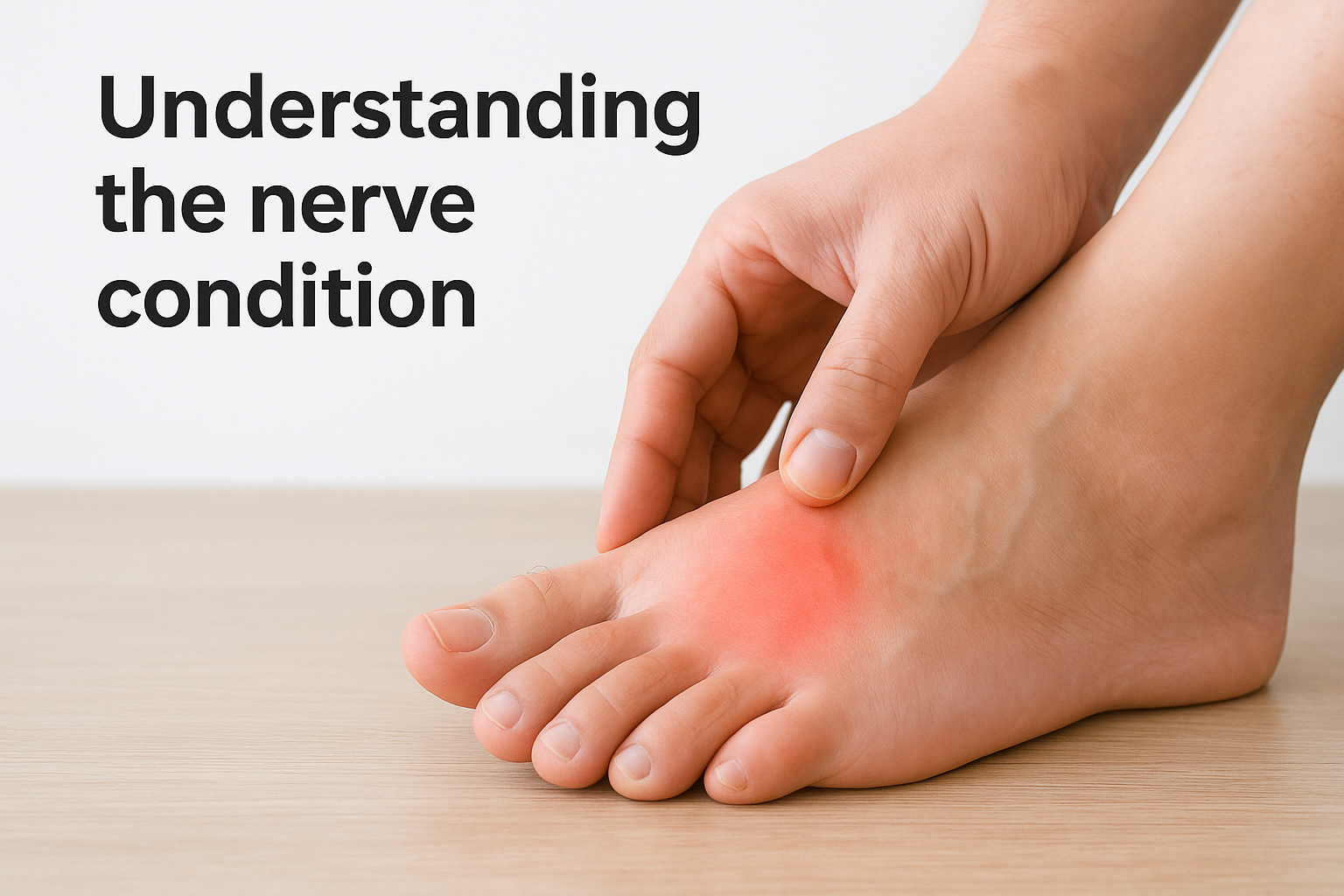
The condition most commonly affects the space between your third and fourth toes, though it can occur between other toes as well. Women develop Morton’s neuroma three to four times more often than men, largely due to footwear choices and foot structure differences.
Symptoms you might experience
The hallmark symptom is a sharp, burning pain in the ball of your foot that often radiates into your toes. You might describe it as feeling like you’re standing on a pebble in your shoe or walking on a folded sock. Many patients report that the pain intensifies when they wear certain shoes or during activities like running or walking.
Finding the best treatment for morton neuroma starts with recognizing these symptoms early, before the nerve damage becomes more severe.
Other common signs include numbness or tingling in your toes, especially the ones adjacent to the affected nerve. You might feel a clicking sensation when you walk or notice that your toes feel cramped together. Some people experience a feeling that something is inside the ball of their foot, even though nothing visible appears on the surface.
The symptoms typically worsen with activity and improve when you remove your shoes and massage your foot. You might find yourself stopping frequently during walks to remove your shoe and rub the painful area. If you notice these patterns, it’s time to see a podiatrist for proper evaluation and treatment.
Why it happens and what makes it worse
Morton’s neuroma develops when repeated stress and pressure compress the nerve running between your metatarsal bones. Your body responds to this irritation by forming extra tissue around the nerve, which paradoxically creates more pressure and pain. Understanding what triggers this condition helps you avoid activities and choices that worsen your symptoms.
Common causes and risk factors
Several factors increase your chances of developing this nerve condition. High-heeled shoes force your toes into the front of your shoe and add excessive pressure to the ball of your foot. Shoes with tight toe boxes compress your toes together, squeezing the nerve and surrounding tissue. This explains why women experience Morton’s neuroma far more frequently than men.
Certain foot structures make you more vulnerable. If you have flat feet, high arches, bunions, or hammertoes, your weight distribution changes and places abnormal stress on specific nerves. Athletes who participate in high-impact sports like running, tennis, or basketball repeatedly stress the ball of their foot, creating conditions for nerve compression.
Identifying what worsens your Morton’s neuroma is just as crucial as finding the best treatment for morton neuroma, since avoiding triggers prevents further nerve damage.
Activities and footwear that aggravate symptoms
Your daily choices directly affect symptom severity. Walking or running on hard surfaces intensifies pressure on the affected nerve. Standing for extended periods, especially in inappropriate footwear, compounds the problem. You might notice pain increases during activities that require you to push off the ball of your foot, like climbing stairs or doing calf raises.
Footwear remains the biggest modifiable factor. Any shoe that crowds your toes or has a heel higher than two inches will aggravate your condition. Even flat shoes can cause problems if they lack adequate cushioning or arch support.
How a podiatrist confirms the diagnosis
Your podiatrist uses multiple diagnostic methods to confirm Morton’s neuroma and rule out other conditions with similar symptoms. The evaluation begins with a detailed discussion about when your pain started, what makes it worse, and which shoes trigger discomfort. This conversation helps pinpoint the exact location and nature of your nerve problem before any physical examination.
Physical examination techniques
During the physical exam, your podiatrist will press on different areas of your foot to locate the precise spot causing pain. They’ll squeeze the sides of your foot together, which often reproduces the burning sensation if Morton’s neuroma is present. You might hear or feel a distinctive clicking sound called Mulder’s sign, which occurs when the thickened nerve tissue moves between your metatarsal bones.
Your doctor will also check your foot structure and gait pattern to identify contributing factors. They’ll examine whether you have flat feet, high arches, or other deformities that increase pressure on specific nerves. Testing your sensation and comparing it between toes helps determine if nerve compression has caused numbness or altered feeling.
Accurate diagnosis is essential before pursuing the best treatment for morton neuroma, since several conditions mimic its symptoms but require different approaches.
Imaging and additional tests
Most cases don’t require imaging, but your podiatrist might order ultrasound or MRI scans if your symptoms are unclear or treatment hasn’t worked. Ultrasound shows the thickened nerve tissue and rules out other problems like stress fractures or cysts. MRI provides more detailed images but costs more and isn’t always necessary.
X-rays won’t show the neuroma itself since nerve tissue doesn’t appear on standard radiographs. However, your doctor might take X-rays to exclude bone problems or arthritis that could explain your pain.
Best nonsurgical treatments to start with
Most patients find relief through conservative treatments before ever needing more invasive options. Your podiatrist will typically recommend starting with these approaches since they address the underlying causes of nerve compression and often eliminate symptoms completely. The best treatment for morton neuroma in early stages focuses on removing pressure from the affected nerve and allowing inflammation to decrease naturally.
Footwear modifications and orthotics
Changing your shoes makes an immediate difference in symptom severity. You need footwear with a wide toe box that doesn’t squeeze your toes together, low heels (under two inches), and adequate cushioning in the ball of your foot. Athletic shoes with proper support work better than fashion footwear for daily activities.
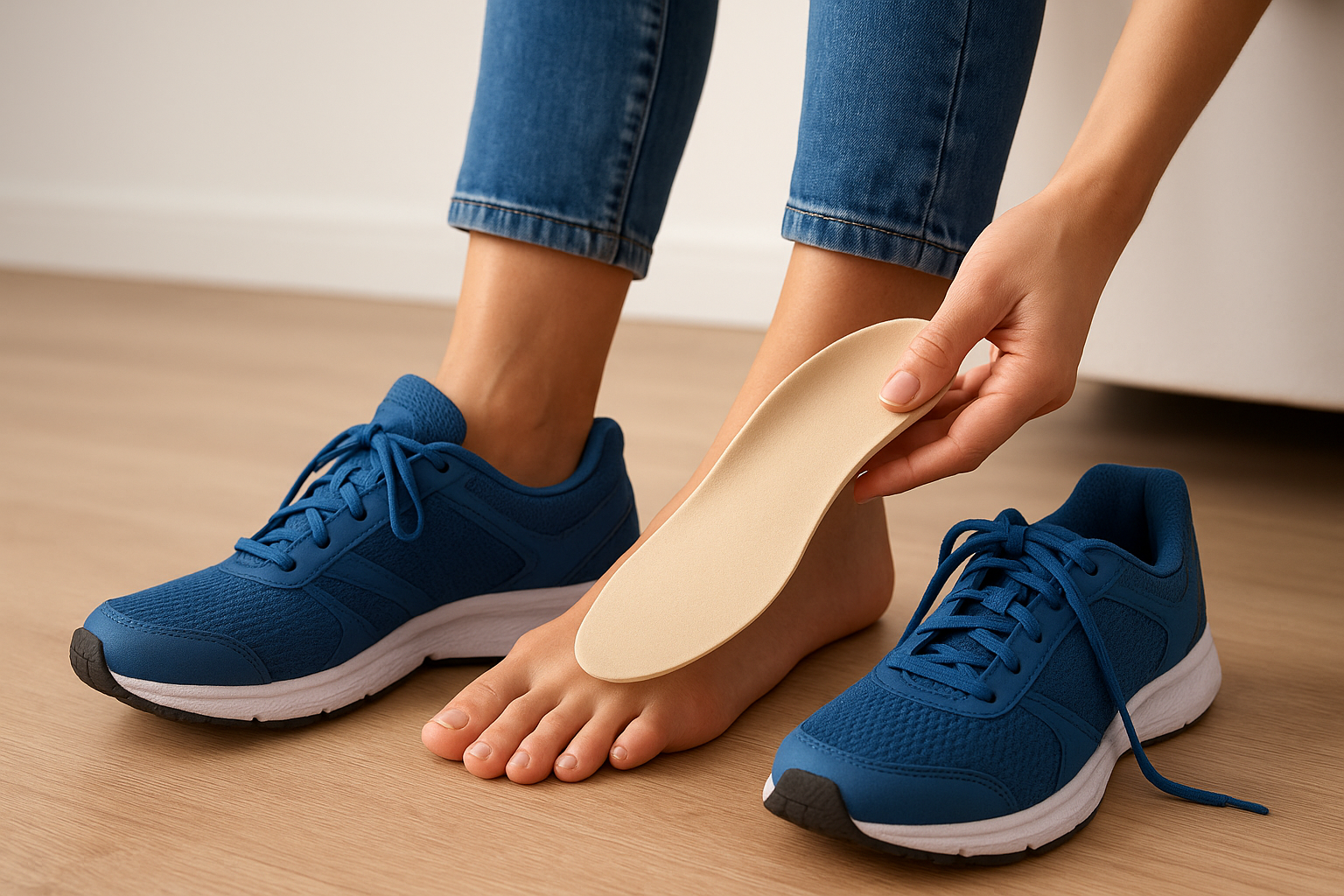
Custom orthotics redistribute pressure away from the neuroma by supporting your arch and correcting biomechanical issues that contribute to nerve compression. Your podiatrist can prescribe orthotics specifically designed to relieve stress on the affected area. Over-the-counter arch supports sometimes help, but custom devices provide better results for moderate to severe cases.
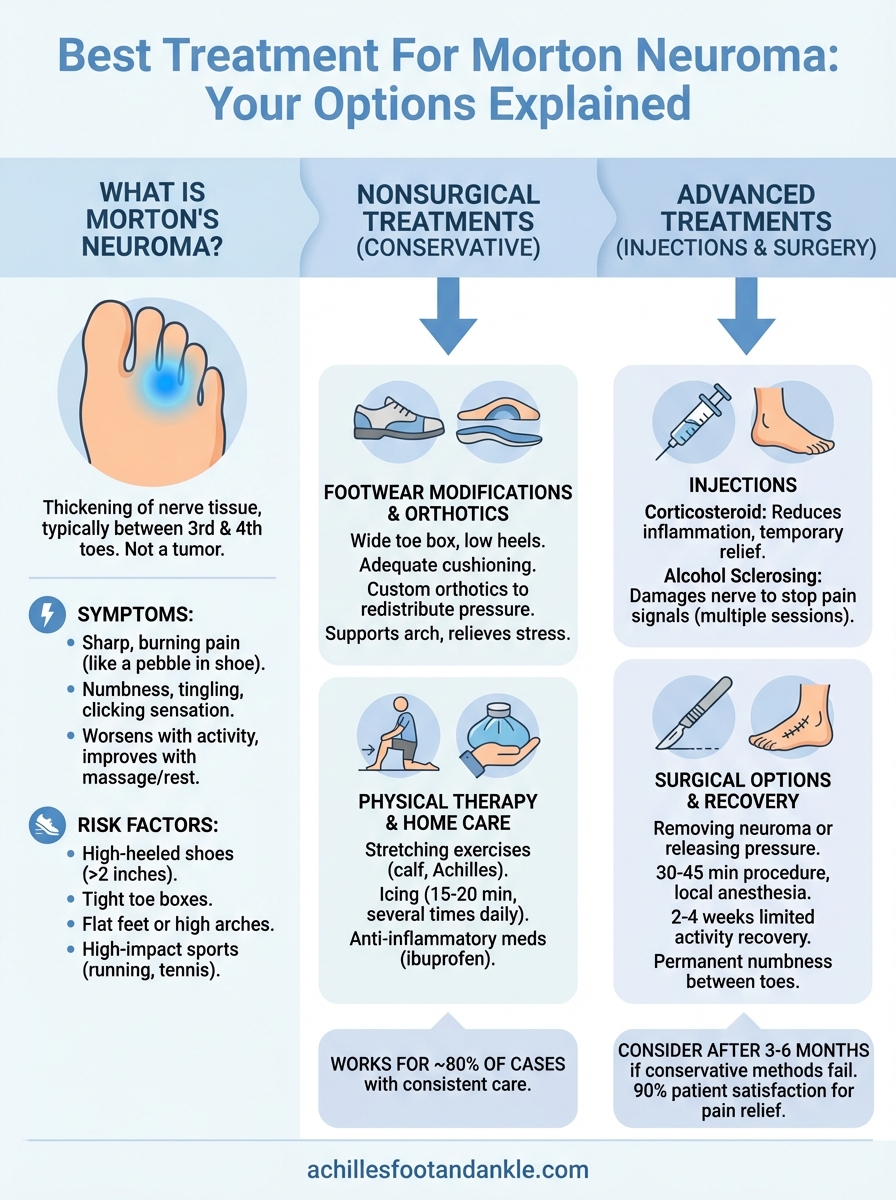
Conservative treatments succeed in roughly 80% of Morton’s neuroma cases when patients consistently follow their podiatrist’s recommendations and make necessary lifestyle changes.
Physical therapy and exercises
Stretching exercises reduce tension in your calf muscles and Achilles tendon, which indirectly decreases pressure on the ball of your foot. Your physical therapist will teach you specific movements that improve foot mechanics and strengthen supporting muscles.
Icing the painful area for 15-20 minutes several times daily helps control inflammation around the nerve. Anti-inflammatory medications like ibuprofen also reduce swelling, though you should consult your doctor before starting any medication regimen.
When to consider injections or surgery
When conservative treatments don’t provide adequate relief after three to six months, your podiatrist will discuss more aggressive options. You should consider advanced interventions if pain significantly limits your daily activities, prevents you from working, or forces you to avoid exercise and social events. The decision depends on how much the neuroma affects your quality of life and whether you’ve consistently tried non-surgical approaches.
Corticosteroid and alcohol injections
Corticosteroid injections deliver powerful anti-inflammatory medication directly to the affected nerve, reducing swelling and pain. Your podiatrist performs this in-office procedure that takes just minutes, and you can walk immediately afterward. Most patients experience relief within a few days, though the effect may be temporary.
Alcohol sclerosing injections work differently by deliberately damaging the nerve tissue to stop pain signals. You’ll typically need three to seven injections spaced a few weeks apart. This treatment shows higher success rates than steroids for long-term relief but requires more appointments and commitment.
If injections fail to provide lasting relief or your symptoms return repeatedly, surgery becomes the most effective option for achieving the best treatment for morton neuroma.
Surgical options and recovery
Surgery involves removing the neuroma or releasing pressure around the nerve. Your surgeon makes a small incision on top of your foot or between your toes to access the affected area. The procedure takes 30 to 45 minutes under local anesthesia, and you’ll walk out the same day wearing a surgical shoe.
Recovery requires two to four weeks of limited activity before returning to normal footwear. You’ll experience some numbness between the affected toes permanently, but 90% of surgical patients report satisfaction with pain relief. Surgery works best when other treatments have failed and you’re committed to following post-operative instructions.
A clear path forward
Finding the best treatment for morton neuroma starts with early intervention and consistent care. You’ve learned that conservative approaches like proper footwear and orthotics work for most patients, while injections and surgery remain effective options when symptoms persist. The key is not waiting until pain becomes unbearable before seeking professional evaluation.
Your treatment plan should progress logically, starting with simple modifications and advancing to more intensive interventions only when necessary. Most patients avoid surgery entirely by addressing their condition early and following their podiatrist’s recommendations consistently. Success depends on your commitment to lifestyle changes and working closely with experienced specialists who understand foot and ankle conditions.
At Achilles Foot and Ankle Center, we guide Central Virginia patients through every treatment stage, from initial diagnosis to complete recovery. Our team evaluates your specific situation and creates a personalized plan that gets you back to pain-free walking. Schedule a same-day appointment to start addressing your foot pain today.