

Charcot foot can quietly weaken and collapse the bones in your foot, often without much pain to warn you. For patients managing this condition, the right support device makes a significant difference in preventing further damage. A CROW boot for Charcot foot, short for Charcot Restraint Orthotic Walker, is one of the most effective tools available: a custom-molded brace that protects and stabilizes your foot during healing and long-term maintenance.
At Achilles Foot and Ankle Center, our specialists regularly fit patients with CROW boots as part of comprehensive diabetic foot care across our Central Virginia locations. We hear the same questions often: How does this device actually work? What happens during the fitting process? How long will you need to wear it?
Below, we break down the mechanics of CROW boot therapy, what to expect during your fitting, and practical guidance for daily wear. Whether you’re newly diagnosed or transitioning from a total contact cast, this information will help you understand your treatment path forward.
What a CROW boot is and how it works
A CROW boot for Charcot foot is a custom-molded orthotic device that extends from your toes to just below your knee. Unlike off-the-shelf walking boots, this specialized brace is built specifically from a cast or scan of your foot and lower leg. The device creates a protective shell that redistributes pressure away from vulnerable areas while maintaining your foot in a corrected position.
The construction and materials
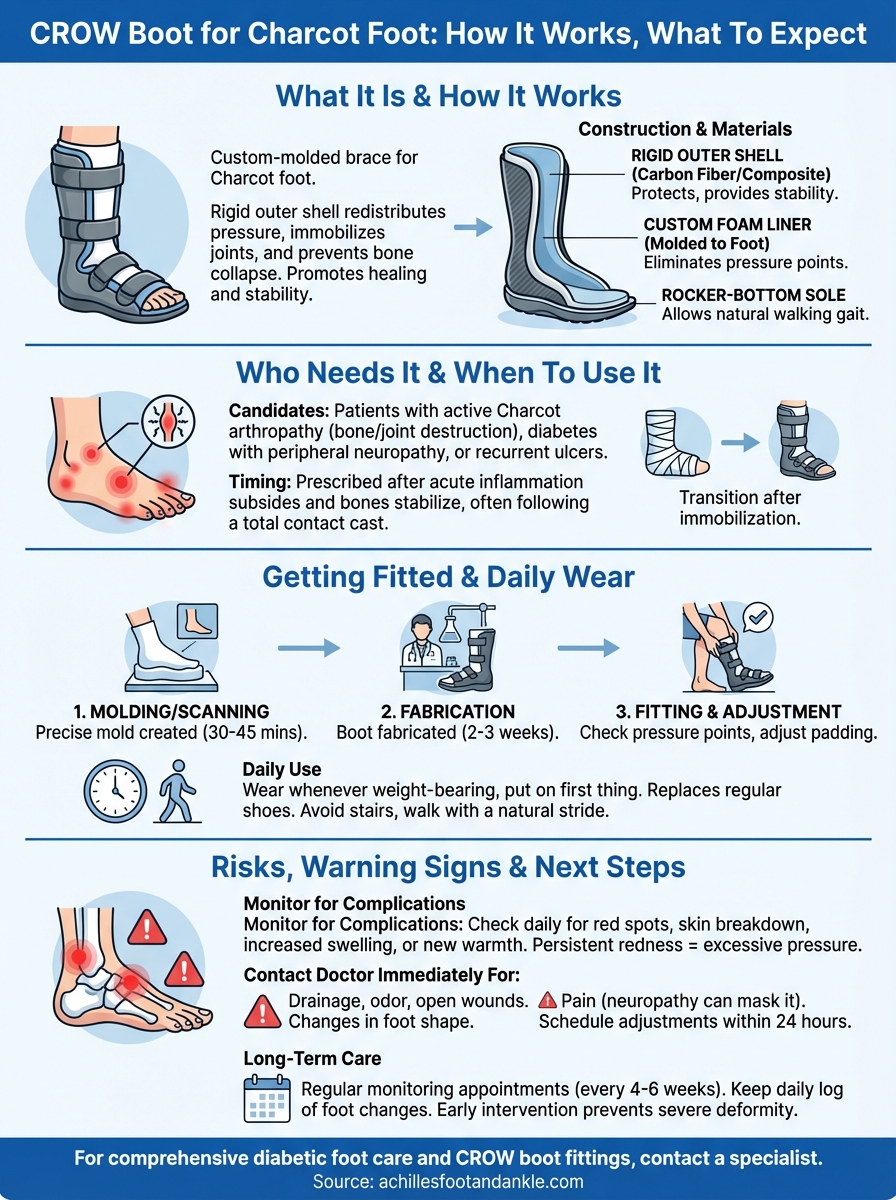
Your CROW boot features a rigid external shell made from carbon fiber or similar durable composites. Inside, a custom foam liner molds precisely to your foot’s contours, eliminating pressure points that could cause ulcers or further bone damage. The boot typically includes a rocker-bottom sole that allows you to walk with a more natural gait pattern while keeping stress off damaged joints.
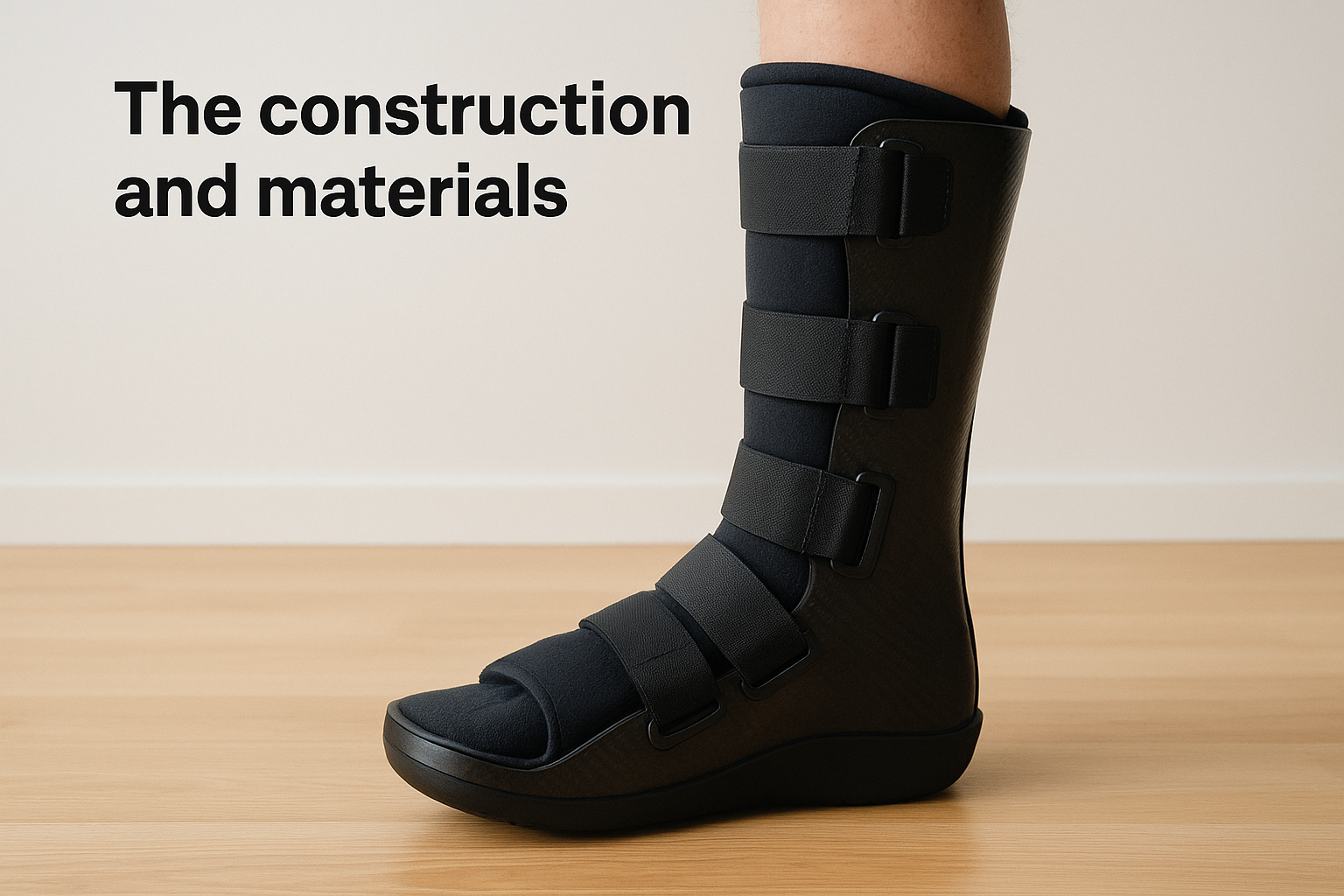
A properly fitted CROW boot transfers force from weakened bones to stronger structures in your leg, preventing the foot collapse that defines Charcot arthropathy.
How the device protects your foot
The boot works by immobilizing unstable joints while distributing your body weight across a larger surface area. When you step down, pressure spreads through the rigid shell and padded interior rather than concentrating on collapsed arches or fractured bones. This mechanical offloading gives damaged tissue time to heal and prevents further deformity progression. The ankle and midfoot remain secured in optimal alignment, which stops the destructive cycle of repeated microtrauma that worsens Charcot foot over time.
Who needs a CROW boot and when to use it
Your doctor typically prescribes a CROW boot for Charcot foot when you have active bone and joint destruction in your foot or ankle, particularly if you have diabetes with peripheral neuropathy. The device becomes necessary when standard footwear or even prefabricated boots cannot provide adequate protection for your compromised foot structure. Most patients transition to this custom orthotic after completing an initial immobilization phase in a total contact cast or after surgical reconstruction.
Candidates for CROW boot therapy
You qualify for CROW boot treatment if diagnostic imaging shows Charcot arthropathy affecting weight-bearing joints in your midfoot, hindfoot, or ankle. Patients with diabetes who have lost protective sensation represent the largest group requiring this device. Your podiatrist will also consider a CROW boot if you have recurrent ulcerations over bony prominences despite standard diabetic footwear, or if your foot shows progressive deformity that standard bracing cannot control.
The CROW boot bridges the gap between acute casting and long-term diabetic footwear for patients whose foot structure requires more support than shoes alone can provide.
Timing considerations
Doctors prescribe the boot after your acute Charcot inflammation subsides, typically when skin temperature differences between feet drop below 2 degrees Celsius and swelling stabilizes. You transition from casting to the CROW boot once serial X-rays confirm your bones have stopped shifting.
Getting fitted and what the boot includes
Your podiatrist schedules a custom fitting appointment after confirming your foot has stabilized enough for CROW boot therapy. The entire process requires multiple visits spread over several weeks, starting with detailed measurements and ending with final adjustments. During your initial appointment, the specialist creates a precise mold of your foot and lower leg using either traditional plaster casting or digital scanning technology.
The fitting appointment process
The practitioner positions your foot in the optimal corrected alignment before applying casting material or scanning. This step takes approximately 30 to 45 minutes as the specialist ensures every contour captures accurately. Your doctor sends this mold to an orthotics laboratory, where technicians fabricate your custom CROW boot for Charcot foot over the following two to three weeks. When your device arrives, you return for a fitting session where the practitioner checks pressure points, adjusts the padding, and confirms proper alignment before you begin wearing it.
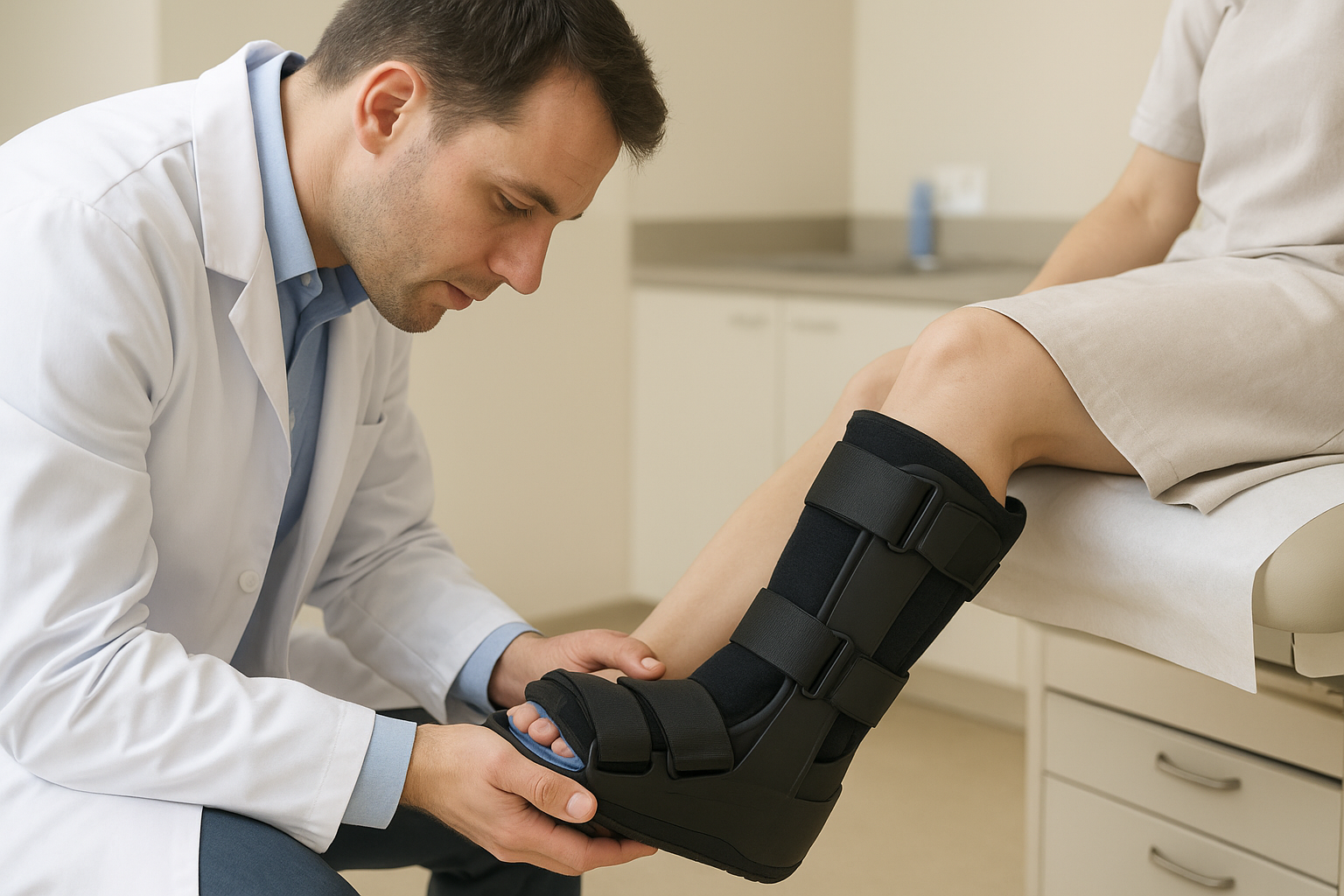
Standard components and features
Your completed boot includes the rigid outer shell, a removable custom foam liner, and a rocker-bottom sole that promotes natural walking mechanics. Most devices come with replaceable padding for high-wear areas and adjustable straps that secure the boot at multiple points along your leg. The package typically includes care instructions, contact information for adjustments, and a schedule for follow-up appointments to monitor your progress.
Proper initial fitting prevents complications like pressure ulcers and ensures the boot provides maximum protection for your compromised foot structure.
How to wear a CROW boot day to day
Your daily routine changes significantly once you begin wearing a CROW boot for Charcot foot, but most patients adapt within the first week. You need to wear the device whenever you bear weight on the affected foot, which means putting it on first thing in the morning and keeping it secure throughout the day. The boot protects your foot during all standing and walking activities, replacing your regular shoes for the duration of your treatment period.
Putting on and removing the boot
Start by sitting in a stable chair with good back support before attempting to don the device. Pull on the custom liner first, ensuring it sits flush against your skin without wrinkles or folds that could create pressure points. Slide your foot into the rigid outer shell, then secure the straps from bottom to top, tightening them enough to prevent movement without cutting off circulation. Remove the boot only when you sit or lie down for extended periods, following your doctor’s specific instructions about allowable weight-bearing without the device.
Managing daily activities
The rocker-bottom sole allows you to walk with a relatively normal stride pattern, though you will move more slowly than usual. Avoid stairs whenever possible, using elevators or ramps instead to reduce stress on your healing foot. Keep your boot clean by wiping the exterior with a damp cloth daily and washing the removable liner according to the manufacturer’s instructions.
Regular wear compliance determines whether your CROW boot successfully prevents further Charcot foot progression and ulcer formation.
Risks, warning signs, and next steps
Your CROW boot for Charcot foot provides significant protection, but you still face potential complications that require close monitoring. The device itself can cause problems if it does not fit properly or if you develop changes in your foot shape over time. Pressure ulcers represent the most common complication, typically forming where the boot rubs against bony prominences or where the liner bunches against your skin.
Potential complications to monitor
Watch for red spots or skin breakdown inside the boot, particularly after removing it at night. Check your entire foot and lower leg daily using a mirror to see the bottom and back of your ankle. Persistent redness that does not fade within 30 minutes after removing the boot signals excessive pressure that needs immediate adjustment. Increased swelling or new areas of warmth compared to your other foot may indicate your Charcot condition has progressed despite wearing the device.
Any skin breakdown, no matter how minor, can rapidly develop into a serious infection in patients with diabetes and neuropathy.
When to contact your doctor
Call your podiatrist immediately if you notice drainage, odor, or open wounds anywhere on your foot or leg. Schedule an adjustment appointment within 24 hours if you experience pain in the boot, which your neuropathy might mask until damage occurs. Return for routine follow-up visits every four to six weeks so your specialist can assess your foot structure and modify the boot as your condition evolves.
What to do next
Your CROW boot for Charcot foot represents a commitment to long-term foot health that extends beyond simply wearing the device. Schedule regular monitoring appointments with your podiatrist every four to six weeks to track your foot’s stability and ensure the boot continues fitting properly as your tissues heal. Keep a daily log of any skin changes, increased swelling, or discomfort you notice, which helps your doctor make timely adjustments to your treatment plan.
If you have not yet received a diagnosis but experience numbness in your feet along with unexplained swelling or shape changes, contact a foot specialist immediately. Early intervention prevents the severe deformities that require intensive treatment. Our team at Achilles Foot and Ankle Center provides comprehensive diabetic foot care across Central Virginia, including CROW boot fittings and ongoing management. Schedule a same-day appointment to discuss your foot health concerns and determine the best protective strategy for your situation.





[…] to heal in a functional position. Your foot care team will typically use a total contact cast or specialized boot to eliminate all weight-bearing forces while the acute phase settles over three to six months. […]