
Your joints take a beating every single day. Walking to your car, climbing stairs, standing at work, exercising at the gym. Each step puts pressure on your ankles, knees, and hips. Over time, that wear adds up. You might notice stiffness when you wake up, pain after a long day, or trouble doing activities you used to love. The good news is that joint health is not something you just watch decline. You can take action to protect your joints, reduce discomfort, and keep moving.
This article shares five practical strategies backed by podiatrists who treat joint issues every day. You’ll learn why expert foot and ankle care matters, which exercises protect rather than damage your joints, how to build strength that supports healthy movement, what to look for in shoes and orthotics, and which daily habits either help or hurt your joints. These tips work whether you’re dealing with early stiffness or managing chronic pain. Small changes add up to real improvements in how your joints feel and function.
1. Get expert foot and ankle care from a podiatrist
Your feet and ankles contain 33 joints each that work constantly to support your body weight and enable movement. A podiatrist provides specialized expertise in lower extremity biomechanics that general practitioners cannot match. These specialists diagnose joint problems early and create effective treatment plans based on years of focused training.
Why podiatrist led care matters for joint health
Podiatrists identify structural imbalances and gait abnormalities before symptoms become severe. Early intervention prevents minor issues from developing into chronic conditions. A podiatrist understands how foot problems affect your ankles, knees, and hips. They spot warning signs of arthritis, tendinitis, or cartilage damage you might dismiss as normal aging.
What happens during a joint focused foot and ankle exam
During evaluation, your podiatrist watches you walk and stand to assess joint function under real conditions. They test range of motion, check for swelling or tenderness, and may use imaging to see inside the joint. This thorough evaluation reveals root causes rather than just treating symptoms.
Getting an accurate diagnosis is the first step in learning how to improve joint health effectively.
Common treatments your podiatrist may suggest
Treatment options include custom orthotics that redistribute pressure, physical therapy exercises designed for your foot structure, anti-inflammatory medications or injections, bracing to stabilize joints, and surgical correction for severe cases.
Symptoms that mean you should not wait to get care
Seek immediate evaluation if you experience joint pain lasting more than two weeks, sudden swelling or warmth, inability to bear weight, visible deformity, or pain that disrupts sleep or daily activities.
2. Keep joints moving with low impact exercise
Movement keeps your joints healthy by pumping nutrients into cartilage and flushing out waste products. Cartilage has no blood supply, so it relies entirely on joint motion to stay nourished. When you stop moving, cartilage breaks down faster and joints stiffen. Regular low impact exercise is one of the most effective ways how to improve joint health without causing additional damage.
How regular movement keeps joints lubricated
Your joints produce synovial fluid that acts as natural lubrication during movement. Exercise stimulates production of this fluid and distributes it throughout the joint space. When you remain sedentary, fluid production decreases and existing fluid becomes thicker. This creates friction between bones and accelerates wear. Moving daily keeps joints slick and responsive.
Consistent movement is medicine for your joints, not something to avoid when they feel stiff.
Low impact activities that are easy on feet and ankles
Swimming and water aerobics offer resistance without impact since water supports your body weight. Walking on flat, even surfaces provides gentle joint movement without the pounding of running. Cycling and elliptical machines eliminate the repetitive striking force that stresses ankle and foot joints. Yoga flows improve mobility while strengthening stabilizing muscles around each joint.
Stretching and range of motion ideas for busy days
Ankle circles, toe spreads, and calf stretches take less than five minutes and work at your desk. Point and flex your feet repeatedly to maintain ankle joint flexibility. Rolling your foot over a tennis ball massages tissue and encourages synovial fluid movement. These micro-sessions throughout your day prevent the stiffness that builds during long periods of sitting.
How to adjust exercise when joints are already painful
Reduce intensity rather than stopping completely when joints hurt. Shorter, more frequent sessions maintain joint health without overloading inflamed tissue. Warm up longer and move slower during painful periods. Switch to non-weight bearing activities like swimming if standing exercises aggravate symptoms. Pain that worsens during activity signals you need to modify your approach or consult your podiatrist.
3. Build strength and flexibility around joints
Weak muscles force your joints to absorb more impact and stress with every movement. Strong muscles surrounding a joint act as shock absorbers that reduce the load on cartilage and bone. Building this muscular support is a proven strategy for how to improve joint health and prevent future damage. Flexibility keeps joints moving through their full range without restriction or compensation patterns that cause pain.
How strong muscles protect your joints
Your muscles stabilize joints during movement and distribute forces across a larger area instead of concentrating stress in one spot. When muscles are weak, joints become unstable and more vulnerable to injury. Strength training also increases bone density, which supports overall joint structure and reduces fracture risk as you age.
Simple strengthening moves for feet, ankles, and legs
Calf raises strengthen muscles that support your ankle joint during walking and standing. Toe curls with a towel build the small intrinsic muscles in your feet that maintain arch stability. Resistance band exercises for ankle flexion and extension target muscles in all directions around the joint. Heel walks and toe walks challenge balance while strengthening the entire lower leg.
Building strength in muscles around your joints creates a protective buffer against everyday wear.
Gentle flexibility work to prevent stiffness
Static stretches held for 30 seconds after activity lengthen muscles without triggering protective tension. Ankle alphabet exercises move joints through multiple planes of motion to maintain flexibility. Gentle yoga poses like downward dog stretch your calves, Achilles tendons, and plantar fascia simultaneously while improving joint mobility.
When to ask for a referral to physical therapy
Request physical therapy if you experience persistent joint instability, cannot perform basic strengthening exercises without pain, or notice your range of motion decreasing despite home efforts. A physical therapist designs individualized programs that address your specific joint mechanics and movement patterns.
4. Choose footwear and support that protect joints
Your shoes determine how forces travel through your feet and into your ankle joints with every step. Poorly fitted or unsupportive footwear creates abnormal stress patterns that accelerate joint breakdown. The right shoes distribute pressure evenly, maintain proper alignment, and cushion impact. Understanding what to look for in footwear is essential for how to improve joint health through everyday choices.
Features to look for in joint friendly shoes
Quality shoes provide firm heel counters that prevent excessive ankle rolling and adequate cushioning in the midsole to absorb shock. Arch support matched to your foot type keeps your biomechanics aligned and reduces compensatory stress on ankle joints. Look for flexible forefoot areas that allow natural toe movement and roomy toe boxes that prevent cramping. Lightweight construction reduces the energy your joints expend with each step.
When custom orthotics or braces make sense
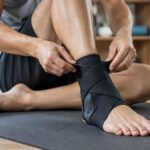
Custom orthotics correct structural imbalances that standard insoles cannot address. Your podiatrist prescribes these when you have flat feet, high arches, or specific gait abnormalities causing joint pain. Ankle braces provide additional stability for weakened or previously injured joints during high demand activities.
Custom orthotic devices realign your foot mechanics to reduce damaging stress on joints throughout your lower body.
Shoe tips for work, workouts, and special occasions
Choose athletic shoes designed for your specific activity rather than multipurpose sneakers for workouts. Work shoes should prioritize comfort and support over style when you stand for long periods. Reserve dress shoes with minimal support for short durations and bring supportive alternatives for extended wear.
Footwear mistakes that quietly stress your joints
Wearing shoes past their functional lifespan allows worn cushioning and collapsed support structures to misalign your joints. High heels shift your weight forward and increase ankle joint pressure exponentially. Walking barefoot on hard surfaces eliminates shock absorption your joints need for protection.
5. Improve daily habits that impact joint health
Your daily routines either support or sabotage your joints without you realizing it. Small habit changes create significant improvements in joint comfort and longevity over time. Understanding how to improve joint health through lifestyle adjustments gives you control over factors that medications and therapy cannot address alone. These modifications work alongside professional treatment to maximize your results and prevent future problems.
How body weight changes joint load
Extra pounds multiply the force your joints absorb with each step. Every additional pound adds four pounds of pressure to your knees and similar stress to your ankles. Losing even ten pounds reduces joint load substantially and slows cartilage breakdown. Weight management is not about appearance but about reducing the mechanical burden that wears down joint structures over decades.
Foods and nutrients that support joint tissue
Omega-3 fatty acids from fish reduce inflammation that damages joint cartilage. Vitamin D and calcium strengthen bones that support your joints. Colorful vegetables provide antioxidants that protect joint tissue from oxidative stress. Stay hydrated since water is essential for maintaining synovial fluid viscosity and joint lubrication.
Everyday posture and ergonomics to reduce strain
Standing or sitting with proper alignment distributes weight evenly across all joints instead of overloading specific areas. Adjust your workstation so screens sit at eye level and feet rest flat on the floor. Take movement breaks every 30 minutes to prevent joints from stiffening in one position.
Lifestyle habits that increase inflammation and pain
Smoking restricts blood flow that joints need for healing and increases systemic inflammation. Excessive alcohol consumption triggers inflammatory responses throughout your body including joint tissues. Poor sleep quality prevents your body from completing essential repair processes that maintain joint health overnight.
Moving forward
You now have five concrete strategies for how to improve joint health that work together to reduce pain and maintain mobility. Start with one or two changes that fit naturally into your routine, then build from there. Small consistent actions produce better results than trying to overhaul everything at once.
Joint health requires ongoing attention, not just reactive treatment when pain appears. Regular podiatrist visits catch problems early, daily movement keeps cartilage nourished, strength work protects vulnerable structures, proper footwear prevents unnecessary stress, and smart lifestyle choices reduce inflammation. Each element supports the others to create lasting improvement.
Schedule an appointment at Achilles Foot and Ankle Center to get expert evaluation and personalized recommendations for your specific joint concerns. Our team helps you create a practical plan that fits your lifestyle and addresses the root causes affecting your feet, ankles, and overall lower body joint health.