Turf toe is a sprain of your big toe joint. It happens when your toe bends too far backward, stretching or tearing the soft tissues, ligaments, and tendons that keep the joint stable. Athletes who play on artificial turf get this injury often, especially football and soccer players, but anyone can develop it from activities that stress the big toe. You might experience sudden pain after pushing off hard during a sprint, or symptoms might build up gradually from repeated stress.
This article breaks down everything you need to know about turf toe. You’ll learn how to spot the symptoms, understand the three grades of injury severity, and discover which treatments work best for your situation. We’ll also cover realistic recovery timelines, potential complications if left untreated, and practical ways to prevent future injuries. Whether you felt a pop during your last game or you’ve noticed increasing stiffness in your big toe, this guide helps you figure out what’s happening and what to do next.
Why turf toe matters for your big toe joint
Your big toe’s metatarsophalangeal (MTP) joint carries up to 50% of your body weight every time you walk or run. This joint connects the long bone of your foot to your big toe, surrounded by the plantar plate complex, a network of ligaments, tendons, and two small sesamoid bones that stabilize everything when you push off the ground. Without this joint working properly, simple movements become painful or impossible.
The joint powers your movement
Every step you take relies on your big toe joint as the final push-off point for your entire body. When you walk, sprint, or jump, this joint bends and extends to propel you forward. Athletes especially depend on this joint, which explains why football players, soccer players, and dancers develop turf toe more frequently than other groups. The joint needs both flexibility to bend and strength to handle intense forces during rapid direction changes.
Injury creates lasting problems
Understanding what is turf toe symptoms helps you recognize how this injury affects more than just your toe. Damage to the plantar plate complex creates instability in the joint, making it hard to push off properly. Simple activities like walking up stairs or standing on tiptoes become difficult. Left untreated, the injury can lead to chronic stiffness, arthritis, or permanent deformity.
A single turf toe injury can compromise the stability your big toe needs for normal walking and athletic performance.
How to recognize turf toe symptoms
Learning what is turf toe symptoms helps you act quickly before a minor injury becomes a major problem. The signs depend on whether your injury happened suddenly or developed gradually over time. Most people notice pain at the base of the big toe, but the full picture includes swelling, bruising, stiffness, and trouble putting weight on your foot.
The most common signs
Your big toe joint will feel tender when you touch it, especially on the bottom where the plantar plate sits. Swelling usually appears within hours of the injury, and you might see bruising spread across the bottom of your foot or around your toe. The joint often feels stiff or weak, making it hard to bend your toe downward or push off the ground normally. You’ll notice the pain gets worse when you try to walk, run, or stand on your toes.
When symptoms appear gradually
Repetitive stress injuries show up differently than sudden trauma. You might feel mild discomfort after activity that goes away with rest, then returns stronger the next time. The toe gradually becomes stiffer over several weeks, and you start compensating by changing how you walk. Athletes often ignore these early warnings until the pain becomes impossible to play through.
Red flags that need immediate attention
Some symptoms signal serious damage that needs professional evaluation right away. If you heard or felt a pop when the injury happened, you likely tore ligaments completely. Your toe might look out of place or dislocated, pointing at an odd angle compared to your other toes. Severe swelling and bruising that spreads quickly across your foot indicates major tissue damage.
Severe pain that prevents you from bearing weight on your foot requires immediate medical attention, not just rest and ice.
Contact a foot specialist if your symptoms don’t improve within a few days of home treatment, or if walking remains extremely painful despite rest.
Turf toe grades and injury severity
Doctors classify turf toe injuries into three grades based on how much damage occurred to your plantar plate complex. The grading system helps determine which treatment approach works best and how long your recovery will take. Understanding what is turf toe symptoms at each grade helps you set realistic expectations for healing and know when you need surgery versus simple rest.
Grade 1: Mild stretch injuries
Your soft tissues stretched but didn’t tear at this level. You’ll notice mild pain and tenderness when touching the bottom of your big toe, with minimal swelling and no visible bruising. The joint still moves relatively normally, though you might feel slight discomfort when pushing off. Most athletes can continue playing with modifications like taping or stiff-soled shoes, though taking a few days off prevents the injury from worsening.
Grade 2: Partial tears
Partial tearing creates moderate to severe pain that makes walking uncomfortable and running nearly impossible. You’ll see obvious swelling and bruising spread across the bottom of your foot, and the joint feels noticeably looser or weaker than before. Your toe’s range of motion becomes limited, and putting your full weight on it causes sharp pain. This grade requires more serious intervention than just rest.
Grade 2 injuries demand proper immobilization to prevent progression to complete tears that might need surgery.
Grade 3: Complete ruptures
Complete tears of the plantar plate complex produce extreme pain and widespread bruising that extends across your entire foot. Your toe may appear dislocated or pointing at an abnormal angle, and you can’t bear weight on it at all. The joint feels completely unstable, as if your toe might slip out of place. Athletes with Grade 3 injuries often need surgical repair, especially if the sesamoid bones dislocated or other structures tore along with the ligaments.
Treatment options and home care for turf toe
Most turf toe injuries respond well to conservative treatment at home, especially Grade 1 and Grade 2 injuries that don’t involve complete tears. Your treatment plan depends on severity, but the basic approach focuses on reducing inflammation, protecting the joint, and gradually restoring strength. Knowing what is turf toe symptoms helps you match the right treatment to your specific injury grade, whether that means simple home care or professional medical intervention.
Immediate home care steps
Start with the RICE protocol the moment you notice symptoms. Rest your foot completely by avoiding any activities that stress your big toe, including walking when possible. Apply ice for 20 minutes every few hours during the first 48 hours to reduce swelling and numb the pain. Compress the area with an elastic bandage to control inflammation, and elevate your foot above heart level whenever you sit or lie down.
Over-the-counter medications like ibuprofen or naproxen reduce both pain and swelling effectively. Take these according to package directions, usually every 6 to 8 hours as needed. Avoid putting weight on your toe during the initial healing phase, which might mean using crutches for a few days if walking causes sharp pain.
When to use medical treatments
Your doctor may prescribe a walking boot or cast for Grade 2 injuries that need more immobilization than simple rest provides. These devices keep your toe completely still for 2 to 6 weeks, giving torn tissues time to heal without constant stress. Physical therapy becomes important once the initial pain subsides, with exercises that restore flexibility and strengthen supporting muscles around the joint.
Immobilization in a walking boot prevents partial tears from becoming complete ruptures that require surgical repair.
Grade 3 injuries sometimes need surgery to repair completely torn ligaments or reposition dislocated sesamoid bones. Surgeons reconstruct the plantar plate complex using various techniques depending on which structures sustained damage.
Stabilization and support methods
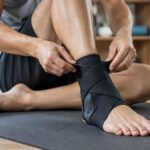
Athletic tape provides temporary stabilization when you first return to activities after healing. Your doctor or trainer can show you proper taping techniques that restrict backward bending while still allowing forward motion. Stiff-soled shoes or special orthotic inserts prevent excessive toe extension during walking and running, reducing your risk of reinjury.
Recovery time, complications, and prevention
Your recovery timeline depends heavily on injury severity and how quickly you start treatment. Grade 1 injuries typically heal within one to two weeks with proper rest, while Grade 2 injuries need two to six weeks before you can return to full activity. Grade 3 injuries require the longest recovery, often two to six months, especially if you need surgery. Athletes who rush back too soon risk turning a minor injury into a chronic problem that affects them for years.
Expected healing timelines
Grade 1 turf toe responds fastest to treatment, with most symptoms disappearing within seven to ten days if you rest properly. You can usually return to light activities after a week, gradually building back to full intensity. Grade 2 injuries need four to eight weeks in a walking boot or with aggressive taping before you attempt running or jumping. Surgery for Grade 3 injuries adds significant time, with full recovery taking four to six months as tissues heal and you complete physical therapy to restore strength.
Long-term complications from untreated injuries
Ignoring what is turf toe symptoms leads to serious problems that worsen over time. Your joint develops chronic stiffness and arthritis as damaged tissues never heal properly, making simple walking painful years later. The toe may develop hallux rigidus, a condition where the joint loses flexibility permanently and develops bone spurs. Some people experience lasting weakness in their push-off strength, which affects running speed and jumping ability for the rest of their athletic career.
Untreated turf toe injuries can permanently limit your big toe’s range of motion and lead to degenerative arthritis requiring surgical intervention later.
Prevention strategies
Wear shoes with stiff soles and proper arch support during any activity that involves quick direction changes or repeated toe-offs. Football and soccer players should avoid extremely flexible cleats that allow too much backward bending. Always warm up thoroughly before intense activity, as cold muscles and tendons tear more easily than warmed tissues. Athletes at high risk should consider using preventive taping or specialized inserts that restrict excessive toe extension while still allowing normal forward motion.
Next steps for your feet
Understanding what is turf toe symptoms puts you ahead of most people who ignore early warning signs until minor injuries become major problems. You now know the difference between injury grades, which treatments work best, and when home care stops being enough. The most important step involves acting quickly when symptoms appear, rather than waiting to see if they disappear on their own.
Start by evaluating your current symptoms honestly. If pain persists beyond a few days of rest and ice, or if you can’t bear weight comfortably on your toe, you need professional evaluation. The specialists at Achilles Foot and Ankle Center diagnose and treat sports injuries like turf toe, with same-day appointments available when you need urgent care. They’ll examine your toe, order imaging if necessary, and create a treatment plan that gets you back to your normal activities as quickly and safely as possible.