

If you have diabetes, your feet need daily attention that most people never think about. A small blister or ingrown toenail can turn into a serious wound before you even notice pain, because nerve damage often dulls the warning signs. That’s why so many patients search for a diabetic foot care education pdf they can keep on hand, print out, or share with family members who help with daily checks.
This guide gives you exactly that: a clear, step-by-step diabetic foot care patient handout you can follow at home, covering daily inspection, proper washing and drying, nail trimming, moisturizing, and choosing safe footwear. You’ll also find guidance on when redness, swelling, or drainage means it’s time to call a podiatrist instead of waiting it out.
At Achilles Foot and Ankle Center, we treat diabetic foot complications every week across our Central Virginia locations, and we’ve built our diabetic foot care handout pdf around the same instructions we give our own patients. Below, you’ll walk through each practice in plain language, so you can protect your feet, catch problems early, and know exactly when professional care makes the difference between a minor issue and a limb-threatening one.
Why daily foot care matters when you have diabetes
Diabetes changes how your body senses injury and heals wounds, which is why foot care can’t wait until something hurts. High blood sugar damages the small nerves in your feet over time, a condition called peripheral neuropathy, so you may not feel a pebble in your shoe, a blister forming, or a cut from stepping on something sharp. At the same time, diabetes narrows blood vessels and reduces poor circulation to your lower legs, slowing the healing process even after you notice a problem.
How nerve damage and poor circulation combine
This combination is dangerous because it hides the warning system your body normally relies on. According to the Centers for Disease Control and Prevention, people with diabetes are far more likely to develop foot ulcers, and untreated ulcers are a leading cause of lower-limb amputation. A wound that would heal in days for someone without diabetes can take weeks, and infection can spread before you ever feel pain.
If you can’t feel a problem starting, you have to look for it instead, every single day.
Why daily habits matter more than occasional checkups
Annual podiatry visits catch a lot, but daily habits catch what happens between appointments. Skipping a nightly inspection or wearing the wrong socks for even a week can let a small sore become a serious wound. Regular home care, paired with professional monitoring, gives you the best odds of avoiding a hospital stay or surgery down the road.
Step 1. Inspect your feet every day
Grab a few minutes each evening, before bed, to look over every inch of both feet. Check the tops, soles, heels, and especially between your toes, where moisture and pressure sores hide easily. Look for redness, swelling, cuts, blisters, cracked skin, or any drainage that wasn’t there yesterday. If you have trouble bending or seeing clearly, use a long-handled mirror or ask a family member to check for you, a step many patients skip but shouldn’t.
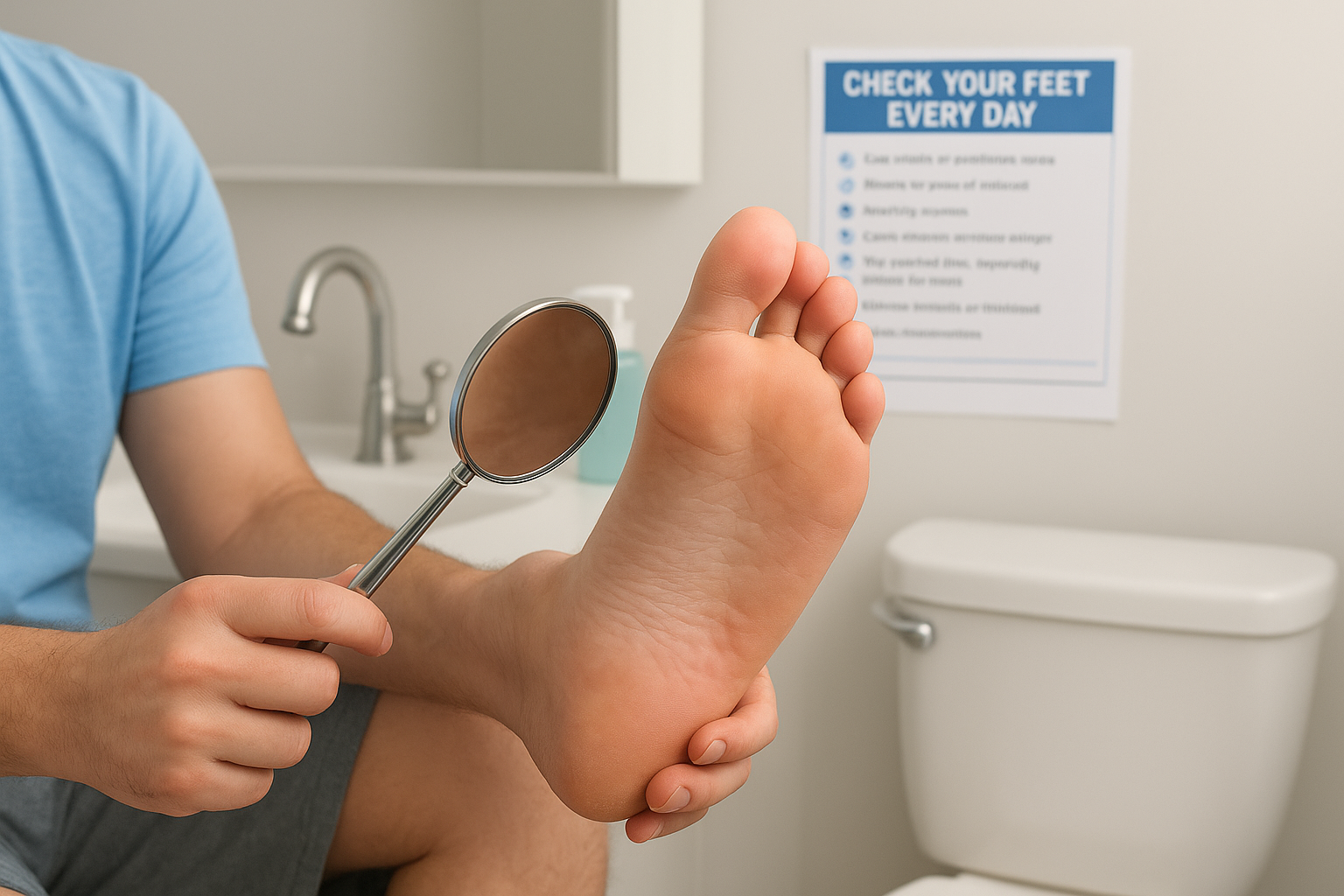
Catching a red spot on day one beats catching an open wound on day ten.
What to look for during your daily check
Keep this checklist near your mirror or bathroom sink so the habit sticks:
- Cuts, scrapes, or punctures, even tiny ones
- Blisters or areas of unusual redness
- Swelling, warmth, or color changes
- Dry, cracked skin, especially around the heels
- Ingrown toenails or thickened nail edges
- Any drainage, odor, or dark discoloration
Many patients keep a printed diabetic foot care patient education handout on the bathroom wall as a visual reminder of exactly what to check and how often. If you notice anything unusual that doesn’t improve within a day, don’t wait for your next scheduled appointment. Call your podiatrist right away, since early treatment almost always means a simpler fix.
Step 2. Wash, dry, and moisturize your feet
Wash your feet daily in lukewarm water, never hot, since neuropathy can prevent you from feeling water that’s actually scalding. Use a mild soap and a soft cloth, and skip the urge to soak for long periods, which can dry out or soften skin too much and invite infection.
Dry thoroughly, especially between the toes
Pat your feet dry with a clean towel rather than rubbing, and pay close attention to the spaces between your toes. Trapped moisture there breeds fungus and softens skin until it breaks down, creating an easy entry point for bacteria.
Damp skin between your toes is an open invitation for infection.
Moisturize the right way
Apply a fragrance-free lotion to the tops and bottoms of your feet every day to prevent the cracking that comes with diabetic dry skin. Skip the spaces between your toes when moisturizing, since extra moisture there works against you. A simple routine works best:
- Wash with lukewarm water and mild soap
- Dry completely, especially between toes
- Moisturize tops and soles, not between toes
- Check lotion for cracks or peeling skin daily
This three-minute habit, done consistently, prevents far more problems than any single doctor visit ever could.
Step 3. Trim toenails and manage calluses safely
Toenails grow slowly, but cutting them wrong can open a wound that takes months to heal. Trim nails straight across, never curved at the corners, and file any sharp edges smooth. Rounding the corners invites ingrown toenails, which become infected fast when circulation is already compromised.
Handling calluses and corns without cutting yourself
Resist the urge to use razor blades, scissors, or over-the-counter corn removers on thickened skin. These products contain acids that burn healthy tissue just as easily as callused skin, and a small mistake can become a deep sore overnight.
Never let a drugstore blade do a podiatrist’s job on diabetic skin.
When to let a professional handle it
Schedule regular nail and callus care with your podiatrist instead of doing it yourself at home. Consider professional trims if you notice:
- Thickened, yellowed, or hard-to-cut nails
- Calluses that keep returning despite proper footwear
- Numbness that makes it hard to feel the clippers
- Poor eyesight or limited flexibility reaching your feet
Outsourcing this one task prevents a huge share of the wounds we treat every week at our Central Virginia clinics.
Step 4. Protect your feet with proper footwear and blood sugar control
Good footwear does half the work of preventing diabetic wounds before you ever leave the house. Choose well-fitted shoes with a wide toe box, cushioned soles, and no seams that rub against pressure points. Never walk barefoot, even at home, since stepping on a dropped pin or a piece of glass can go unnoticed until infection sets in.
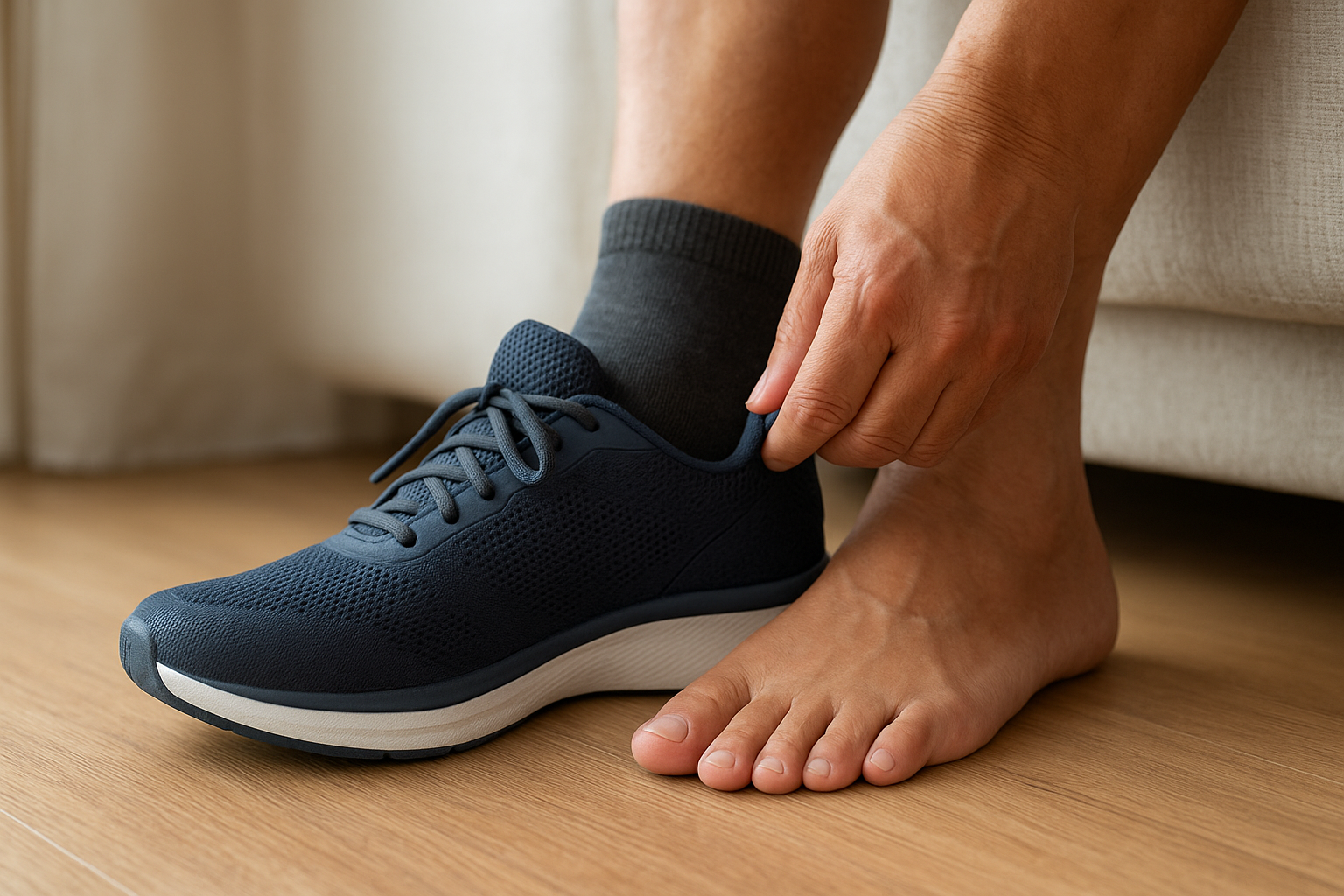
Choosing the right shoes and socks
Swap cotton socks for moisture-wicking, seamless diabetic socks that reduce friction and keep feet dry throughout the day. Break in new shoes gradually, wearing them an hour at a time, and inspect the inside of every shoe before putting it on for pebbles or rough spots.
The shoes that feel fine today can hide the friction that causes tomorrow’s ulcer.
Managing blood sugar to support healing
Stable blood sugar control keeps nerves and blood vessels healthier over time, which directly improves your feet’s ability to fight infection and heal wounds quickly. According to the American Diabetes Association, consistently managed glucose levels lower your risk of neuropathy and circulation problems that lead to amputation. Pair steady blood sugar with your daily foot checks, and you’re covering both sides of prevention.
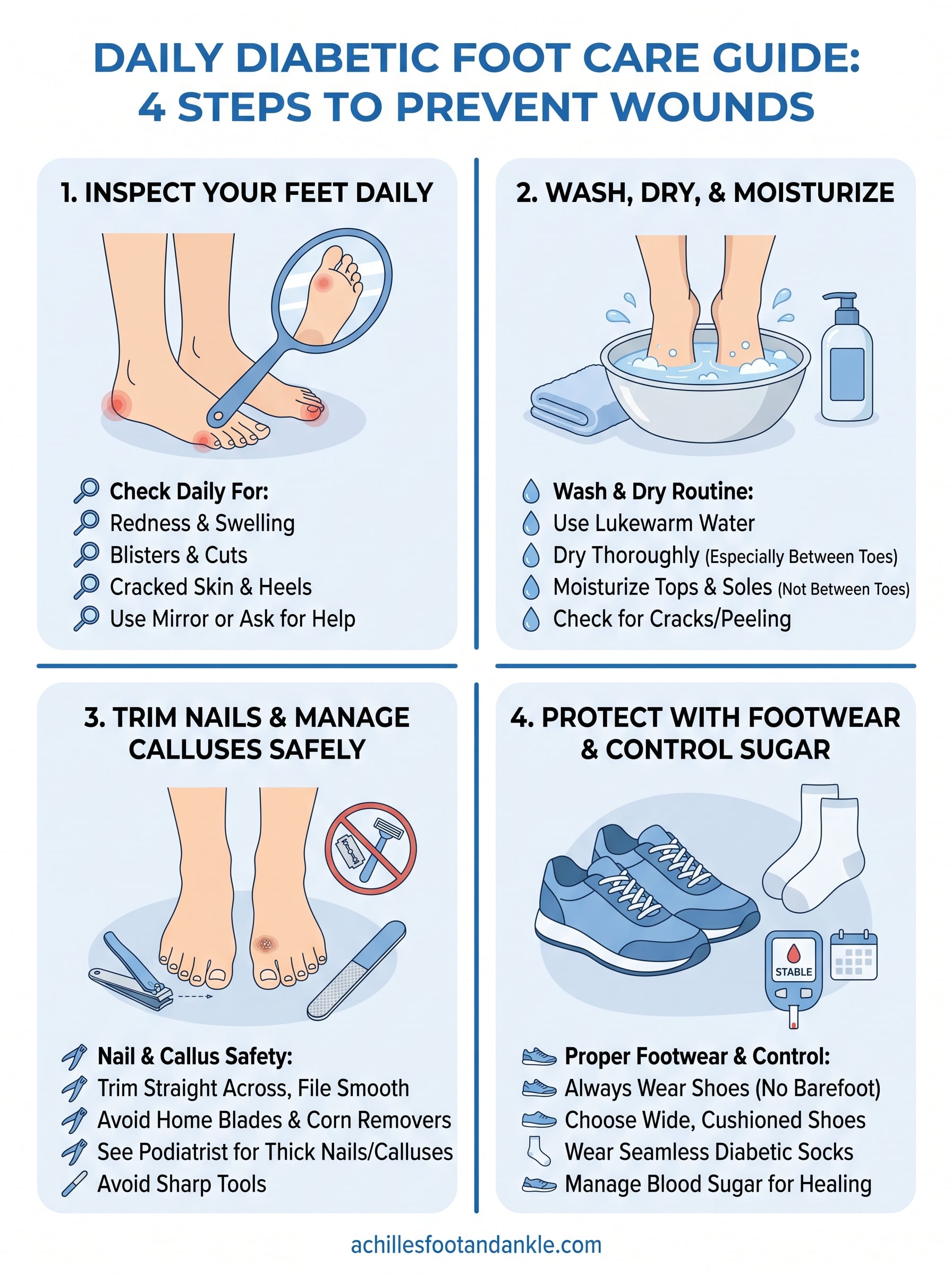
Keeping your feet healthy for the long run
Four habits stand between you and a serious diabetic foot complication: daily inspection, proper washing and moisturizing, safe nail and callus care, and protective footwear paired with steady blood sugar control. None of these steps take more than a few minutes, but skipping them for even a week can let a small problem turn into a wound that needs months to heal. Print this guide, tape the checklist to your bathroom mirror, or share it with whoever helps you with daily checks. Your feet carry you through every day of your life, and diabetes doesn’t have to change that if you stay ahead of it. If you notice redness, swelling, or a sore that isn’t healing, don’t wait for it to get worse. Our team across Central Virginia sees these issues every week and catches most of them before they become serious. Schedule a same-day appointment and let us take a look.