

If you’ve noticed a thick, hardened spot on your foot that hurts when you walk, you’re probably wondering: do corns go away on their own? It’s one of the most common questions we hear at Achilles Foot and Ankle Center, and the answer is more nuanced than a simple yes or no.
Corns develop when your skin responds to repeated friction or pressure, usually from tight shoes, toe deformities, or changes in how you walk. Left alone, they rarely disappear unless you remove the underlying cause. Some people wait months hoping the problem resolves, only to find the corn getting thicker and more painful over time.
In this article, our podiatry team breaks down what actually causes corns to form, how long they take to heal with proper care, when home treatment is enough, and when it’s time to see a specialist. Whether you’re dealing with your first corn or a stubborn one that keeps coming back, you’ll walk away with a clear plan of action and the knowledge to prevent future problems.
Why corns form and who gets them
A corn is your skin’s defensive response to repeated friction or pressure. When a specific spot on your foot gets rubbed or compressed over and over, your skin produces extra layers of keratin to shield the tissue underneath. The result is a dense, hardened bump that can range from mildly annoying to sharp and painful, depending on how deep it has grown and where it sits on your foot. Understanding why corns form is the first step toward knowing whether corns go away on their own, or whether you need to take direct action.
What causes a corn to develop
The most direct cause is mechanical irritation, and it almost always comes from your footwear or your foot structure. Shoes that are too tight, too narrow, or that force your toes into an unnatural position are the most common triggers. Poorly cushioned insoles, stiff seams, or stitching can concentrate pressure on a single point, causing your skin to thicken in that exact spot. Even socks that bunch or slide can create enough repeated friction to start the process.
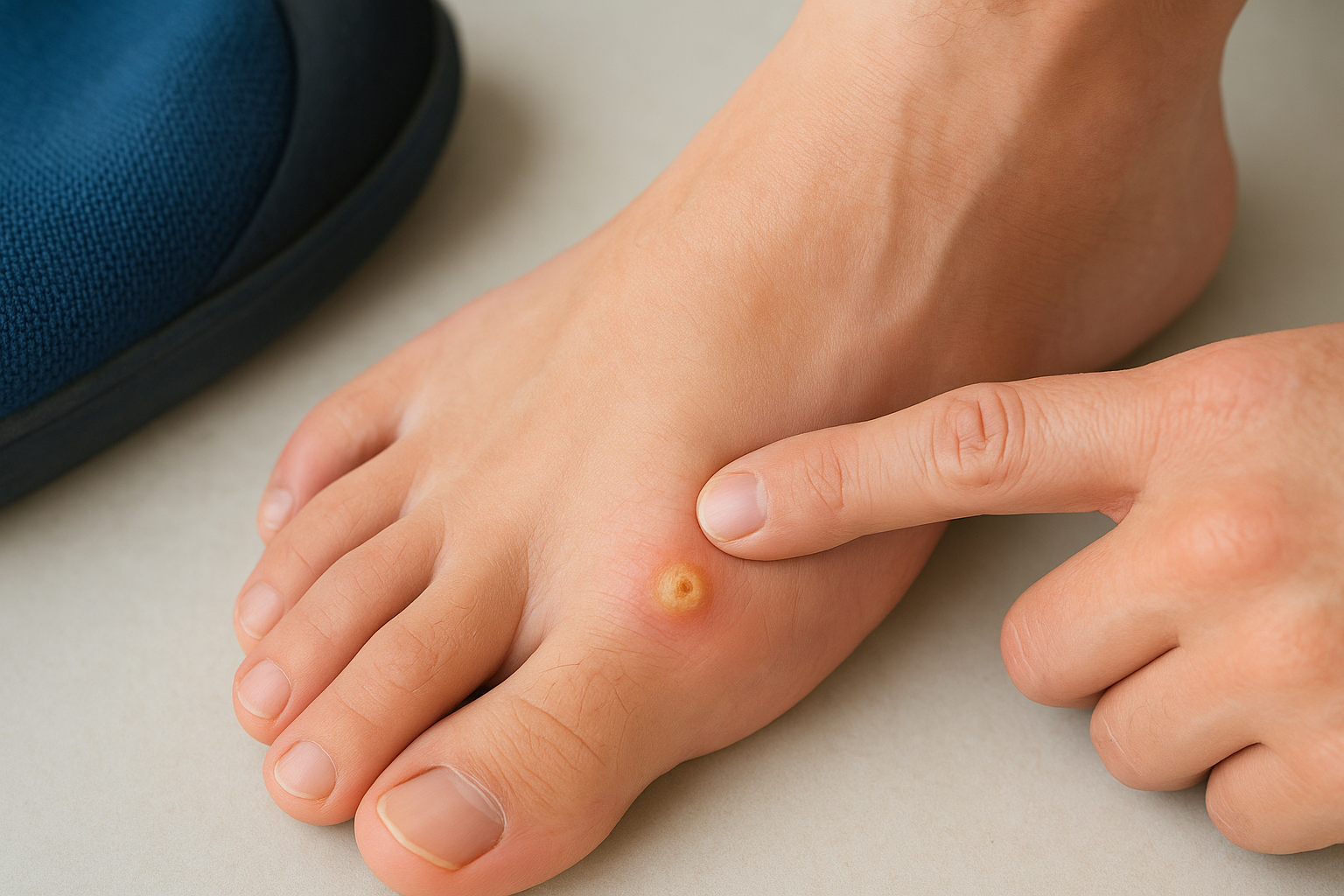
Corn formation is your skin doing its job, but the protection it creates becomes the problem when the source of friction keeps returning.
Your foot mechanics also play a significant role. If you pronate (roll inward) or supinate (roll outward) while walking or running, certain areas of your foot carry far more load than they should. Over time, that uneven pressure distribution builds up a corn the same way ill-fitting shoes would, and no amount of waiting will resolve it if the movement pattern stays the same.
Who is most at risk
Certain groups of people develop corns more frequently than others. Older adults are particularly vulnerable because the fat padding on the bottom of the foot naturally thins with age, reducing the cushion between bones and skin. People with bone spurs, bunions, hammertoes, or other structural foot deformities face a higher risk because those conditions create persistent pressure points that footwear changes alone cannot fully eliminate.
Athletes and people who stand for long hours are also common candidates. Runners and court sport athletes put repetitive stress on specific foot zones, while workers standing on hard floors see friction accumulate gradually over shifts. If your job or hobbies keep your feet in motion for extended periods, you carry a higher baseline risk of developing a corn that requires deliberate intervention to resolve.
Do corns go away on their own and timeline
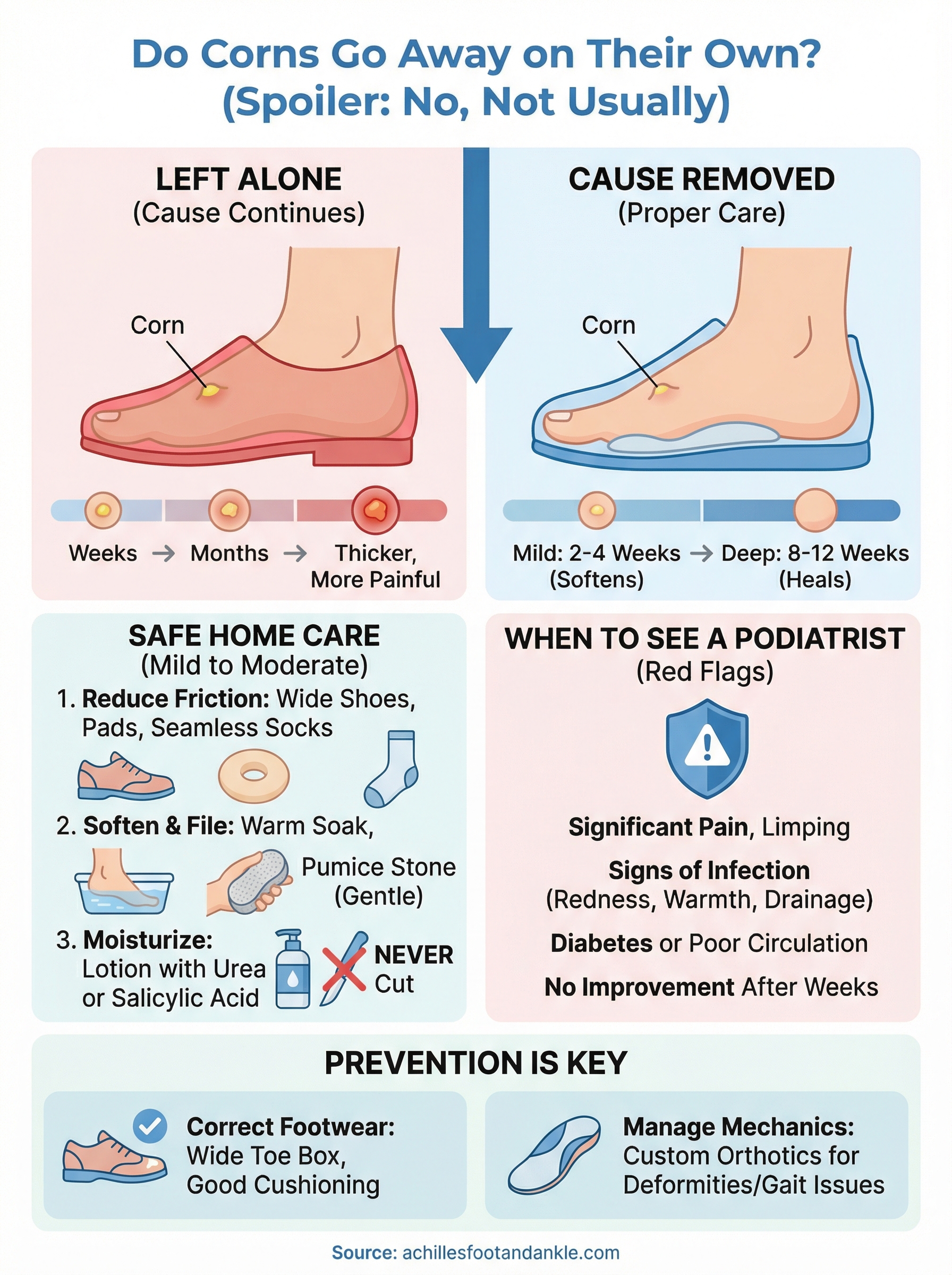
The honest answer to do corns go away on their own is: rarely, and almost never without deliberate change on your part. Your skin built that corn as a protective response to repeated stress. As long as the same friction or pressure continues, your body keeps adding keratin layers. Without removing the underlying cause, the corn stays in place and typically thickens further rather than resolving on its own.
A corn that goes untreated does not stabilize indefinitely. It deepens, and in some cases develops a central core that drives sharp pressure into the tissue beneath with every step.
How long does healing take
Once you fully remove the source of friction or pressure, a mild corn can begin to soften within two to four weeks. Deeper or older corns may need eight to twelve weeks of consistent offloading before the skin returns to normal thickness. The exact timeline depends on how long the corn has been present, how deep the keratin buildup goes, and how completely you’ve addressed the root cause.
Your progress can also stall if you only partially fix the problem. Wearing a slightly better shoe but not changing your walking mechanics, for example, reduces friction without eliminating it, which slows healing significantly. Consistent, complete removal of the cause is what determines whether you resolve the corn in weeks or keep dealing with it for months.
How to treat a corn at home safely
If you’re wondering whether do corns go away on their own with zero effort, the short answer is almost never. Mild to moderate corns can respond well to consistent home care, but only if you address the underlying cause at the same time. Treating the corn’s surface while ignoring what created it leads to temporary improvement at best.
Reduce friction at the source
Your first move is to eliminate whatever is pressing on or rubbing the corn. Switch to shoes with a wide toe box and enough depth for your toes to sit flat without compression against each other or the shoe. Non-medicated, donut-shaped corn pads can offload pressure from the corn while you work on a longer-term solution. Also check your socks for thick seams that land directly over the sore spot, and replace them with seamless options.
Removing the source of friction before treating the corn itself is what separates a two-week recovery from a two-month one.
Safe softening methods
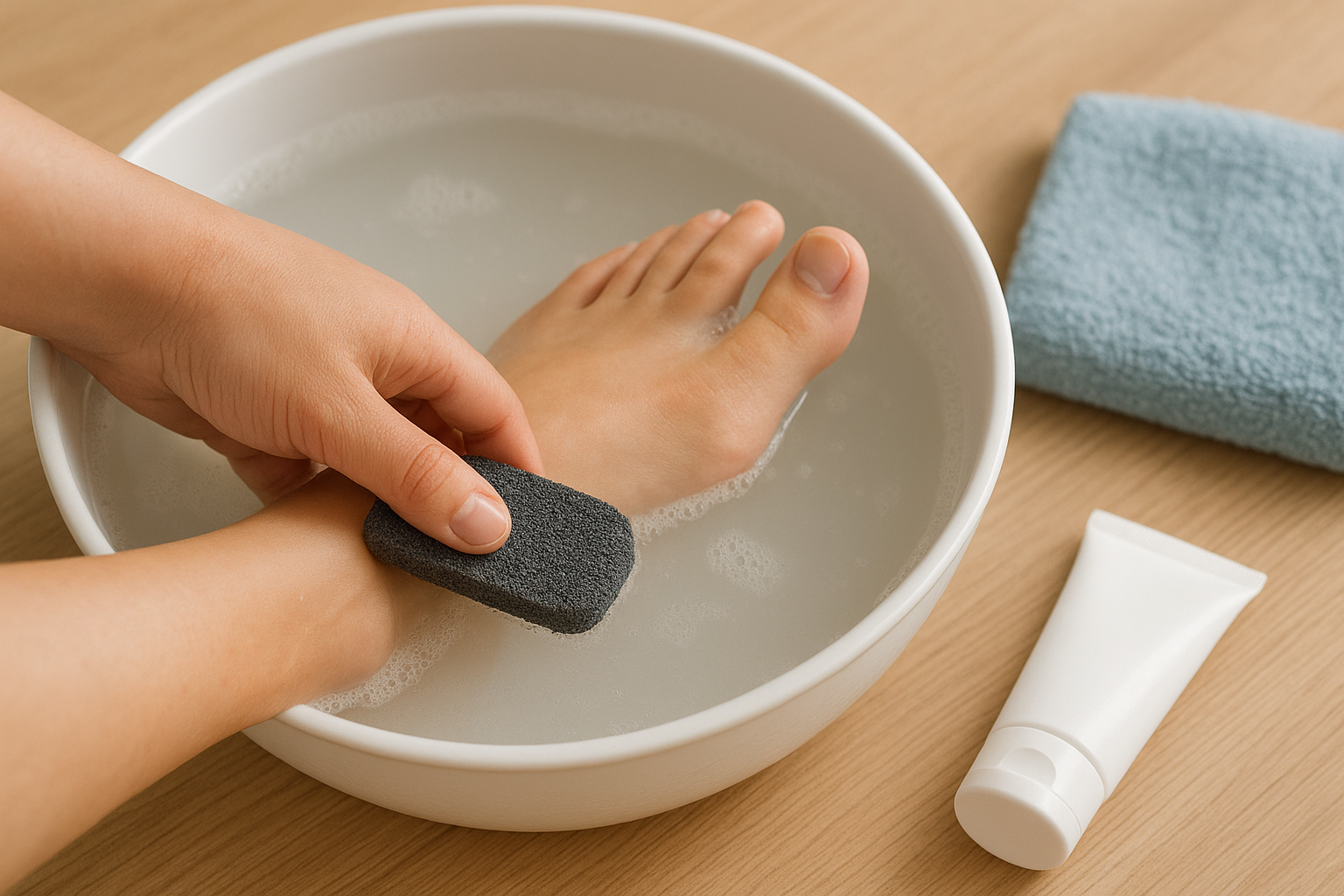
Soaking your foot in warm water for 10 to 15 minutes softens the thickened skin enough to work on it safely. After soaking, use a pumice stone or foot file with light circular strokes to remove the outermost dead layers. Never cut or shave a corn with a blade at home, since this creates an open wound and significantly raises your infection risk. After filing, apply a moisturizing lotion containing urea or salicylic acid, which helps break down keratin gradually over time without irritating the healthy skin around it.
When to see a podiatrist and what to expect
Home care works well for mild corns, but some situations call for professional evaluation. If your corn is causing significant pain when walking, showing signs of infection such as redness, warmth, or drainage, or sitting over a bony prominence that you can’t offload with padding or better shoes, you need a podiatrist to assess it. People asking do corns go away on their own often underestimate how quickly an infected or untreated deep corn can worsen, especially if you have diabetes or reduced circulation.
If you have diabetes, never attempt to treat a corn at home. Even minor skin trauma can lead to serious complications, and a podiatrist should handle all foot care directly.
Warning signs that require professional care
Schedule an appointment if you notice any of the following:
- Corn pain that disrupts your gait or causes you to shift weight onto other foot structures
- Skin that appears cracked, weeping, or inflamed around the corn
- A corn that has grown despite weeks of home treatment and footwear changes
- Numbness or reduced sensation in the foot along with the corn
What happens at your appointment
Your podiatrist will examine the corn, identify the structural or mechanical cause, and safely debride the hardened tissue in-office using sterile instruments. This process is faster and far safer than anything you can do at home. They may also recommend custom orthotics to correct pressure distribution, refer you for imaging if a bone spur is suspected, or discuss minor procedures if the corn keeps returning due to an underlying deformity.
How to prevent corns from coming back
Once you’ve treated a corn successfully, the goal shifts to keeping it from returning. The answer to do corns go away on their own permanently is no, especially if you go back to the same shoes or movement patterns that caused the problem. Long-term prevention depends on making consistent changes to your footwear, foot care routine, and how you manage any underlying structural issues.
Prevention is simpler than treatment, and it almost always costs less time and money than dealing with a corn that has returned for the third time.
Choose footwear that fits correctly
Shoes are the single most controllable factor in corn prevention. Look for a wide toe box that lets your toes spread naturally without pressing against each other or the sides of the shoe. Avoid pointed styles, shoes with stiff internal seams near your toes, and any pair that creates a tight pressure point anywhere on your foot. Replace worn-out shoes before the insoles lose their cushioning, since flattened soles redistribute ground forces unevenly across your foot.
Maintain your foot skin and mechanics
Regular moisturizing keeps your skin supple and less likely to build up hard layers in response to everyday friction. Use a urea-based lotion two to three times per week on areas that previously developed corns. If you overpronate or have a structural deformity like hammertoes or a bunion, ask your podiatrist about custom orthotics. Correcting how your foot contacts the ground eliminates the uneven pressure that caused the corn in the first place, giving you durable, lasting protection.
Next steps for relief
Now you have a complete picture of what causes corns, how long they take to heal, and what to do about them. Do corns go away on their own without any effort? Almost never. But with the right footwear changes, consistent home care, and professional help when needed, most people resolve their corn completely and stop it from returning.
Your next move depends on where you are right now. If your corn is causing significant daily pain, showing signs of infection, or hasn’t improved after several weeks of home treatment, don’t wait it out any longer. Seeing a podiatrist early saves you time and prevents the problem from deepening into something more serious. Our team at Achilles Foot and Ankle Center is ready to help you get back on your feet comfortably and confidently. Schedule a same-day appointment and get a clear treatment plan built around your specific situation.