Choosing the right arch support shoes for running can be the difference between logging pain-free miles and developing conditions like plantar fasciitis, shin splints, or stress fractures. Your arch type, whether flat, neutral, or high, directly affects how your foot absorbs impact, and a shoe that matches your biomechanics matters more than brand hype.
At Achilles Foot and Ankle Center, our podiatrists across Central Virginia treat runners every week who are dealing with foot and ankle pain tied to poor footwear choices. We see firsthand how overpronation from flat feet wears down joints, and how rigid high arches fail to absorb shock properly. The right shoe won’t replace professional care when something hurts, but it’s one of the most practical steps you can take to protect your feet before problems start.
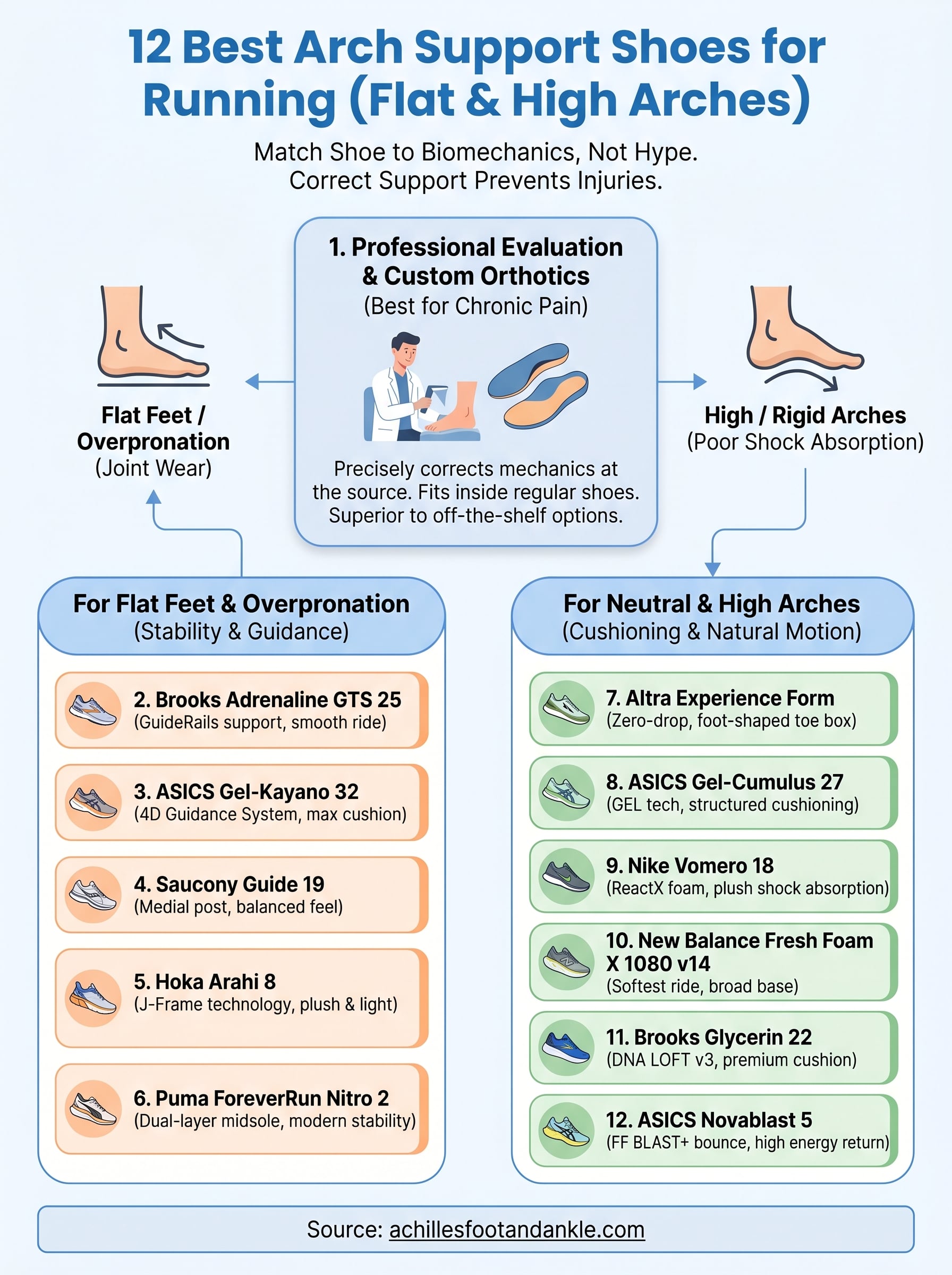
We put together this list of 12 running shoes based on clinical understanding of foot mechanics and real-world performance. Each pick is organized by arch type so you can find what actually fits your feet, not just what’s trending. Whether you’re a casual jogger or training for a marathon, these recommendations are built around function first.
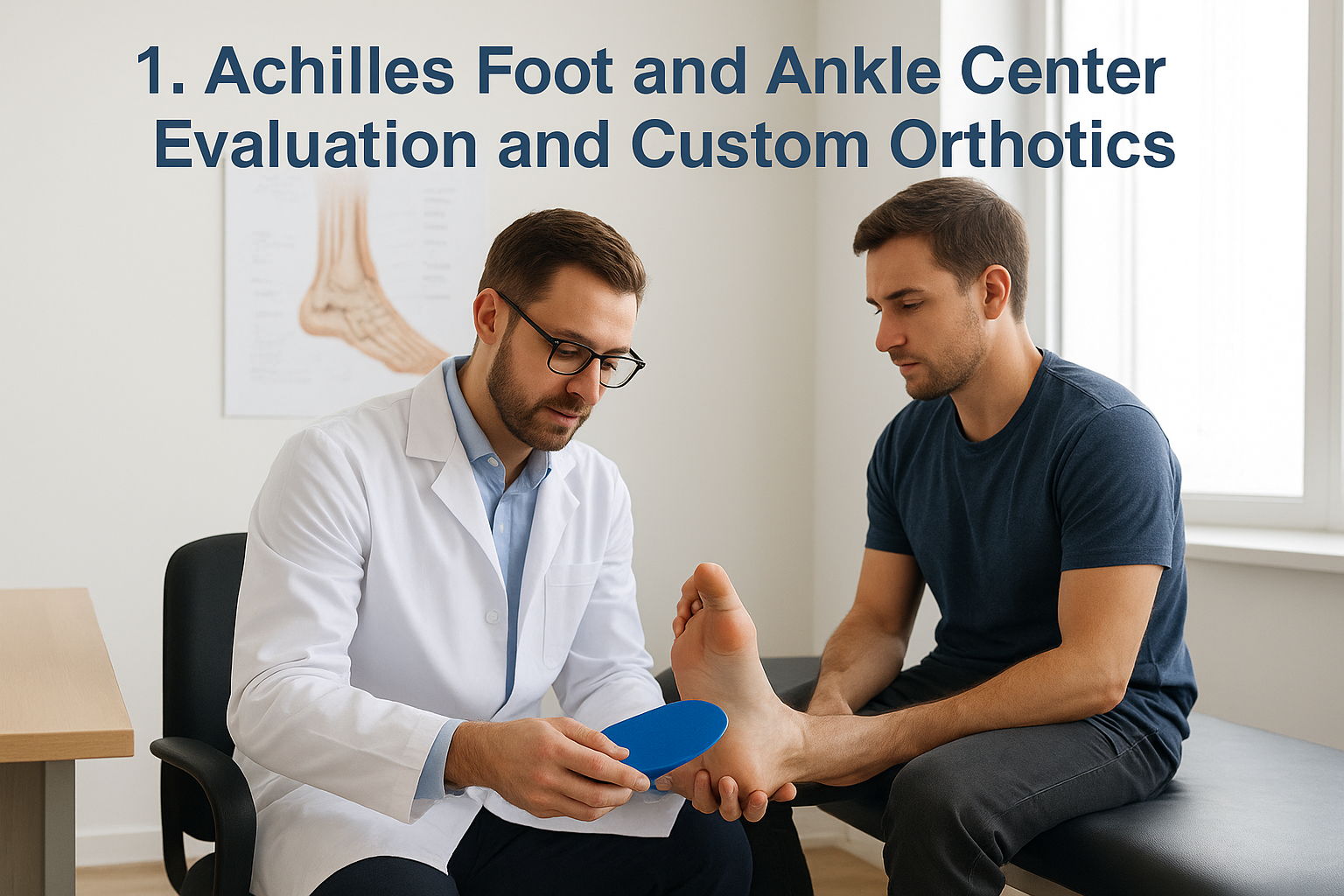
1. Achilles Foot and Ankle Center Evaluation and Custom Orthotics
Before any shoe makes this list, one option stands above all others for runners dealing with chronic foot pain or biomechanical problems: a professional evaluation followed by custom orthotics from a licensed podiatrist. No off-the-shelf arch support shoes for running can replicate what a custom-fabricated orthotic does inside any shoe you already own or plan to buy.
Support design and feel
Custom orthotics are medical devices made from a precise cast or digital scan of your foot. Unlike generic insoles, they account for your exact arch height, heel position, and the way your foot loads during the push-off phase of your stride. They fit inside your regular running shoes and redirect pressure away from problem areas such as the plantar fascia, the first metatarsal head, or the lateral forefoot.
A custom orthotic corrects your foot’s mechanics at the source, while even the best-designed shoe only manages symptoms from the outside.
At Achilles Foot and Ankle Center, our podiatrists use gait analysis and digital imaging to build orthotics that match your specific running pattern, not a generic size bracket.
Best for
Custom orthotics work best for runners who have already tried supportive footwear without lasting relief. They are especially effective for:
- Overpronators with flat feet who continue to experience arch or heel pain despite motion-control shoes
- Runners with high, rigid arches that generate excessive lateral stress on the ankle and outer metatarsals
- Patients managing plantar fasciitis, posterior tibial tendon dysfunction, or metatarsalgia
- Runners recovering from stress fractures who need load redistribution during return to activity
Things to know before you buy
An orthotic evaluation at Achilles Foot and Ankle Center typically includes a full biomechanical exam of your foot and ankle, a review of your running history, and a discussion of footwear. The process takes more time than buying shoes, but the outcome is a device built entirely around your anatomy. Most major insurance plans cover custom orthotics when prescribed for a documented medical condition, so it is worth checking your benefits before assuming the cost is out-of-pocket.
Custom orthotics also pair well with the shoes listed below. Your podiatrist can advise on which shoe types accommodate a full-length device without compromising fit. Many runners use orthotics inside a neutral or lightly cushioned shoe rather than a motion-control model, since the orthotic itself handles the corrective work.
Price range
Custom orthotics typically run $300 to $600 without insurance, though most patients with documented foot conditions pay far less after coverage. Many locations offer same-day or next-day appointments, which means you can start the evaluation process quickly and get answers before spending money on multiple pairs of shoes that may not solve the underlying problem.
2. Brooks Adrenaline GTS 25
The Brooks Adrenaline GTS 25 is one of the most consistent arch support shoes for running on the market, and it has earned that reputation through years of refinement rather than marketing. If you overpronate and want a shoe that guides your foot without forcing it into an unnatural position, the Adrenaline GTS 25 is worth a close look.
Support design and feel
Brooks built this shoe around their GuideRails support system, which places firm support along both sides of the heel rather than adding a dense medial post under the arch. This approach limits excess movement at the knee and ankle without locking your foot into a rigid track. The DNA LOFT v3 midsole delivers a cushioned, responsive feel underfoot, and the overall ride is smooth from heel strike through toe-off. The upper fits securely without feeling tight, making it comfortable for longer training runs.
GuideRails work by controlling how much your heel and ankle deviate, not by forcing your foot into a fixed alignment.
Best for
The Adrenaline GTS 25 suits runners with flat feet or mild to moderate overpronation who need structured support but still want a comfortable daily trainer. It also works well for runners who have moved away from maximalist motion-control shoes and are looking for something lighter with responsive cushioning that holds up across high weekly mileage.
Things to know before you buy
The toe box runs slightly narrow compared to some competitors, so wide-footed runners may want to try a half size up or look for the wide-width option Brooks offers. The shoe also works well with custom orthotics if your podiatrist has prescribed them, since the removable insole creates enough volume to accommodate a full-length device without compromising the fit.
Price range
The Brooks Adrenaline GTS 25 retails for $140 to $150, putting it in the mid-range for structured support trainers. Brooks regularly carries previous versions at a discount, which can be a practical option if you want to test the fit before committing to the latest model.
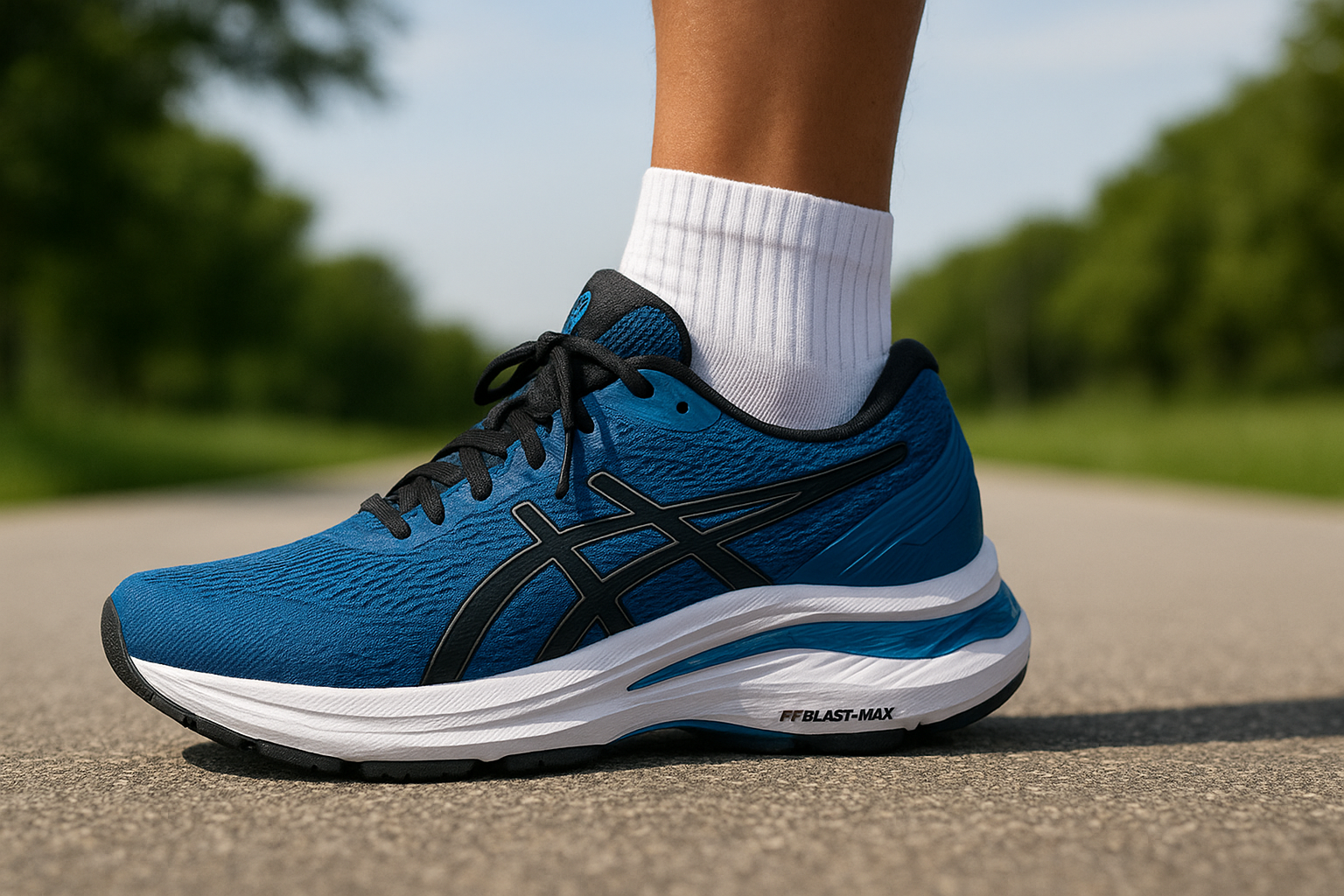
3. ASICS Gel-Kayano 32
The ASICS Gel-Kayano has been a staple in the stability running category for over three decades, and the Gel-Kayano 32 continues that track record with meaningful updates to cushioning and support. If you are shopping for arch support shoes for running and need serious structure without sacrificing comfort over long distances, this shoe belongs on your shortlist.
Support design and feel
ASICS equipped the Gel-Kayano 32 with their 4D Guidance System, a medial post built into the midsole that resists inward rolling while still allowing natural foot motion. The FF BLAST MAX midsole delivers a plush, high-stack cushion that absorbs impact well, which makes a real difference during longer runs or back-to-back training days. ASICS also added GEL technology in both the heel and forefoot, softening the ride at the two points where impact load is highest.
The 4D Guidance System targets overpronation at the source rather than relying solely on upper materials or external heel counters to control foot motion.
Best for
The Gel-Kayano 32 works best for runners with flat feet or moderate to severe overpronation who put in consistent weekly mileage and need a shoe that holds up through the long run. It also suits heavier runners who need extra cushioning and medial support to protect their joints on hard surfaces like pavement or packed trails.
Things to know before you buy
The Gel-Kayano 32 runs true to size for most runners, but the heel collar is noticeably higher than many competing stability shoes, which some wearers find restrictive at first. Give it a few runs before drawing conclusions. The removable sockliner leaves enough room to pair the shoe with custom orthotics if your podiatrist has recommended them, which is a practical advantage for runners already in a managed care plan.
Price range
The Gel-Kayano 32 retails for $160 to $170, placing it at the upper end of the stability trainer category. The quality of the materials and the durability of the midsole foam justify the price point for runners who log 40 or more miles per week.
4. Saucony Guide 19
The Saucony Guide 19 is a well-balanced stability trainer that delivers structured support without the bulk that holds back some heavier motion-control shoes. If you’re searching for arch support shoes for running that feel natural and light underfoot while still keeping overpronation in check, the Guide 19 makes a strong case as a daily workhorse.
Support design and feel
Saucony built the Guide 19 around their PWRRUN cushioning compound paired with a medial post positioned under the arch to limit inward rolling during your stride. The combination creates a smooth, responsive ride that doesn’t feel stiff or overly corrective, which is a common complaint with older stability designs. The engineered mesh upper wraps your foot securely without creating pressure points, and the heel counter is firm enough to keep your foot seated during heel strike without restricting natural movement through the rest of your gait cycle.
The medial post in the Guide 19 adds structure only where overpronators need it, so the rest of the shoe stays flexible and light rather than fighting your foot’s movement.
Best for
The Guide 19 suits runners with flat feet or mild to moderate overpronation who want a daily trainer that handles both shorter tempo sessions and longer easy runs with equal reliability. Runners transitioning away from heavier stability shoes will also find the Guide 19 a solid fit, since it offers meaningful support in a more streamlined package without the stiffness common to older motion-control models.
Things to know before you buy
The Guide 19 fits true to size for most runners, though the midfoot runs slightly snug compared to Brooks or ASICS stability options. Runners with wider feet should try the wide-width version before committing. The removable insole creates enough volume to accommodate custom orthotics prescribed by a podiatrist, making this shoe a practical choice for runners already using prescribed devices.
Price range
The Saucony Guide 19 retails for $140 to $150, putting it in line with other mid-range stability trainers and making it one of the better-value options for runners who need reliable arch support without overspending on features they won’t use.
5. Hoka Arahi 8
Hoka built a reputation on maximalist cushioning, and the Arahi 8 proves that thick midsoles and structured support are not mutually exclusive. For runners looking for arch support shoes for running that feel cushioned and light at the same time, the Arahi 8 delivers a combination that most stability trainers struggle to match.
Support design and feel
Hoka uses their J-Frame technology in the Arahi 8, which places a J-shaped section of denser foam along the medial side of the midsole. Unlike a traditional flat medial post, the J-Frame wraps up the inner heel, which gives your foot a more stable base without creating an abrupt transition during your stride. The CMEVA midsole keeps the overall stack height high enough to absorb road impact without adding the weight you might expect from a shoe this cushioned.
The J-Frame’s curved geometry guides overpronating feet through a more natural path without the rigid, locked-in feel that some traditional stability shoes produce.
Best for
The Arahi 8 works well for flat-footed runners and mild to moderate overpronators who want a plush, forgiving ride over easy miles and long runs. Runners who have struggled with the heavier feel of older stability models will find that the Arahi 8 runs lighter than its appearance suggests, making it a practical choice for those who want support without a sluggish turnover.
Things to know before you buy
The Arahi 8 fits true to size for most runners, but the rocker-shaped sole geometry takes a few runs to feel natural if you’re coming from a flat-soled shoe. The removable insole leaves adequate room for custom orthotics if your podiatrist has prescribed them, though the J-Frame itself handles much of the corrective work, so check with your provider before doubling up on support features.
Price range
The Hoka Arahi 8 retails for $140 to $150, placing it competitively within the stability trainer category and offering solid value given the quality of cushioning and the durability of the midsole foam across high weekly mileage.
6. Puma ForeverRun Nitro 2
The Puma ForeverRun Nitro 2 is a newer entry in the stability running category, and it brings a fresh approach to arch support shoes for running that stands out from the Brooks and ASICS options that dominate most recommended lists. Puma has refined the ForeverRun Nitro platform meaningfully with this second version, producing a shoe that handles structured support without the traditional stiffness runners often associate with stability footwear.
Support design and feel
Puma equipped the ForeverRun Nitro 2 with a dual-layer NITRO foam midsole that places a firmer foam segment along the medial side to reduce inward rolling while keeping the rest of the platform soft and responsive. The combination produces a ride that feels cushioned throughout your gait cycle rather than corrective only at the arch. The engineered knit upper conforms to your foot’s shape without excess bulk, and the reinforced heel counter keeps your heel seated through heel strike and push-off without creating pressure points during longer runs.
The dual-density midsole approach lets the shoe address overpronation mechanically, which means the upper can focus on comfort rather than control.
Best for
The ForeverRun Nitro 2 works well for runners who want a lighter, more athletic-feeling stability trainer for both daily mileage and moderate-speed sessions. It suits:
- Flat-footed runners with mild to moderate overpronation who find heavier stability shoes slow their turnover
- Runners who want a shoe that transitions smoothly between easy runs and tempo workouts
- Runners switching away from bulkier motion-control options
Things to know before you buy
The ForeverRun Nitro 2 fits true to size, but the toe box runs slightly narrow, so runners with wider feet should try a half size up before committing. The removable insole creates enough room to accommodate custom orthotics if your podiatrist has prescribed them, making the shoe a flexible choice for runners already following a managed care plan.
Price range
The Puma ForeverRun Nitro 2 retails for $140 to $150, placing it competitively alongside other mid-range stability trainers in this list without sacrificing the foam quality or upper construction that justifies the price.
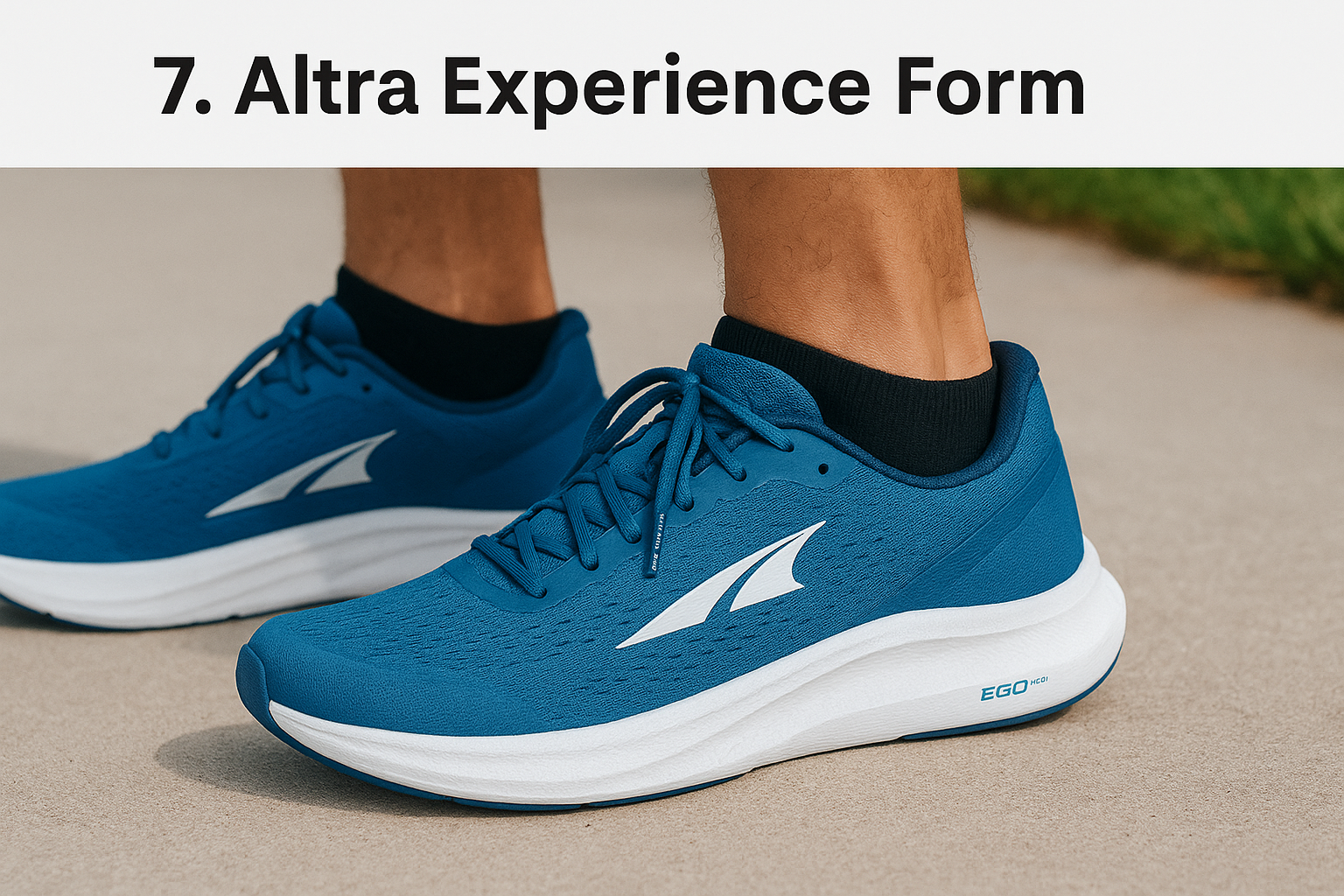
7. Altra Experience Form
The Altra Experience Form takes a fundamentally different approach to arch support shoes for running compared to every other shoe on this list. Instead of using medial posts or guide rails, Altra designs around natural foot positioning as the primary support strategy, making this an option worth considering if traditional stability shoes have never felt quite right on your feet.
Support design and feel
Altra builds the Experience Form around two core principles: a zero-drop platform that places your heel and forefoot at the same height, and a foot-shaped toe box that allows your toes to splay naturally under load. The theory is that proper alignment starts at the toe box and heel, not from a foam wedge under the arch. The midsole uses Altra’s EGO MAX foam, which delivers a cushioned, balanced ride without steering your foot into a fixed position. The result is a shoe that supports your arch by encouraging your foot to function the way it was built to function.
When your toes can spread naturally during push-off, your intrinsic foot muscles engage more effectively, which builds the natural arch support your foot already has.
Best for
The Experience Form suits runners with neutral to high arches who want cushioning without the forward lean of a traditional heel-to-toe drop. It also works well for runners who have transitioned to natural footwear and want a daily trainer with enough cushioning to handle road running without sacrificing the biomechanical benefits of a flat platform.
Things to know before you buy
If you are coming from a conventional running shoe with a raised heel, the zero-drop geometry requires a gradual adjustment period of several weeks to avoid calf and Achilles strain. Start with shorter runs and build mileage slowly. The wide toe box runs generously for most feet, so narrow-footed runners may want to try a half size down.
Price range
The Altra Experience Form retails for $140 to $150, which puts it in line with comparable daily trainers and makes it a reasonable investment for runners exploring natural alignment footwear.
8. ASICS Gel-Cumulus 27
The ASICS Gel-Cumulus 27 earns its spot on this list of arch support shoes for running as the top neutral option for runners who don’t need medial correction but still want structured cushioning and reliable energy return across daily mileage. If your arches are neutral or high, the Gel-Cumulus 27 gives you the platform your feet need without the unnecessary stability features designed for overpronators.
Support design and feel
ASICS updated the Gel-Cumulus 27 with their FF BLAST+ ECO midsole, a lightweight foam compound that balances softness with enough firmness to keep your stride from collapsing under load. GEL technology in the rearfoot absorbs impact at heel strike, which matters most for high-arched runners whose feet lack natural shock absorption due to limited pronation. The engineered mesh upper is breathable and wraps the foot without excess pressure, and the heel counter holds your rear foot in place without restricting ankle movement during your stride.
High-arched feet absorb less shock naturally because they pronate less, which makes a well-cushioned neutral shoe a functional tool rather than just a comfort upgrade.
Best for
The Gel-Cumulus 27 suits runners with neutral or high arches who want a dependable daily trainer for easy runs, long runs, and recovery days. It also works well for underpronators, sometimes called supinators, who need extra lateral cushioning to compensate for the outward roll their gait produces.
Things to know before you buy
The Gel-Cumulus 27 runs true to size for most runners. The removable sockliner leaves adequate depth for custom orthotics, which is especially useful for high-arched runners whose podiatrist has prescribed a device to redistribute load across the forefoot and lateral column.
Price range
The Gel-Cumulus 27 retails for $130 to $140, making it one of the more accessible premium daily trainers in the ASICS lineup and a solid value for the cushioning and durability it delivers.
9. Nike Vomero 18
The Nike Vomero 18 is a neutral, high-cushion daily trainer that earns a place among the best arch support shoes for running for runners who need serious shock absorption without any stability features. If your arches are neutral or high and you want a plush, forgiving ride across easy days and long runs, the Vomero 18 is one of the most capable options Nike has built in this category.
Support design and feel
Nike equipped the Vomero 18 with a full-length ReactX midsole that delivers a soft, cushioned ride with better energy return than the foam compounds found in previous Vomero versions. The stack height is generous, which helps high-arched runners who pronate minimally and rely more on midsole cushioning to absorb ground impact than on natural foot mechanics. The engineered mesh upper fits closely around the midfoot and heel without creating pressure points, and the heel counter is structured enough to keep your foot stable through the full gait cycle.
High-arched runners benefit most from a neutral shoe with deep cushioning because their reduced pronation means the foot itself absorbs less impact on every stride.
Best for
The Vomero 18 works best for runners with neutral or high arches who prioritize cushioning and daily comfort over responsiveness or speed. It also suits runners logging recovery miles or high-mileage training weeks where joint protection across many consecutive runs matters more than a fast turnover feel.
Things to know before you buy
The Vomero 18 runs true to size for most runners, though the heel collar sits slightly higher than competing neutral trainers, which some runners notice during the first few runs. The removable insole leaves enough depth to fit custom orthotics if your podiatrist has prescribed them for load redistribution or forefoot offloading.
Price range
The Nike Vomero 18 retails for $160 to $170, placing it at the premium end of neutral daily trainers and reflecting the quality of the ReactX foam and the durability of the upper construction across extended mileage.
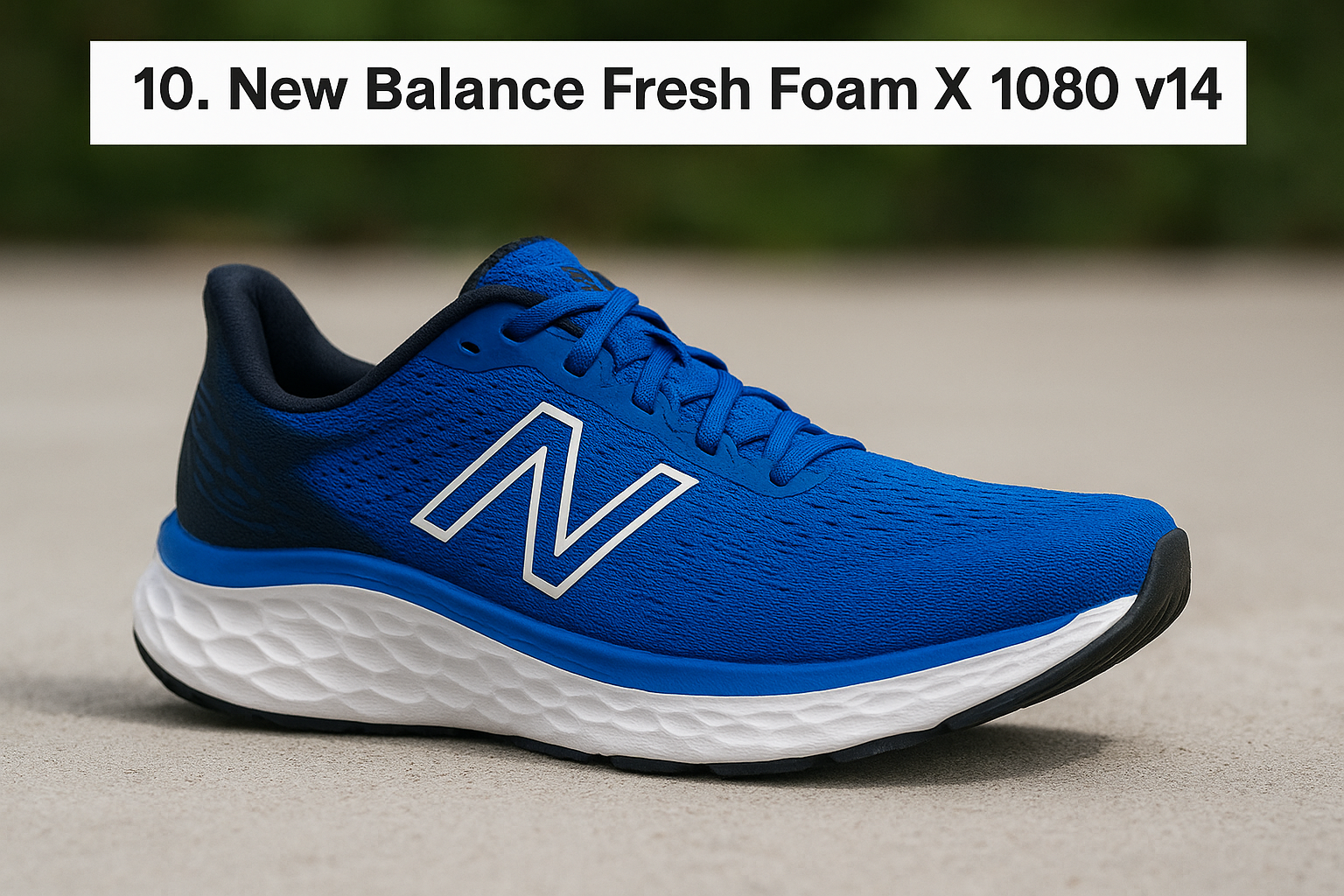
10. New Balance Fresh Foam X 1080 v14
The New Balance Fresh Foam X 1080 v14 is a neutral daily trainer that earns its place among the best arch support shoes for running by delivering one of the softest, most refined rides in the premium cushioning category. For runners with neutral or high arches who want a plush underfoot experience without structural interference, the 1080 v14 is among the most polished options available.
Support design and feel
New Balance built the 1080 v14 around an updated Fresh Foam X midsole compound that offers a noticeably softer feel than previous versions while maintaining enough firmness to prevent the midsole from collapsing under load during longer runs. The geometry keeps the heel slightly elevated for a natural heel-to-toe transition, and the broad base provides inherent stability that high-arched runners benefit from without requiring a medial post or guide system. The Hypoknit upper adapts to your foot’s shape during movement, reducing friction across the midfoot and forefoot.
A wider, well-cushioned base under a neutral shoe does meaningful work for high-arched runners by spreading impact load more evenly across the foot.
Best for
The 1080 v14 suits runners with neutral or high arches who prioritize a smooth, cushioned feel for easy runs, recovery days, and long efforts where joint protection matters over speed. Runners logging high weekly mileage will also appreciate how well the midsole foam holds up over extended use compared to cheaper foam compounds that compress and lose responsiveness quickly.
Things to know before you buy
The 1080 v14 runs true to size for most runners, though the toe box is slightly wider than competing premium trainers, which works in favor of runners with wider forefeet. The removable insole leaves sufficient depth to accommodate custom orthotics prescribed by your podiatrist, making this shoe a practical pairing if you are already following a managed care plan.
Price range
The New Balance Fresh Foam X 1080 v14 retails for $165 to $175, placing it among the higher-priced neutral trainers on this list and reflecting the quality of the foam construction and upper materials.
11. Brooks Glycerin 22
The Brooks Glycerin 22 is Brooks’ flagship neutral daily trainer, and it earns its place among the best arch support shoes for running for runners with neutral or high arches who want maximum cushioning without stability features interfering with their natural gait.
Support design and feel
Brooks updated the Glycerin 22 with their DNA LOFT v3 midsole, which delivers a softer, more plush underfoot feel than previous versions while still maintaining enough structure to support your foot through heel strike and toe-off. The shoe uses a 10mm heel-to-toe drop that provides a smooth, natural transition without the adjustment period that a zero-drop design demands, making it easy to adopt even if you’re coming from a conventional training shoe.
The DNA LOFT v3 foam in the Glycerin 22 strikes a balance between cushion and responsiveness that holds up well across repeated long runs, which cheaper foam compounds can’t match.
Best for
The Glycerin 22 works best for runners with neutral or high arches who want a premium daily trainer for easy runs, long runs, and recovery days. Runners who log consistent weekly mileage and want a shoe that retains its cushioning properties over hundreds of miles will find the Glycerin 22 among the most durable options in the neutral trainer category.
Things to know before you buy
Running true to size for most runners, the Glycerin 22 also comes in a wide-width version that works well for runners with broader forefeet who struggle to fit into narrower premium trainers. The removable insole creates adequate depth to pair with custom orthotics if your podiatrist has prescribed them, giving you the flexibility to use the shoe within a managed care plan without losing the fit.
Price range
The Brooks Glycerin 22 retails for $160 to $170, placing it alongside the Nike Vomero 18 and New Balance 1080 v14 at the premium end of neutral daily trainers, and the midsole durability across high mileage justifies that investment for runners who train consistently throughout the year.
12. ASICS Novablast 5
The ASICS Novablast 5 closes this list of arch support shoes for running as the best option for runners who want a neutral, high-energy trainer that prioritizes bounce and responsiveness over plush comfort. If you have neutral or high arches and want a shoe that returns energy with every step rather than absorbing it, the Novablast 5 is worth serious attention.
Support design and feel
ASICS built the Novablast 5 around their FF BLAST+ midsole compound, which is tuned for energy return rather than deep cushioning. The midsole geometry is tall but uses a rounded, trampoline-like base that creates a springy, lively feel underfoot that stands apart from the softer, more dampened rides in the Brooks Glycerin 22 or New Balance 1080 v14. The engineered mesh upper fits securely around the midfoot without restricting your forefoot, and the heel counter provides enough structure to keep your foot stable without feeling rigid during faster efforts.
The Novablast 5’s rounded midsole geometry pushes energy back into your stride rather than dispersing it, which makes it feel noticeably more responsive than cushioned neutral trainers of a similar stack height.
Best for
The Novablast 5 works best for runners with neutral or high arches who want a versatile trainer capable of handling both easy aerobic runs and faster tempo sessions. Runners who find deeply cushioned shoes feel slow or unresponsive will appreciate how the Novablast 5 rewards a quicker turnover without sacrificing the midsole height that high-arched runners need for adequate shock absorption.
Things to know before you buy
The Novablast 5 fits true to size for most runners, though the toe box runs slightly narrow. The removable insole creates enough depth to accommodate custom orthotics if your podiatrist has prescribed them, giving you flexibility within a structured care plan.
Price range
The ASICS Novablast 5 retails for $130 to $140, making it one of the better-value options for runners who want energy return and versatility in a single neutral daily trainer.
Quick Next Step
Every shoe on this list offers something useful, but the right arch support shoes for running depend entirely on your foot type, your gait, and whether you’re managing an existing condition or trying to prevent one. A well-matched shoe goes a long way, but no off-the-shelf option replaces a professional assessment when pain is already part of your running experience.
If you’re dealing with heel pain, arch soreness, or recurring injuries that keep interrupting your training, the most direct step you can take is booking a podiatry evaluation. The podiatrists at Achilles Foot and Ankle Center serve runners across Central Virginia and can identify exactly what your feet need, whether that’s footwear guidance, custom orthotics, or a targeted treatment plan. You don’t have to keep guessing at shoe selections and hoping the problem resolves on its own. Schedule a same-day appointment and get a clear answer about what your feet actually need.