You’re mid-training or just finished a long run, and there it is, a hot, fluid-filled bubble on your heel or toe that makes every step miserable. Knowing how to treat blisters from running correctly can mean the difference between a quick recovery and a painful infection that sidelines you for weeks. Most runners will deal with blisters at some point, but surprisingly few handle them the right way.
At Achilles Foot and Ankle Center, our podiatrists across Central Virginia treat friction-related foot injuries in runners of all levels, from weekend joggers to competitive athletes. We see firsthand how a small blister, when ignored or improperly managed, can turn into a deeper wound requiring clinical intervention, especially for patients with diabetes or compromised circulation.
This guide walks you through exactly how to clean, protect, and heal running blisters at home, when to leave them alone versus when to drain them, and practical prevention strategies to keep them from coming back. We’ll also cover the warning signs that mean it’s time to see a specialist rather than tough it out on your own.
What a running blister is and when it needs care
A blister forms when repeated friction between your skin and a surface, like a sock seam or shoe upper, separates the outer layers of skin and fills the gap with clear protective fluid. Your body creates this cushion automatically to shield the tissue underneath from further mechanical damage. Understanding what is actually happening beneath that bubble helps you make smarter decisions about how to treat blisters from running, rather than guessing or ignoring them entirely.
Signs that your blister is a routine injury
Most running blisters are minor skin injuries that heal on their own within three to seven days with basic care at home. You will typically notice clear or slightly yellow fluid inside, mild tenderness around the edges, and no spreading redness beyond the immediate border of the blister. These are signs your immune system is managing things normally, and the situation does not require clinical intervention.
Warning signs that demand immediate attention
Some blisters signal a more serious problem that needs professional care quickly. Watch for red streaks extending outward from the blister edge, which can indicate infection spreading through the lymphatic system. A blister filled with cloudy, white, or green fluid is another red flag, as is significant swelling, increasing warmth around the site, or fever.
If you have diabetes or poor circulation in your feet, treat even a small blister as urgent and contact a podiatrist the same day you notice it, since your healing response is compromised and infection risk rises sharply.
Blisters located on the ball or heel of the foot under a bony prominence, or any blister wider than a quarter, also warrant a specialist’s assessment. Pain that feels deeper than the skin surface can suggest friction has damaged underlying tissue, which needs clinical evaluation before your next run.
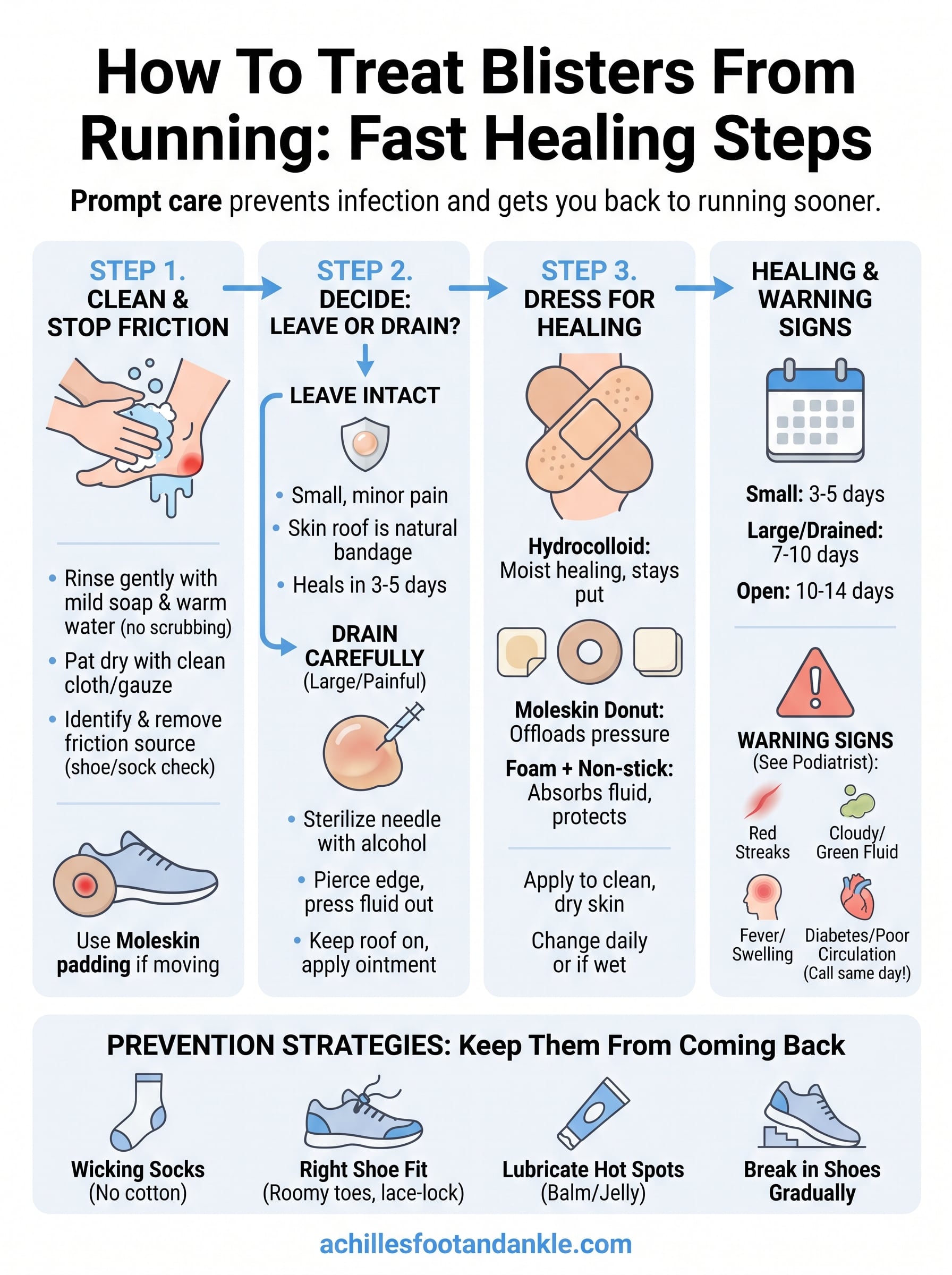
Step 1. Clean the area and stop the rubbing
The first thing you need to do when you spot a blister is stop running and address the problem right away. Continuing to run on an uncleaned, unprotected blister increases your risk of tearing the skin, introducing bacteria, and turning a minor issue into something that requires clinical care. This step is foundational to how to treat blisters from running correctly.
Clean the blister site
Wash your hands thoroughly with soap and water before touching the blister. Then clean the blister and surrounding skin using the steps below:
- Rinse the area with mild soap and warm water or a saline solution
- Pat dry with a clean cloth or sterile gauze
- Avoid any scrubbing motion that could break the skin
Do not apply rubbing alcohol or hydrogen peroxide directly on the blister, as both damage surrounding tissue and slow the healing process.
Eliminate the friction source
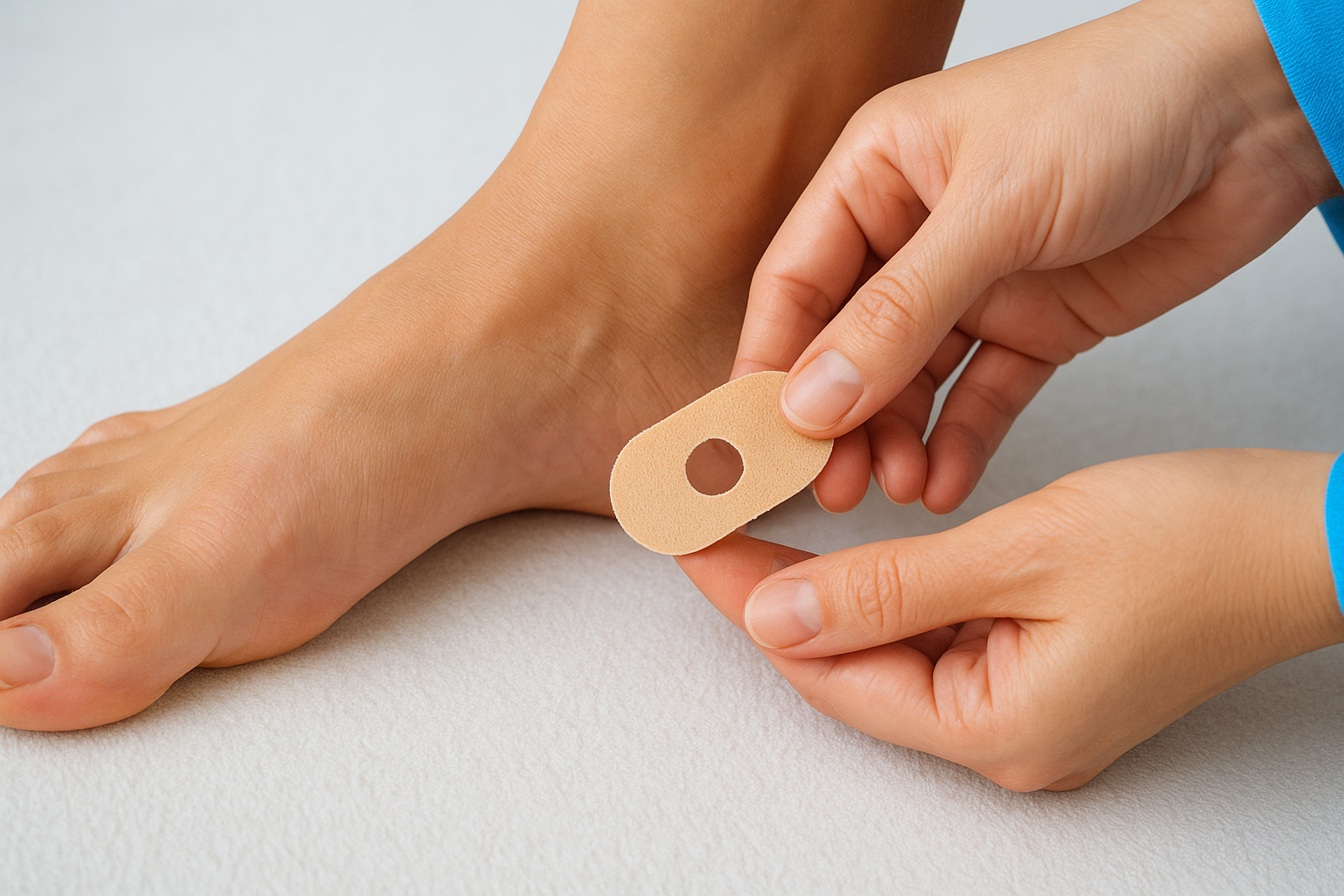
Once the blister is clean, identify what caused the rubbing before you take another step. Check your shoe for worn insoles, rough interior seams, or a poor fit around the heel. Remove the offending shoe or sock immediately, and if you must keep moving, apply moleskin padding cut into a donut shape around the blister to relieve direct pressure on the site.
Step 2. Decide if you should leave it or drain it
This is the step most runners get wrong when figuring out how to treat blisters from running. The fluid-filled roof of a blister is actually your best natural bandage, and puncturing it prematurely removes that protection and opens a wound to bacteria.
When to leave the blister intact
Leave the blister alone if it is small, intact, and not causing significant pain with each step. A blister smaller than a dime with clear fluid and no surrounding redness will typically reabsorb on its own within a few days without any puncture needed.
Resist the urge to pop a blister simply because it looks uncomfortable. Breaking the skin barrier before the tissue underneath has healed increases your infection risk considerably.
When draining is the right call
Drain a blister only if it is large, tense, and making it impossible to walk or run without sharp pain. If you decide to drain it, follow these steps precisely:
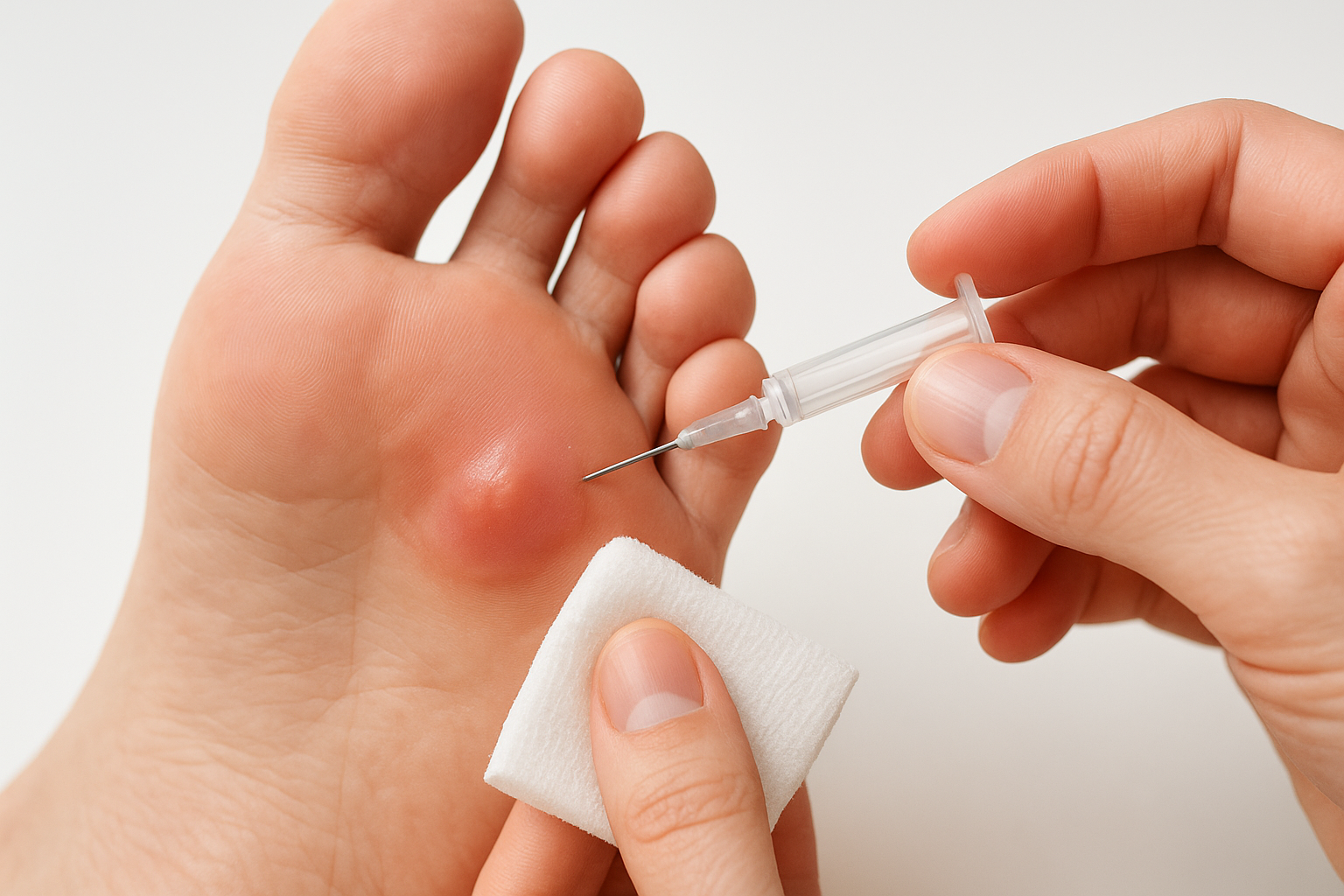
- Sterilize a needle with rubbing alcohol before use
- Pierce the blister at the edge, not the center, using a single small puncture
- Gently press the fluid out with clean gauze
- Leave the skin roof in place to protect the raw tissue underneath
- Apply antibiotic ointment and cover immediately
Step 3. Dress it for fast healing and safer running
Once you’ve cleaned the blister and decided whether to drain it, proper dressing is what actually drives healing and lets you get back to training faster. Reaching for a standard bandage and calling it done is where most runners cut corners. The right dressing keeps the wound moist, protected, and buffered from friction, which is exactly what the raw tissue underneath needs.
Choose the right dressing material
Not all bandages work equally well on foot blisters. Your best options combine moisture-retentive properties with enough cushioning to handle pressure inside a running shoe.
| Dressing Type | Best For | Key Benefit |
|---|---|---|
| Hydrocolloid blister bandage | Most running blisters | Promotes moist healing, stays put |
| Moleskin donut pad | Large or painful blisters | Offloads pressure around the site |
| Foam pad + non-stick gauze | Drained blisters | Absorbs fluid, protects raw skin |
How to apply it before you run again
Apply your chosen dressing to clean, dry skin so it adheres properly. Press firmly around all edges to keep it from shifting inside your shoe mid-run.
Change your dressing daily, or immediately if it gets wet or loose, to cut your infection risk and keep healing on schedule.
Knowing how to treat blisters from running correctly also means checking that your shoe fits over the padded area without added pressure before you start your next session.
How long blisters take to heal and when to see a podiatrist
Most running blisters heal within three to seven days when you clean and dress them properly. Larger blisters, or those where the skin roof tore open, can take up to two weeks to fully close. Your timeline depends on blister size, whether the roof stayed intact, and how consistently you changed the dressing each day.
Typical healing timeline by blister type
Knowing what to expect helps you plan your training around recovery rather than guessing. Use this table as a reference, keeping in mind that individual health factors like circulation and nutrition can shift these ranges.
| Blister Type | Expected Healing Time |
|---|---|
| Small, intact blister | 3 to 5 days |
| Large, drained blister | 7 to 10 days |
| Torn or open blister | 10 to 14 days |
Signs it’s time to call a podiatrist
Some blisters go beyond what home care can handle. Contact a podiatrist if you notice increasing pain, cloudy fluid, or red streaks spreading outward from the blister edge after two days of correct treatment.
When you know how to treat blisters from running correctly but the wound still worsens within 48 hours, professional help is the right call rather than waiting longer.
Diabetes or poor circulation changes the rules entirely. Do not wait for warning signs; call a podiatrist the same day you find the blister, since your body’s infection response is reduced and small wounds can worsen quickly.
Keep blisters from coming back on your next runs
Understanding how to treat blisters from running is only half the work. Prevention keeps you training consistently without repeat friction injuries setting you back.
Choose the right gear
Your sock and shoe choices do more to prevent blisters than almost any other variable. Moisture-wicking synthetic or merino wool socks reduce the sweat that softens skin and makes it more vulnerable to friction. Make sure your shoes give your toes enough room to spread without letting your heel slide forward with each stride.
Getting your foot measured at a running specialty store every 12 to 18 months ensures your shoes still match your current foot shape and gait.
Key gear upgrades that cut blister risk:
- Switch from cotton to synthetic or wool running socks
- Use a lace-lock technique at the top eyelet to stop heel slippage
- Replace running shoes every 300 to 500 miles before cushioning and structure break down
Protect high-friction zones before you run
Lubrication and padding stop friction before your skin ever breaks down. Apply anti-friction balm or petroleum jelly to your heels, toes, and the ball of your foot before each run. Blister-prevention patches placed directly on known hot spots add extra protection on longer training days.
New shoes need gradual break-in time, not a long run right away. Start with two to three short runs in any new pair before adding full mileage, since stiff material against unbroken skin is one of the most reliable ways to create repeat blisters.
Next steps for healthier runs
You now have a complete, step-by-step picture of how to treat blisters from running, from the moment you spot one to the prevention habits that stop them returning. The core takeaway is straightforward: clean early, protect the skin roof, dress the wound properly, and remove the friction source before your next run. Follow that sequence consistently, and most blisters will clear up within a week without complicating your training schedule.
Persistent blisters, wounds that worsen despite correct care, or any blister on a foot with diabetes or poor circulation deserve professional attention rather than another week of home treatment. At Achilles Foot and Ankle Center, our podiatrists across Central Virginia diagnose and treat friction injuries, fit custom orthotics, and help you identify the underlying fit or gait issues driving repeat problems. Do not wait for a minor wound to become a serious setback. Book a same-day appointment and get back to running with confidence.