Ankle swelling can turn a normal day into a frustrating one. Whether it’s from standing for hours, recovering from surgery, managing a chronic condition like diabetes, or dealing with post-injury edema, that tight, heavy feeling around your ankles affects how you move and how you feel. One of the simplest and most effective tools to manage it? Compression socks. But finding the best compression socks for ankle swelling isn’t as straightforward as grabbing the first pair you see, the wrong fit or pressure level can actually make things worse.
At Achilles Foot and Ankle Center, our podiatrists across Central Virginia regularly recommend compression therapy as part of treatment plans for edema, venous insufficiency, post-surgical recovery, and diabetic foot care. We see firsthand what works and what doesn’t. That hands-on clinical experience, treating thousands of patients with ankle and foot conditions, gives us a practical perspective that goes beyond spec sheets and marketing claims. We know which features actually matter when swelling relief is the goal.
This guide breaks down 10 compression socks worth considering in 2026, with recommendations based on compression level, material quality, ease of use, and how well they address ankle-specific swelling. We’ll also cover what to look for before you buy, when compression socks aren’t enough on their own, and how to choose the right pair for your situation. If you’ve been scrolling through endless options without a clear answer, this is the resource to help you decide.
1. Achilles Foot and Ankle Center evaluation and fitting
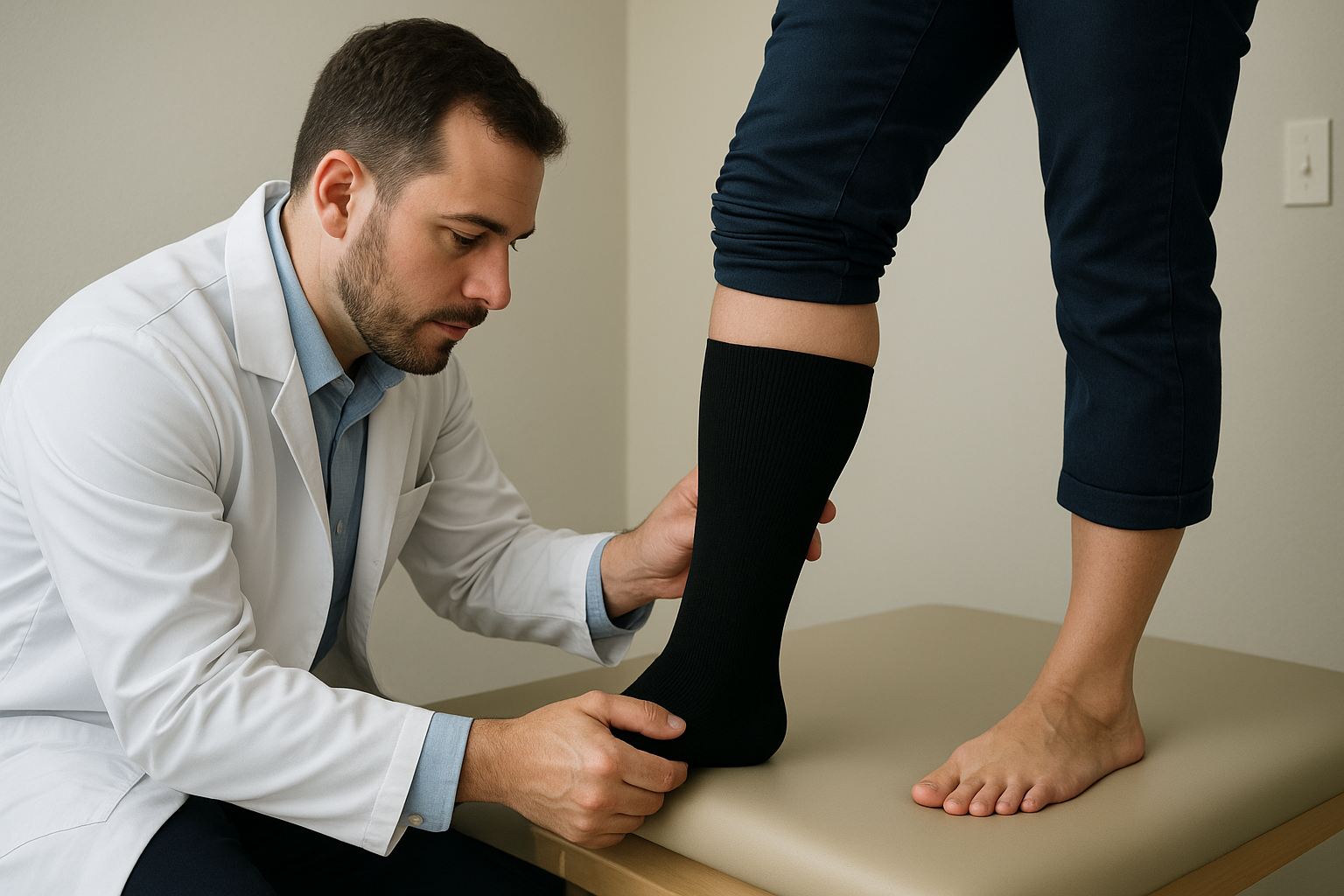
Before you spend money on any compression sock, getting a professional evaluation is the most reliable first step. Most people buy compression socks by guessing at a size from a chart and hoping the pressure level feels right. At Achilles Foot and Ankle Center, our podiatrists measure your ankle and calf circumference, assess the severity and underlying cause of your swelling, and match you to the right compression level for your specific condition. That process changes outcomes in ways that self-guided purchases rarely do.
Compression level and fit
Our clinicians measure your legs at specific anatomical points to determine the right compression gradient. If you have venous insufficiency, post-surgical edema, or lymphedema, a 20-30 mmHg medical-grade stocking is often appropriate. But that same pressure level can be harmful for someone with arterial insufficiency or compromised circulation. Getting the fit wrong is not just uncomfortable; it can restrict blood flow and delay healing.
The right compression level depends on what is causing your ankle swelling, not just how swollen your ankle looks.
When you come in for a fitting, our team also considers the shape of your foot and ankle, whether you have any skin integrity issues, and how much grip strength and mobility you have in your hands. Pulling on a compression sock correctly is harder than it looks, especially at higher pressure levels. Our staff will walk you through the right technique and, if needed, recommend donning aids that make the process manageable on your own at home.
Best for
A professional evaluation and fitting at Achilles Foot and Ankle Center is best suited for anyone with chronic or recurring ankle swelling rather than occasional mild puffiness after a long flight. This includes patients managing diabetes, chronic venous disease, post-operative recovery, and peripheral edema from systemic conditions. It is also the right call if you have already tried over-the-counter options and found them ineffective or uncomfortably tight.
If you are searching for the best compression socks for ankle swelling and a medical condition is involved, starting with a clinical evaluation gives you a clear prescription and product direction. You will leave with a specific compression recommendation rather than a pile of returns. Our podiatrists serve thirteen locations across Central Virginia, so access is not a barrier for most patients in the region.
Price range
The cost of a podiatry visit depends on your insurance coverage and the complexity of your evaluation. Most major insurance plans, including Medicare and Medicaid, cover podiatry visits when there is a documented medical need for compression therapy. If your swelling connects to a diagnosed condition, the visit and any prescribed medical-grade compression garments may be fully or partially covered as durable medical equipment.
Out-of-pocket consultation fees at Achilles Foot and Ankle Center are competitive with standard specialist visit co-pays, typically landing between $30 and $75 depending on your plan. Medical-grade compression stockings prescribed through the clinic generally run $50 to $150 per pair, with insurance often reducing that cost significantly.
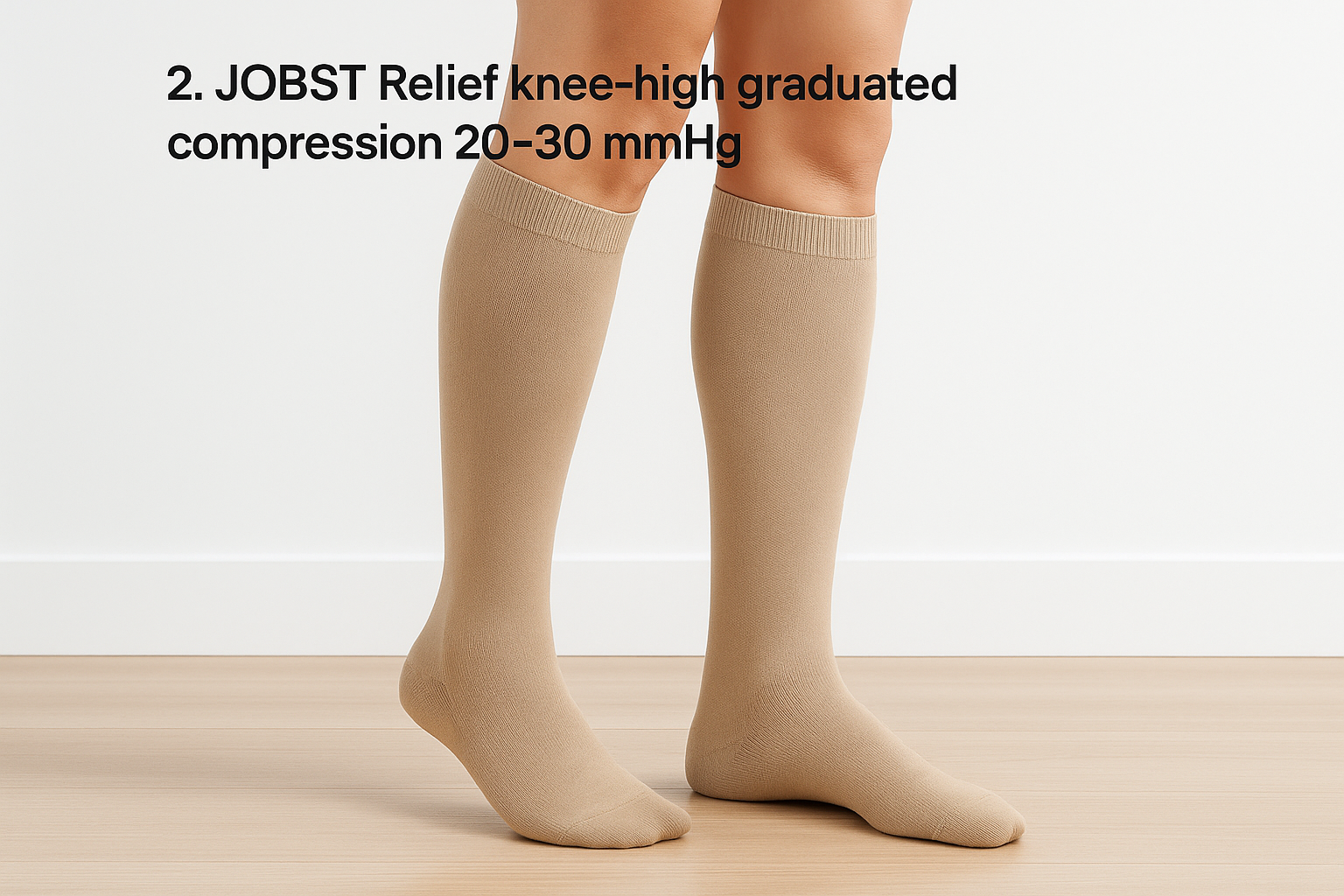
2. JOBST Relief knee-high graduated compression 20–30 mmHg
JOBST has been manufacturing medical-grade compression garments for decades, and the Relief line reflects that experience. These knee-high socks deliver 20-30 mmHg of graduated compression, meaning the pressure is strongest at the ankle and decreases as it moves up the calf. That gradient design is exactly what drives blood back toward the heart rather than letting it pool around your ankles.
Compression level and fit
The 20-30 mmHg range puts JOBST Relief squarely in the medical-grade compression category, which is the same tier podiatrists and vascular specialists typically prescribe for moderate to significant ankle swelling. The sock features a reinforced heel and toe box along with a non-binding top band that prevents the dreaded tourniquet effect some tighter socks create at the top of the calf. Sizing runs from small through extra-large and also includes a wide-calf option, which matters because a sock that bunches or constricts mid-calf undermines the graduated effect entirely.
Getting the right size in a 20-30 mmHg sock is not optional; an ill-fitting medical-grade compression garment can cut off circulation rather than support it.
Best for
JOBST Relief is one of the better choices when you are searching for the best compression socks for ankle swelling tied to venous insufficiency, moderate edema, or post-travel leg heaviness. The closed-toe design works well for daily wear inside shoes, and the reinforced construction holds up through repeated washing without losing its compression rating. People recovering from minor procedures or managing varicose veins who need a reliable over-the-counter option before a clinical fitting will find this sock performs consistently.
Price range
A single pair of JOBST Relief knee-high socks typically costs between $25 and $40, depending on the retailer and size. Multipacks bring that per-pair cost down, which is worth considering since rotating between two or three pairs extends the life of each. Some flexible spending accounts and health savings accounts cover JOBST Relief given its medical-grade compression rating, so check your plan before paying out of pocket.
3. Sigvaris Essential Opaque knee-high graduated compression 20–30 mmHg
Sigvaris is a Swiss compression garment manufacturer with a long track record in clinical settings, and the Essential Opaque line is one of its most widely used everyday options. These knee-high socks deliver 20-30 mmHg of graduated compression in a fabric that looks more like a dress sock than a medical garment, which matters to people who wear them to work or in professional settings.
Compression level and fit
The Essential Opaque applies its strongest pressure at the ankle and grades it upward through the calf, which is the correct mechanical design for pushing fluid away from areas where it pools. Sigvaris uses a two-thread construction process that maintains the compression gradient through repeated washing, something cheaper socks often fail at after ten to fifteen cycles. The sock comes in multiple calf circumference ranges, including a wider option, so you can get an accurate fit without stretching the sock beyond its functional range.
Compression socks that lose their pressure rating after a few washes are essentially wasted money, which is why construction quality matters as much as the initial mmHg rating.
Sigvaris recommends replacing these socks every four to six months with daily use, and the consistent feedback from clinical users supports that timeline for maintaining effective compression.
Best for
The Essential Opaque is one of the better picks when you need the best compression socks for ankle swelling but also want something that blends into a typical work wardrobe. It performs well for moderate venous insufficiency, prolonged standing occupations, and post-travel edema. The closed-toe design fits inside most dress shoes and athletic shoes without bunching at the toe box.
Price range
A single pair typically costs between $30 and $50 depending on size and the retailer. Sigvaris products are frequently covered under flexible spending accounts and health savings accounts, and some insurance plans classify them as durable medical equipment when prescribed for a diagnosed condition. Buying directly through a medical supplier often brings the cost down compared to specialty retail.
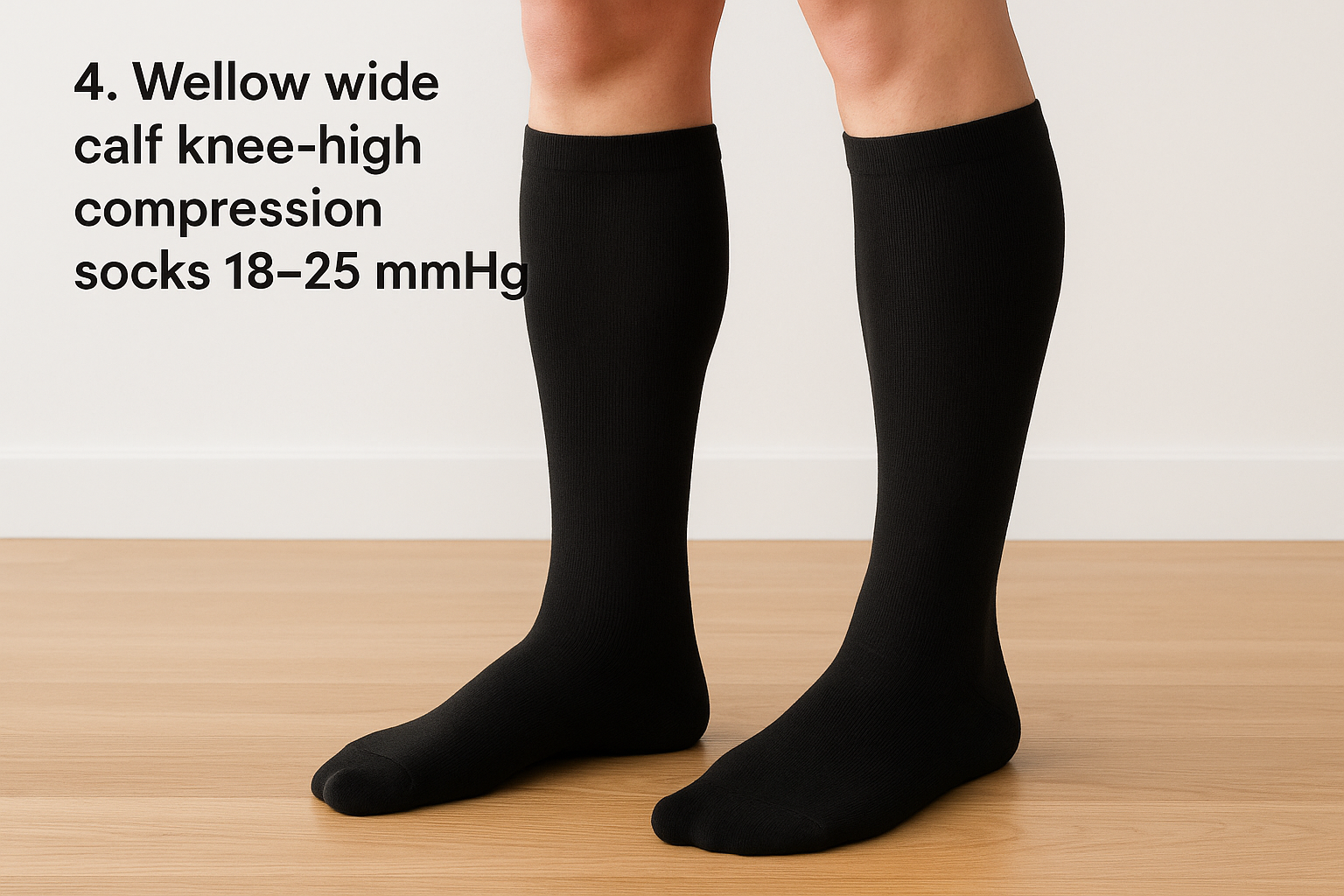
4. Wellow wide calf knee-high compression socks 18–25 mmHg
Wellow built its compression sock specifically for people who struggle to find a pair that fits comfortably around a wider calf. Standard compression socks cut into the upper leg when the calf circumference exceeds typical sizing charts, which negates the graduated effect and causes discomfort. Wellow addresses this directly with a wide-calf-first design that accommodates calf circumferences up to 23 inches without losing structural compression integrity.
Compression level and fit
These socks deliver 18-25 mmHg of graduated compression, which sits between the light-to-moderate and firm-medical-grade ranges. That makes them a practical middle ground for people whose ankle swelling is consistent but not severe enough to require a formal prescription. The fabric uses a four-way stretch construction that contours to the leg without creating pressure points at the calf band, which is the most common complaint among wider-calf compression sock users. Wellow also includes a cushioned footbed and reinforced heel, both of which add durability and comfort during all-day wear.
A compression sock that pinches at the top of the calf creates a tourniquet effect that traps fluid rather than moving it, which defeats the entire purpose of wearing compression in the first place.
Best for
Wellow is one of the more thoughtful picks when you are searching for the best compression socks for ankle swelling and have struggled with standard sizing. The sock works well for people with naturally wider calves, those who have experienced lymphedema-related limb changes, or individuals whose legs have changed shape after prolonged edema. It is also a strong option for extended travel, long shifts on your feet, or post-exercise recovery when you want reliable compression without the binding that narrower socks create.
Price range
A single pair of Wellow compression socks typically costs between $20 and $35, and the brand sells multipacks that reduce the per-pair cost. Wellow socks are eligible for FSA and HSA purchases through most account administrators, which brings the effective out-of-pocket cost down for many buyers.
5. Sockwell moderate graduated compression socks 15–20 mmHg
Sockwell is a Colorado-based brand that blends merino wool construction with functional compression, which sets it apart from most synthetic-only options on the market. The moderate graduated line delivers 15-20 mmHg of compression, making it one of the gentler clinical-range options available without a prescription. If you find heavier compression socks uncomfortable or are new to compression therapy, Sockwell gives you a real entry point without sacrificing quality.
Compression level and fit
The 15-20 mmHg pressure range sits at the lower end of clinically meaningful compression, appropriate for mild ankle swelling, general leg fatigue, and everyday circulatory support. Sockwell uses a merino wool and bamboo blend that regulates temperature more effectively than pure synthetic fabrics, which matters if you wear compression socks through long shifts in varying conditions. The graduated design applies the firmest pressure at the ankle and steps it down toward the knee, which is the correct directional flow for reducing peripheral edema.
Merino wool compression socks handle moisture and odor better than most synthetic alternatives, making them a practical choice for all-day wear across different environments.
Sockwell offers multiple calf circumference options and their sizing charts are detailed enough that most people can find an accurate fit without guessing. The reinforced arch band adds extra support underfoot, which is useful if you are also dealing with plantar discomfort alongside ankle swelling.
Best for
Sockwell is one of the better picks when you are looking for the best compression socks for ankle swelling that also works for active or outdoor use. The wool construction performs well in cooler climates and multi-season wear, and the moderate compression level suits people whose swelling is mild and consistent rather than severe. Athletes managing post-run edema and travelers on long hauls both find this sock useful.
Price range
A single pair typically costs between $25 and $45 depending on the style and retailer. Sockwell socks qualify for FSA and HSA purchases through most administrators, which lowers the effective cost for many buyers.
6. Comrad knee-high compression socks 15–20 mmHg
Comrad is a direct-to-consumer compression brand that has built a following by focusing on everyday wearability without sacrificing clinical function. Their knee-high compression socks deliver 15-20 mmHg of graduated compression in a construction that looks and feels closer to a quality athletic sock than a medical garment, which removes some of the resistance people have toward wearing compression daily.
Compression level and fit
The 15-20 mmHg graduated compression in Comrad’s knee-high sock applies the firmest pressure at the ankle and progressively eases toward the knee, which supports the upward movement of blood and fluid away from the lower leg. The fabric blend combines nylon and spandex in a ratio that maintains its compression rating consistently through multiple wash cycles, a common failure point in cheaper compression options. Comrad sizes its socks by shoe size and calf circumference together, which produces a more accurate fit than brands that rely on a single measurement.
A compression sock that fits correctly at the ankle but gaps or rolls at the calf loses its graduated effect entirely, making the fit process as important as the compression rating itself.
Best for
Comrad works well when you are searching for the best compression socks for ankle swelling tied to daily lifestyle factors rather than an acute medical condition. Office workers who sit for extended stretches, people who spend their shifts on hard floors, and travelers dealing with recurring mild edema all get consistent results from this sock. The moisture-wicking construction also makes it a practical choice for warmer months or heated indoor environments where heavier fabrics become uncomfortable.
Price range
A single pair of Comrad knee-high compression socks typically costs between $25 and $40, with bundle pricing available that reduces the per-pair cost when you buy two or more. Comrad socks are FSA and HSA eligible through most account administrators, so if you have a flexible spending or health savings account, the effective out-of-pocket cost drops considerably. The brand also offers a comfort guarantee, which lowers the risk of trying them for the first time.
7. Crazy Compression knee-high compression socks 15–20 mmHg
Crazy Compression takes a different approach than most brands by leading with bold patterns and color options while still delivering functional graduated compression. The variety makes daily compliance easier for people who resist wearing compression socks because they look medical or dull. If your barrier to consistent use is aesthetic, Crazy Compression removes that objection without cutting corners on the functional side.
Compression level and fit
These knee-high socks deliver 15-20 mmHg of graduated compression, applying the firmest pressure at the ankle and reducing it gradually as the fabric moves up the calf. The construction uses a nylon and spandex blend that holds its compression rating through regular washing, which is a common failure point in heavily patterned socks where aesthetic production can overshadow performance engineering. Crazy Compression sizes by shoe size and calf circumference, so you get a fit that accounts for both dimensions rather than relying on a single generic measure.
A sock that looks appealing but loses its mmHg rating after five washes delivers no lasting benefit, which is why checking a brand’s construction quality matters as much as its color options.
Sizing includes both standard and wide-calf options, which gives you a real choice if you have had trouble with bands cutting into your upper calf with other brands.
Best for
Crazy Compression is one of the practical picks when you are looking for the best compression socks for ankle swelling and need something you will actually wear every day. The variety of patterns and styles makes this brand a strong fit for nurses, teachers, retail workers, and anyone who spends a full shift on their feet and wants functional compression that does not look clinical. The 15-20 mmHg range suits mild to moderate ankle swelling from prolonged standing or extended travel rather than acute medical edema.
Price range
A single pair typically costs between $15 and $30, making Crazy Compression one of the more accessible options on this list. Many styles qualify for FSA and HSA purchases, so check your account before paying the full retail price out of pocket.
8. Vim & Vigr cotton knee-high graduated compression 15–20 mmHg
Vim & Vigr fills a specific gap in the compression sock market by offering a cotton-blend construction as an alternative to the nylon and spandex combinations that dominate most other brands. For people with sensitive skin or synthetic fabric reactions, that distinction is more than a preference; it directly affects whether they will wear the socks consistently enough to see results.
Compression level and fit
These knee-high socks deliver 15-20 mmHg of graduated compression, with the firmest pressure at the ankle stepping down progressively toward the knee. Vim & Vigr uses a cotton, nylon, and spandex blend rather than pure synthetic construction, which gives the sock a softer hand feel while still maintaining the structural integrity needed to hold a graduated compression gradient. Sizing accounts for both foot size and calf circumference, so you have a realistic path to a well-fitted sock without having to stretch it beyond its design range.
A compression sock that feels comfortable against the skin is one you will actually put on every morning, which makes fabric choice a practical factor in how effective your compression therapy turns out to be.
Best for
Vim & Vigr works well when you are searching for the best compression socks for ankle swelling and have found synthetic-heavy options irritating or uncomfortable against your skin. The cotton blend breathes better than pure nylon constructions, which makes these socks a reasonable choice for warmer months or indoor environments where synthetic fabrics trap heat against the leg. Patients managing mild daily edema from desk work or prolonged standing will find the moderate compression level appropriate, and the softer fabric makes them easier to wear for full shifts without developing skin irritation at the ankle or band line.
Price range
A single pair typically costs between $20 and $35 depending on the style and retailer. Vim & Vigr socks are FSA and HSA eligible through most account administrators, which reduces the effective out-of-pocket cost for buyers with flexible spending or health savings accounts.
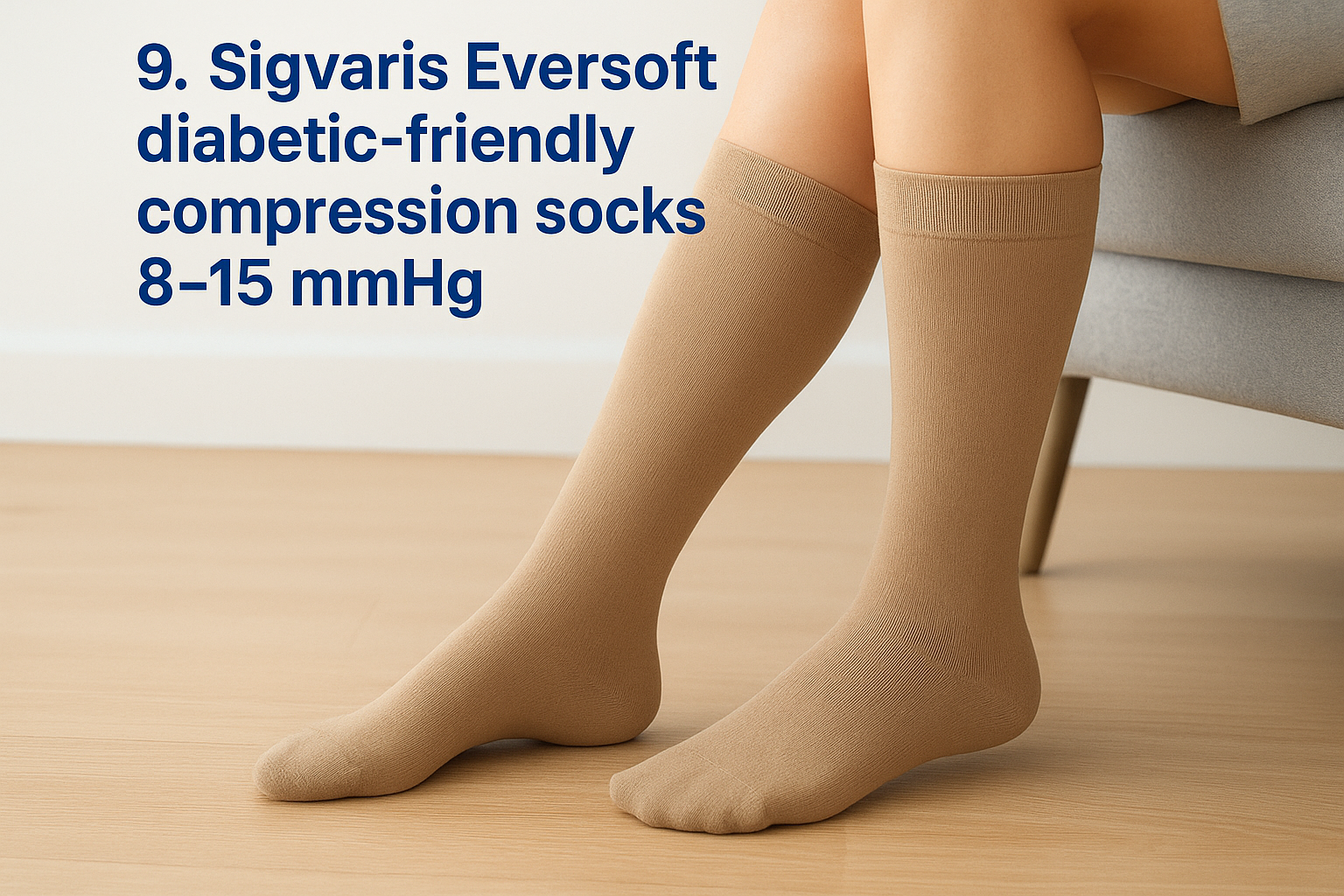
9. Sigvaris Eversoft diabetic-friendly compression socks 8–15 mmHg
Sigvaris designed the Eversoft line specifically for people with diabetes, peripheral neuropathy, or highly sensitive skin, where standard compression socks create real risks. Most compression socks feature seams, toe caps, and band edges that press against vulnerable tissue. The Eversoft addresses each of those pressure points with a seamless construction and non-binding top band, making it one of the few compression options genuinely appropriate for daily diabetic foot care.
Compression level and fit
The Eversoft delivers 8-15 mmHg of graduated compression, which sits at the gentler end of the therapeutic range. That pressure level is intentional. For patients with diabetes or compromised circulation, higher compression levels can restrict blood flow in ways that cause tissue damage rather than prevent it. The 8-15 mmHg range provides enough circulatory support to reduce mild ankle swelling and morning leg heaviness without placing excess load on fragile skin or already-stressed vascular tissue.
For anyone with diabetes, the compression level in a sock matters less than whether the construction avoids creating new pressure points on vulnerable tissue.
Sigvaris uses a soft, non-irritating yarn throughout the Eversoft that sits gently against the skin, including at the toe box and heel where seams most often cause friction injuries in standard socks. Sizing covers a full range of foot and calf measurements, and the sock comes in both closed-toe and open-toe versions.
Best for
The Eversoft is the right pick when you are searching for the best compression socks for ankle swelling and managing diabetes or peripheral neuropathy alongside it. The seamless design and mild compression also make it appropriate for patients with chronic wounds, post-surgical skin sensitivity, or elderly individuals whose skin integrity has decreased over time.
Price range
A single pair typically costs between $25 and $45 depending on size and the retailer. Many insurance plans cover diabetic-specific compression garments as durable medical equipment when prescribed by a physician, which can reduce or eliminate the out-of-pocket cost for eligible patients.
10. Smartwool run compression over-the-calf socks 20–30 mmHg
Smartwool built its reputation in performance outdoor and athletic socks, and the run compression over-the-calf line brings that same material expertise into the therapeutic compression range. These socks combine merino wool construction with 20-30 mmHg of graduated compression, which puts them at the firmer end of what you will find without a prescription while still offering the temperature-regulating and moisture-managing properties that merino is known for.
Compression level and fit
At 20-30 mmHg of graduated compression, these socks apply clinically meaningful pressure at the ankle and step it down progressively through the calf, which supports blood and fluid movement toward the heart rather than letting it settle around the ankle joint. Smartwool uses a merino wool and nylon blend that maintains the compression gradient through repeated high-heat washing cycles, which is a practical advantage over socks that lose their pressure rating within a few months of regular use. The over-the-calf length gives the sock more surface contact with the leg than a standard knee-high cut, which some people find more stable during movement.
Merino wool at a 20-30 mmHg compression level gives you clinical pressure without the synthetic heat buildup that makes many medical-grade socks uncomfortable during extended activity.
Sizing accounts for both shoe size and calf circumference, so you have a clear path to an accurate fit rather than guessing between a small and medium based on a single dimension.
Best for
This sock is one of the stronger picks when you are searching for the best compression socks for ankle swelling that occurs during or after physical activity. The merino construction handles sweat and odor better than pure synthetic options, making it well-suited for runners, hikers, and anyone whose ankle swelling ties directly to exercise. The 20-30 mmHg range also works for moderate venous insufficiency and post-travel edema in active individuals who want a sock that transitions from the trail to everyday wear.
Price range
A single pair typically costs between $30 and $50 depending on the retailer and size. Smartwool compression socks are eligible for FSA and HSA purchases through most account administrators, which reduces the effective cost for buyers who have flexible spending or health savings accounts available.
Next steps for calmer ankles
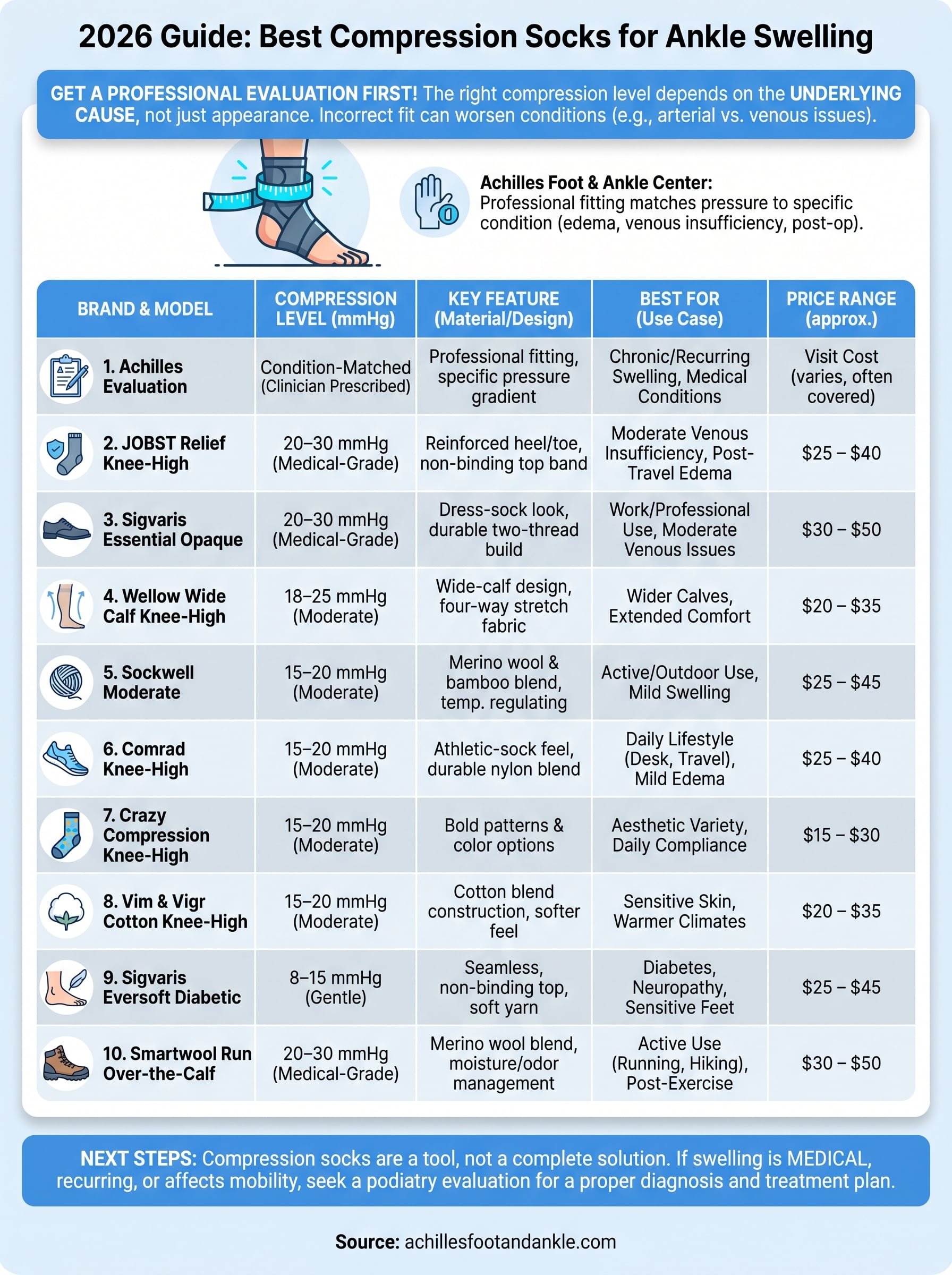
Finding the best compression socks for ankle swelling is a solid starting point, but the right sock is only part of the answer. The underlying cause of your swelling determines how much compression you need, how long to wear it, and whether additional treatment is necessary. A well-fitted compression sock can reduce daily discomfort significantly, but recurring or worsening ankle swelling is a signal worth taking seriously rather than managing on your own indefinitely.
Your next move is clear. If your swelling ties to a medical condition, impacts your daily mobility, or has not responded to over-the-counter options, a podiatry evaluation gives you a specific diagnosis and a treatment plan built around your situation. The team at Achilles Foot and Ankle Center serves thirteen locations across Central Virginia and offers same-day appointments for patients who need timely care. Start there.