Choosing the best foot arch support insoles can feel overwhelming when you’re staring at a wall of options at the store, or scrolling through hundreds of listings online. Not all insoles are built the same, and the wrong pair can actually make foot pain worse.
At Achilles Foot and Ankle Center, our podiatrists across Central Virginia fit patients with orthotic solutions every single day. We treat everything from plantar fasciitis and flat feet to chronic arch pain, and we know exactly what separates a quality insole from a waste of money. That clinical experience is what drives the recommendations in this guide.
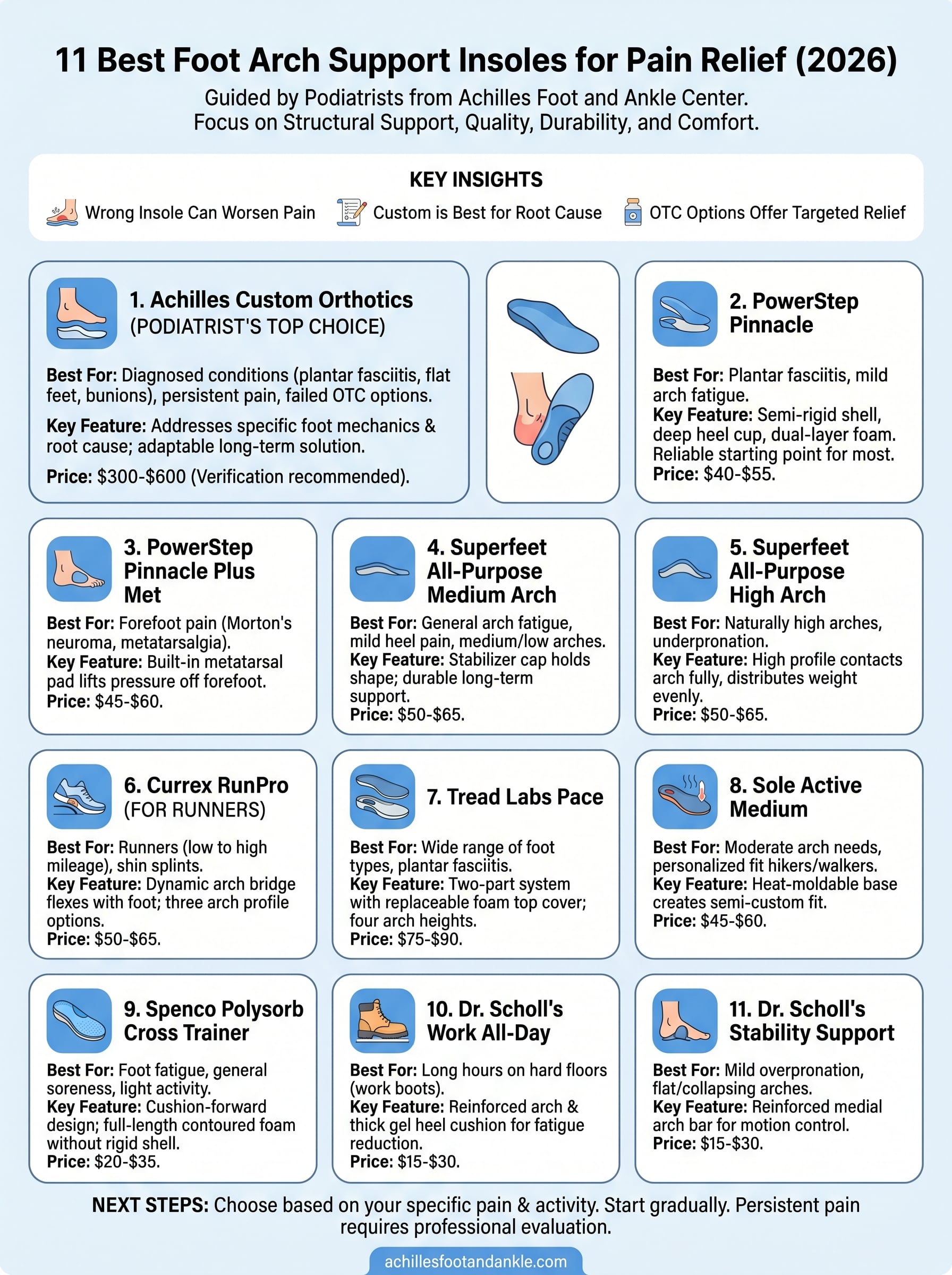
We put together this list of 11 top-performing over-the-counter arch support insoles based on the features that matter most: structural support, material quality, durability, and real-world comfort. Whether you’re dealing with persistent heel pain, recovering from an injury, or simply want better support during long days on your feet, there’s an option here for you.
Below, you’ll find each insole broken down by what it does best, who it’s best suited for, and where it falls short, so you can make a confident, informed decision.
1. Achilles Custom Orthotics
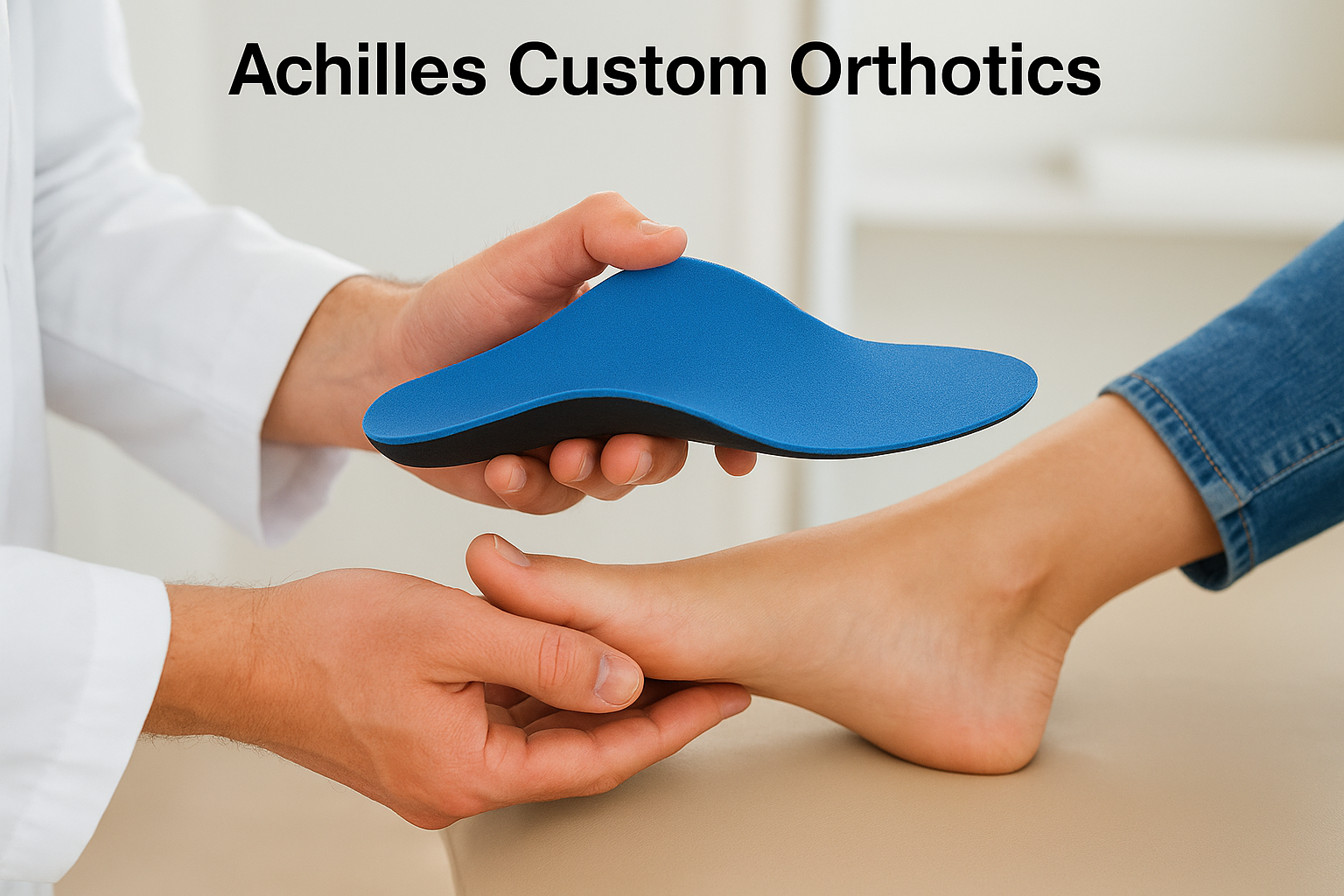
When you’re evaluating the best foot arch support insoles, the one option that consistently outperforms every over-the-counter product is a custom orthotic fitted specifically to your foot. At Achilles Foot and Ankle Center, our podiatrists design orthotics from a detailed biomechanical exam and a precise mold of your foot, so every degree of support is built around your actual anatomy rather than an average foot shape.
How it supports your arch
Custom orthotics address your specific foot mechanics rather than a generic arch profile. Our podiatrists measure your arch height, heel alignment, and gait pattern to create a device that redirects pressure, corrects overpronation or supination, and reduces stress on inflamed tissue where you need it most.
A custom orthotic treats the root cause of your foot pain – that’s a distinction no off-the-shelf insole can make.
Unlike prefabricated insoles, custom orthotics can be adjusted as your condition evolves, giving you an adaptable long-term solution rather than a product you outgrow in six months.
Best for
These orthotics are the right fit if you have a diagnosed condition that requires precise biomechanical correction. Common candidates include:
- Plantar fasciitis
- Flat feet or significantly high arches
- Bunions and forefoot deformities
- Posterior tibial tendon dysfunction
- Diabetic foot complications requiring pressure offloading
Athletes dealing with repetitive stress injuries and patients who have cycled through multiple OTC insoles without finding relief are also strong candidates for a custom device.
Fit and break-in notes
Your podiatrist fits the orthotics to a specific pair of shoes during your appointment, so bring the footwear you plan to use most. Plan on a one-to-two-week adjustment period, starting with a few hours of wear per day and building up gradually from there.
Some patients notice mild muscle fatigue in the early break-in phase as their foot and ankle mechanics shift. If sharp pain or new discomfort develops, contact your provider promptly, because a minor adjustment almost always resolves the issue.
Typical price range
Without insurance, custom orthotics typically cost $300 to $600 per pair. Many plans, including Medicare, cover a portion of the expense when the orthotics are medically necessary and prescribed by a podiatrist.
Your provider’s office can verify your benefits in advance so you know what to expect out of pocket before your appointment.
2. PowerStep Pinnacle
The PowerStep Pinnacle is one of the most widely recommended over-the-counter insoles in podiatry offices. It combines a semi-rigid polypropylene shell with a deep heel cup to deliver structured support that most foam-only insoles simply cannot match.
How it supports your arch
PowerStep built the Pinnacle around a neutral arch profile that works well for people with low to medium arch height. The firm base controls mild overpronation by keeping your heel properly aligned, while the dual-layer foam on top absorbs impact and reduces pressure across the ball of your foot.
Best for
This insole is a strong choice if you’re dealing with plantar fasciitis or mild arch fatigue from long hours on your feet. It fits well in athletic shoes and many casual sneakers.
- Plantar fasciitis
- Mild to moderate overpronation
- Standing or walking for extended periods
If you’re searching for the best foot arch support insoles without a prescription, the Pinnacle is a reliable starting point for most foot types.
Fit and break-in notes
The Pinnacle comes in trimmed size ranges, so you may need to cut it slightly to fit your shoe. Give yourself three to five days to adjust to the firmer base before wearing it all day.
Typical price range
You can expect to pay $40 to $55 for a pair, making the Pinnacle one of the more affordable structured insoles available without a prescription.
3. PowerStep Pinnacle Plus Met
The PowerStep Pinnacle Plus Met builds on the standard Pinnacle by adding a built-in metatarsal pad behind the ball of your foot. If you’ve tried the original Pinnacle and still notice pressure or numbness in the forefoot, the Plus Met addresses exactly that gap.
How it supports your arch
The semi-rigid arch shell delivers the same neutral support as the base Pinnacle model, but the elevated metatarsal pad spreads the bones of your forefoot apart and lifts pressure off the metatarsal heads. That combination makes this insole particularly effective at reducing burning or aching sensations that shoot across the ball of your foot during activity.
If forefoot pain is part of your picture, this is one of the best foot arch support insoles that handles both arch and metatarsal issues in a single device.
Best for
This insole suits people whose foot pain includes a forefoot component alongside arch fatigue. It works well for:
- Morton’s neuroma or nerve irritation in the forefoot
- Metatarsalgia (pain across the ball of the foot)
- Plantar fasciitis with secondary forefoot pressure
Fit and break-in notes
The metatarsal pad adds a small amount of thickness under the forefoot, so shoes with a roomier toe box work best. Plan on four to seven days of gradual wear before going full-day use, since the pad placement takes time to feel natural.
Typical price range
Expect to spend $45 to $60 per pair, a modest step up from the standard Pinnacle given the added forefoot feature.
4. Superfeet All-Purpose Medium Arch
The Superfeet All-Purpose Medium Arch takes a different approach from PowerStep by using a high-density foam cap combined with a structured stabilizer cap to create support that holds its shape through extended daily use. If you’ve found foam-only insoles flatten out too quickly, Superfeet’s construction addresses that problem directly.
How it supports your arch
Superfeet designed this insole around a medium-profile arch shape that fits most people with a neutral to slightly low arch. The stabilizer cap under the heel locks your rearfoot into alignment, which reduces the rolling motion that often drives arch fatigue and plantar fascia strain over the course of a long day.
A stabilizer cap that holds its shape after months of use is a key feature separating quality insoles from budget options.
Best for
This insole performs well across a wide range of shoe types, including casual sneakers, work boots, and light hiking footwear. It suits you well if your primary complaint is general arch fatigue or mild heel pain rather than a specific diagnosed condition. Among the best foot arch support insoles at this price point, it offers reliable everyday support for:
- Mild flat feet
- Prolonged standing or walking
- Light to moderate activity
Fit and break-in notes
The stabilizer cap is firm, so plan on four to six days of gradual wear before going full-day use. Trim-to-fit sizing means you will likely need to cut the insole to match your shoe’s outline.
Typical price range
A pair runs $50 to $65, which lands in the mid-range for structured over-the-counter insoles.
5. Superfeet All-Purpose High Arch
The Superfeet All-Purpose High Arch shares the same durable stabilizer cap construction as the medium arch version but raises the profile significantly to give people with naturally high arches the lift and correction they actually need. If the medium model left you feeling like the arch wasn’t quite meeting your foot, this version closes that gap.
How it supports your arch
The elevated arch profile on this insole contacts the underside of a high arch more fully than standard neutral insoles, which means your weight distributes more evenly across the entire foot rather than concentrating at the heel and ball. The rigid stabilizer cap still locks your heel into alignment, and the high-density foam layer on top cushions impact without letting the insole compress flat under load.
Among the best foot arch support insoles for high arches specifically, this Superfeet model stands out because it actually meets the foot where it sits rather than leaving a gap under the arch.
Best for
This insole fits people who have struggled to find adequate contact and support with standard OTC options. It suits athletic and casual footwear well and works for:
- High arches with associated heel pain or arch strain
- Underpronation (supination) patterns
- Long-distance walking or standing shifts
Fit and break-in notes
The higher arch can feel aggressive at first, so start with two to three hours per day and build up over five to seven days. Trim-to-fit sizing applies here as well.
Typical price range
A pair costs $50 to $65, matching the medium arch version in price.
6. Currex RunPro
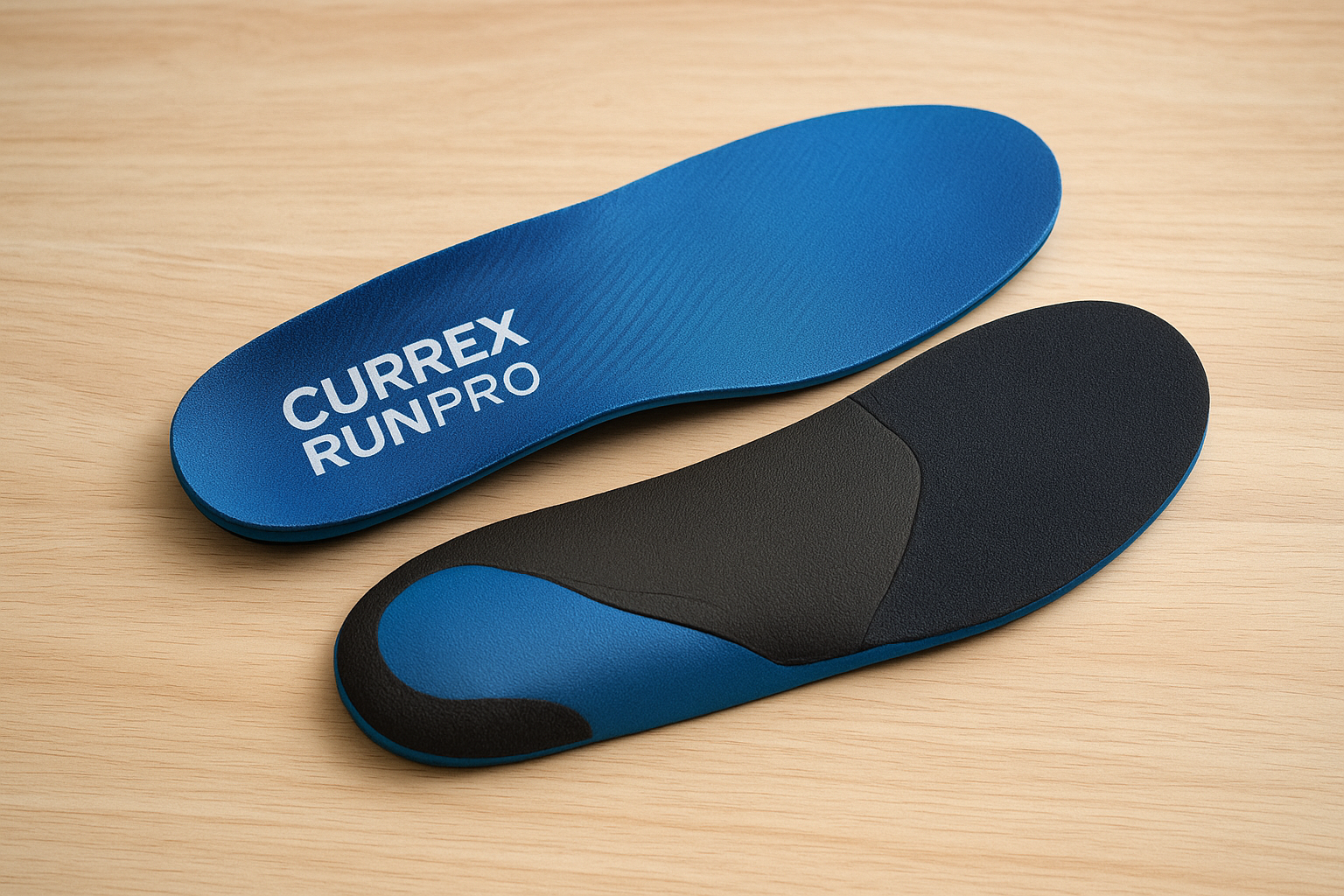
The Currex RunPro is built specifically for runners, which sets it apart from most options on this list. It comes in three arch profile options (low, medium, and high), so you match the insole to your actual foot shape rather than settling for a generic neutral design. That level of specificity makes it one of the more targeted best foot arch support insoles available for performance athletic use.
How it supports your arch
The RunPro uses a dynamic arch bridge that flexes with your foot during the push-off phase of your stride rather than staying rigid underfoot. That flexibility distributes load more naturally across your arch throughout your gait cycle, reducing the repetitive stress that accumulates during high-mileage training weeks.
Matching the insole profile to your actual arch height is one of the most overlooked steps runners skip when choosing foot support.
Best for
This insole fits best in low-profile running shoes with limited built-in insole thickness. It performs well for:
- Runners logging moderate to high weekly mileage
- Overpronation or high-arch compensation patterns
- Shin splints tied to poor foot mechanics
Fit and break-in notes
The RunPro runs slightly thin by design to fit snugly inside performance running shoes without adding unnecessary bulk. Because the arch profiles vary in firmness, high-arch versions feel more noticeable at first. Most runners fully adapt within three to four days of gradual wear.
Typical price range
A pair costs $50 to $65, which is competitive for a sport-specific insole built across three distinct arch profiles.
7. Tread Labs Pace
The Tread Labs Pace stands out from most insoles on this list because it uses a two-part system: a firm arch support base combined with a replaceable foam top cover. When the cushioning wears out, you swap the top cover instead of buying a whole new insole, which significantly extends the useful life of your investment.
How it supports your arch
Tread Labs offers the Pace in four arch height options (low, medium, high, and extra-high), giving you more precision than most over-the-counter products allow. The rigid base holds its structure over time, delivering consistent arch correction and heel stabilization without the gradual softening that undermines standard foam-based insoles after a few months of regular use.
Four distinct arch heights make the Pace one of the best foot arch support insoles for people who have struggled to match standard neutral designs to their actual foot shape.
Best for
The Pace suits a wide range of foot types and daily activities, pairing firm arch correction with enough cushioning for all-day wear. It works particularly well for:
- Flat feet or moderate to high arches
- Plantar fasciitis requiring durable, lasting support
- Everyday walking shoes and casual footwear
Fit and break-in notes
Plan on a gradual adjustment period of five to seven days, starting with a few hours of wear per day before going full-day use. The Pace trims to fit, so use your existing shoe insole as a cutting template when sizing down.
Typical price range
A pair runs $75 to $90, reflecting the modular design and longer usable lifespan compared to single-piece insoles.
8. Sole Active Medium
The Sole Active Medium takes a unique approach by using body heat to mold the insole to your individual foot shape. Out of the box, you warm the insole briefly in an oven, then stand on it while it cools, creating a semi-custom fit that standard prefabricated options cannot replicate.
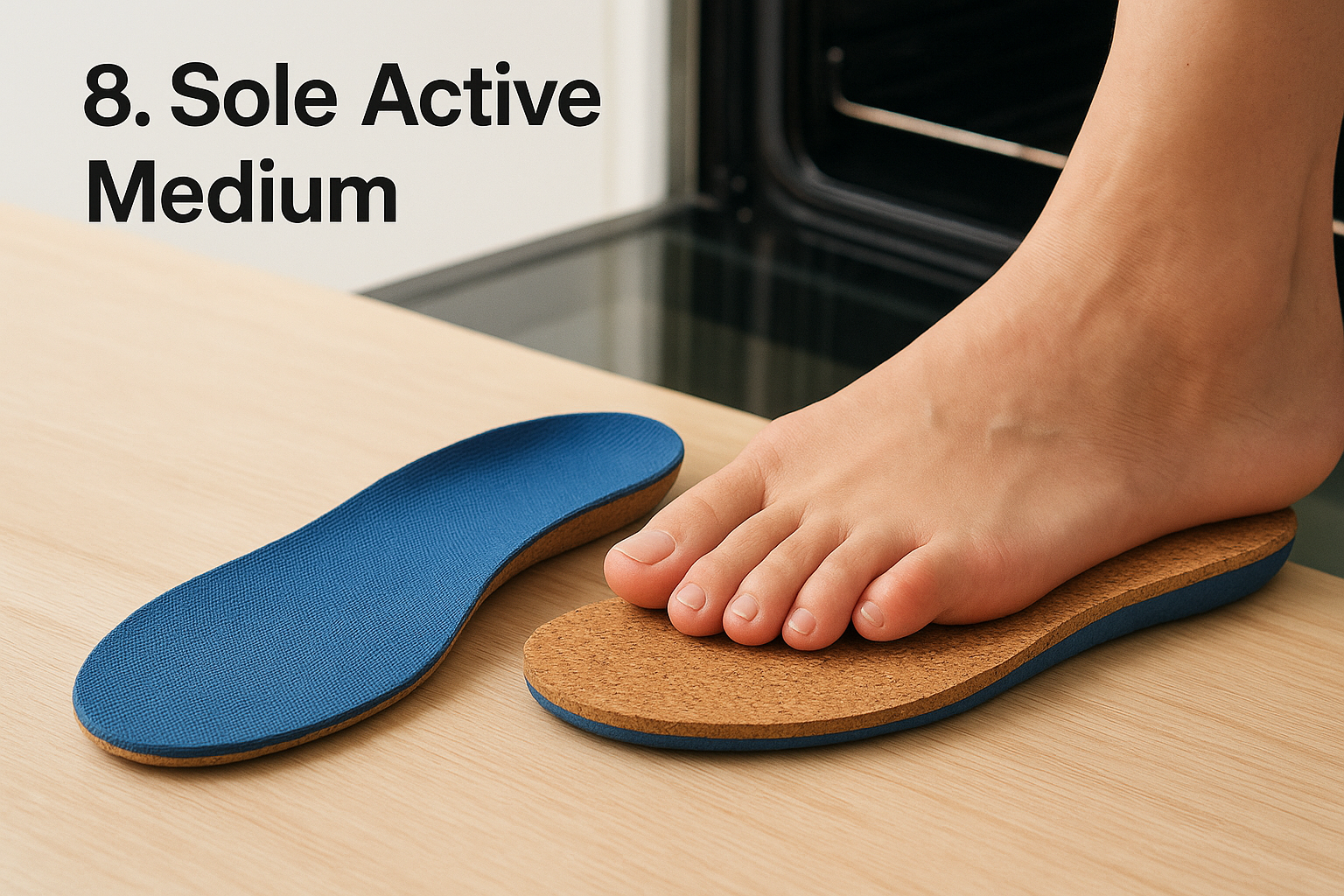
How it supports your arch
The Sole Active Medium uses a cork and EVA foam base that softens with heat and conforms to your specific arch contour. Once set, it delivers consistent support across the midfoot that holds its shape through months of regular use. For people who fall between arch height categories, this moldable construction closes the fit gap that often makes standard insoles feel slightly off.
A heat-moldable insole is one of the closest experiences you can get to a custom fit without a podiatrist’s appointment, which is why it earns a spot among the best foot arch support insoles at this price point.
Best for
The Sole Active Medium suits a wide range of everyday and athletic footwear, including trail shoes and casual sneakers. It works best for:
- Moderate arch support needs
- Mild to moderate plantar fasciitis
- Hikers and walkers who want a personalized fit
Fit and break-in notes
Follow the heat-molding instructions carefully on the first use to get a clean impression. Most people adapt within two to three days, faster than many rigid insoles because the fit already matches your foot.
Typical price range
A pair typically costs $45 to $60.
9. Spenco Polysorb Cross Trainer
The Spenco Polysorb Cross Trainer is a cushion-forward insole that prioritizes impact absorption over rigid structural correction. It fits a wide range of athletic shoes and works well for people whose primary complaint is foot fatigue and general soreness rather than a specific biomechanical issue.
How it supports your arch
The Polysorb uses a contoured foam base that provides moderate arch contact without the firm polypropylene shell you find in more structured insoles. The cushioning layer runs the full length of the insole, spreading ground impact evenly from heel strike through toe-off. For people with mild arch needs, that even distribution reduces the focal pressure points that cause fatigue over long activity periods.
Among the best foot arch support insoles focused on all-day cushioning, the Polysorb Cross Trainer delivers solid comfort for light to moderate activity without requiring a break-in period.
Best for
This insole suits people who want low-profile cushioning with light arch contact rather than firm correction. It pairs well with cross-training shoes and everyday athletic footwear, and works well for:
- Light gym use and casual walking
- Mild arch fatigue without significant overpronation
- People sensitive to firmer insole structures
Fit and break-in notes
The Polysorb Cross Trainer is one of the softer insoles on this list, so most people adapt to it within one to two days. It comes in standard shoe sizes rather than trim-to-fit, so matching your size carefully at purchase matters more here than with other options.
Typical price range
A pair typically costs $20 to $35, making it one of the most budget-friendly structured options available.
10. Dr. Scholl’s Work All-Day
The Dr. Scholl’s Work All-Day insole is designed specifically for people who spend long hours on hard surfaces, like concrete floors in warehouses, kitchens, or retail environments. It prioritizes fatigue reduction and shock absorption over rigid biomechanical correction, making it a practical pick for occupational foot pain.
How it supports your arch
This insole uses a reinforced arch support layer combined with a thick gel heel cushion to manage the two biggest complaints from workers on their feet all day: arch fatigue and heel impact. The arch structure is firmer than basic foam insoles but softer than polypropylene shell designs, landing in a middle zone that suits most neutral to low arch types without feeling aggressive underfoot.
Among the best foot arch support insoles built for work environments, the Work All-Day hits a practical balance between support and all-day cushion that budget options miss.
Best for
This insole suits workers who log eight or more hours on hard floors and need steady support without the bulk of a performance insole. It fits well in:
- Work boots and safety footwear
- Slip-resistant kitchen or retail shoes
- Casual footwear used during long standing shifts
Fit and break-in notes
Most people adjust to this insole within one to two days because the cushioning layer softens the transition. It comes in standard trimmed size ranges, so cut to your shoe’s outline using the existing insole as a guide before wearing.
Typical price range
A pair typically costs $15 to $30, making it one of the most accessible options on this list.
11. Dr. Scholl’s Stability Support
The Dr. Scholl’s Stability Support insole targets a different problem than the Work All-Day model. Where that insole focuses on cushioning for hard surfaces, the Stability Support is built around motion control for people whose feet roll inward during walking or standing. It addresses mild to moderate overpronation with a firmer structure than most other Dr. Scholl’s products.
How it supports your arch
The Stability Support uses a reinforced medial arch bar that runs along the inner edge of the insole to resist inward rolling and keep your heel tracking straight. That motion control element, combined with a moderate heel cup, makes this one of the more structured options in the Dr. Scholl’s lineup. For people with flat feet or collapsing arches, it provides a meaningful level of correction without crossing into the firmness of a polypropylene shell insole.
Among the best foot arch support insoles at a budget price point, the Stability Support delivers motion control that most low-cost cushion insoles skip entirely.
Best for
This insole suits people dealing with mild overpronation linked to flat arches or general arch collapse. It fits well in:
- Casual sneakers and everyday walking shoes
- Light athletic footwear
- Wider-toe-box shoes with room for a firm base
Fit and break-in notes
Most people adapt within two to three days because the construction is moderately firm rather than rigid. Trim-to-fit sizing applies, so use your existing insole as a cutting template before wearing.
Typical price range
A pair typically costs $15 to $30, keeping it accessible for budget-conscious shoppers.
Next steps
Every person on this list covers a specific need, from budget-friendly daily cushioning to sport-specific arch correction. If you identified two or three options that match your foot type and activity level, that is a good starting point. Order one, wear it gradually for the first week, and pay attention to whether your heel, arch, and forefoot all feel supported rather than just cushioned.
That said, the best foot arch support insoles on any store shelf still work from a standard foot mold rather than your foot specifically. If you have already tried several over-the-counter options without finding consistent relief, that is a clear signal your mechanics need a closer look. Persistent pain, worsening symptoms, or a diagnosed condition like plantar fasciitis or flat feet responds far better to a custom device built around your actual anatomy.
Our podiatrists across Central Virginia are ready to help. Book a same-day appointment and get a proper evaluation before the pain limits your daily routine.