Overpronation is one of the most common biomechanical issues we see at Achilles Foot and Ankle Center. When your foot rolls too far inward during each step, it shifts stress up through the ankle, knee, and hip, leading to pain that often seems unrelated to your feet. The right pair of arch support shoes for overpronation can make a real difference, but the sheer number of options on the market makes choosing the right shoe harder than it should be.
Our podiatrists across Central Virginia treat overpronation daily, using gait analysis and clinical evaluation to understand how each patient’s feet actually move. That hands-on experience gives us a clear perspective on what works, and what’s just clever marketing on a shoe box. We put together this guide based on the structural features and support systems that matter most for controlling excessive inward roll.
Below, you’ll find 12 shoes we recommend in 2026 for overpronators, broken down by use case, whether you’re a runner logging serious miles, someone who walks all day for work, or a patient managing flat feet or posterior tibial tendon dysfunction. Each pick was evaluated for medial post support, midsole density, heel counter stiffness, and overall fit. We also cover how to tell if you actually overpronate, what to look for in a stability shoe, and when footwear alone isn’t enough and it’s time to see a specialist.
1. Achilles Foot and Ankle Center Eval and Orthotics
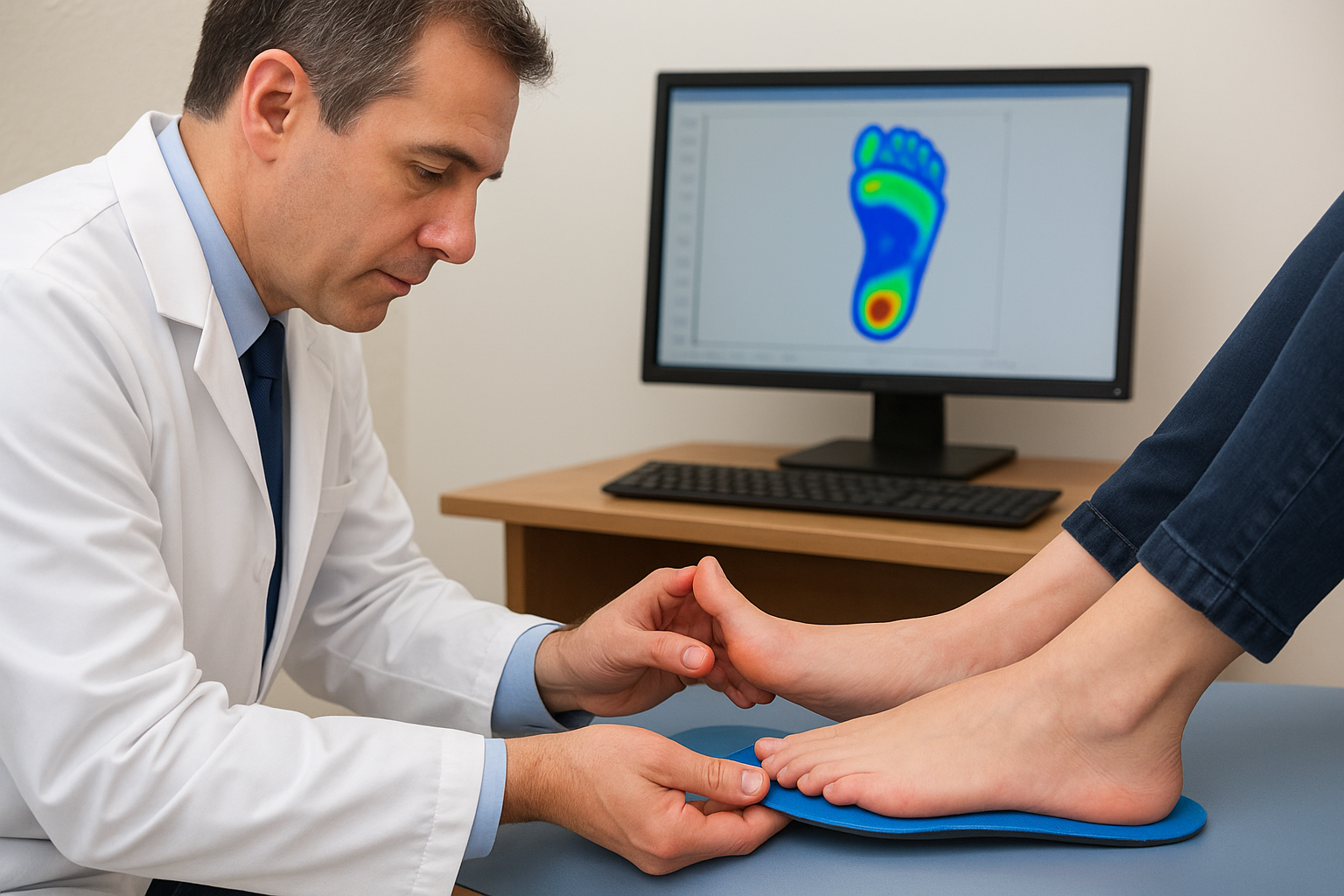
Before any shoe goes on your foot, the most valuable step you can take is getting a professional gait analysis and clinical foot evaluation. Arch support shoes for overpronation can reduce pain and protect your joints, but they work best when you know exactly how much your foot rolls, where you carry pressure, and whether other structural issues are driving your symptoms. At Achilles Foot and Ankle Center, our podiatrists start every patient with a thorough clinical evaluation before making any footwear or orthotic recommendations, so the solution actually fits the problem.
Why it helps overpronation
Over-the-counter stability shoes are built for a general overpronator profile, not your specific foot. Custom orthotics, by contrast, are fabricated using a precise mold or digital scan of your foot, so every millimeter of support targets your actual mechanics. When paired with the right shoe, a custom orthotic corrects the inward collapse at the subtalar joint, redistributes pressure away from the medial arch, and reduces compensatory stress traveling up through the ankle, knee, and lower back.
A stability shoe addresses the category of overpronation; a custom orthotic addresses your version of it.
Gait analysis at our clinics uses digital pressure mapping and visual assessment to identify whether your overpronation is flexible or rigid, mild or severe. That distinction matters because a mild flexible overpronator often does well in a structured stability shoe, while a rigid flat foot with significant pronation frequently needs orthotic correction that no off-the-shelf shoe can provide on its own. Knowing which category you fall into before you spend money on footwear saves both time and discomfort.
Best for
This option is best for anyone dealing with chronic heel pain, posterior tibial tendon dysfunction, plantar fasciitis, or recurring ankle sprains tied to poor arch mechanics. It’s also the right starting point if you’ve already cycled through two or more stability shoes and still feel pain, or if you’re unsure whether overpronation is actually the root cause of your symptoms rather than a secondary factor.
Patients managing diabetes or peripheral neuropathy benefit especially from a professional evaluation before purchasing footwear, since pressure distribution errors in that population can lead to serious and sometimes irreversible complications, including wounds and ulcerations that are difficult to heal.
What to know before you book
Most insurance plans, including Medicare and Medicaid, cover a podiatric evaluation, and many cover custom orthotics when medically indicated. Achilles Foot and Ankle Center accepts all major insurance plans and offers same-day appointments across thirteen locations throughout Central Virginia. Bring your current shoes to the appointment so the clinician can assess the wear patterns on the outsole, which consistently reveal a great deal about how your foot loads and rolls through each step.
Your evaluation typically takes under an hour. You’ll leave with a concrete, individualized recommendation, whether that means a specific shoe category, a custom orthotic, a combination of both, or a referral for further imaging if a structural issue needs closer attention before treatment begins.
2. Brooks Adrenaline GTS 25
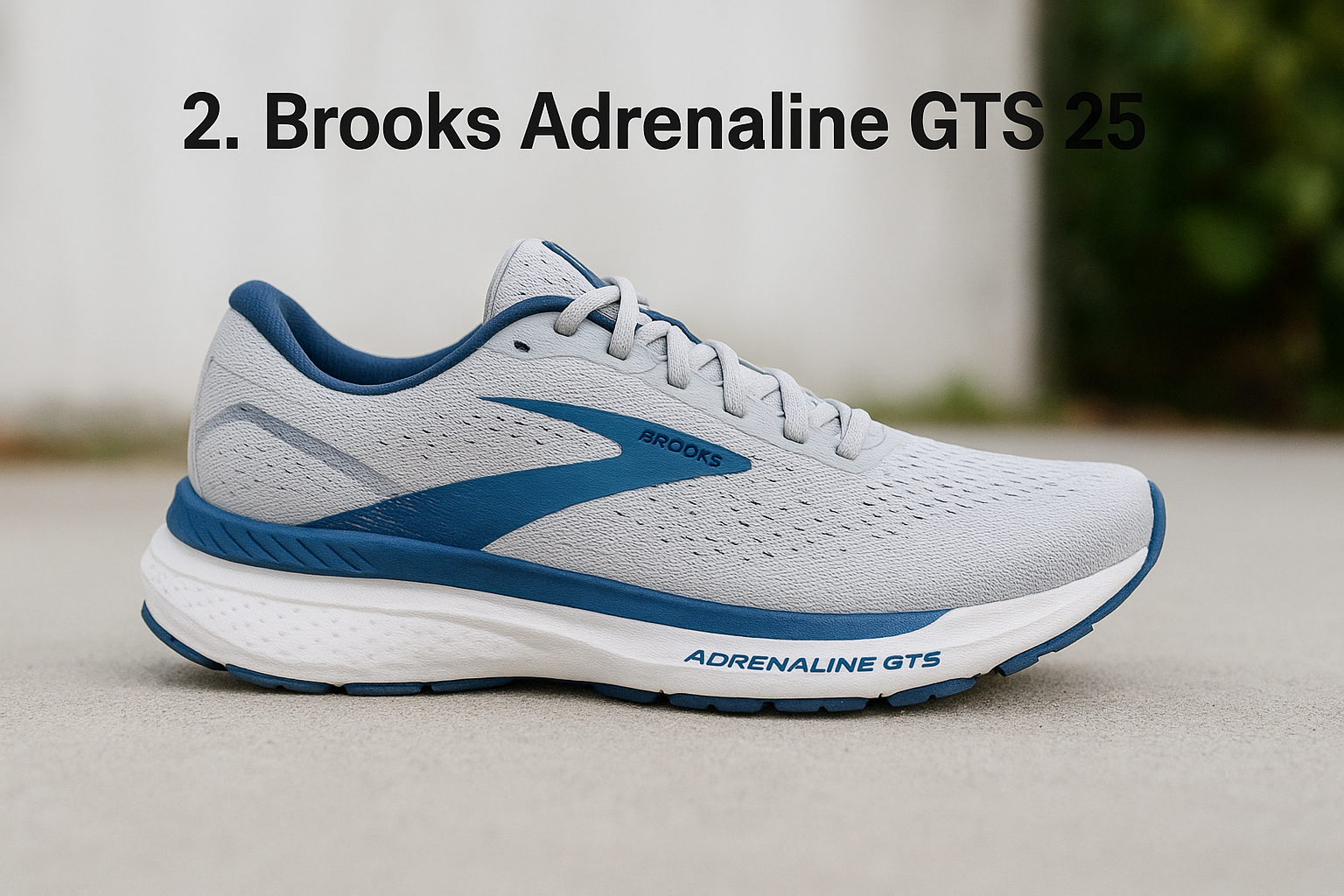
The Brooks Adrenaline GTS 25 is one of the most consistently recommended arch support shoes for overpronation on the market, and for good reason. Brooks has refined this model across more than two decades, and the 25th version delivers reliable medial support with enough cushioning to handle both daily training runs and long-distance efforts.
Why it helps overpronation
Brooks built the GTS 25 around its GuideRails support system, which limits excess movement at the heel and ankle rather than simply pushing up on the arch. Most traditional stability shoes use a medial post, a denser foam wedge on the inside edge of the midsole, to resist inward roll. GuideRails works differently by placing support along both sides of the heel, catching motion when your foot strays outside its natural path. The result is a more dynamic correction that reduces strain on the knees and ankles without overcorrecting your stride.
GuideRails addresses total movement at the heel rather than just arch collapse, which makes it effective for overpronators who also experience knee tracking issues.
Best for
This shoe works best for runners and walkers logging moderate to high weekly mileage who need consistent stability without a stiff, rigid feel underfoot. It suits neutral-to-moderate overpronators particularly well, but runners with severe flat feet or significant posterior tibial tendon issues may need additional orthotic support placed inside the shoe to get full benefit.
What to know before you buy
The Adrenaline GTS 25 comes in standard and wide widths for both men and women, which matters because a too-narrow fit can worsen arch strain over longer distances. The midsole uses Brooks’ DNA LOFT v3 foam, which delivers a softer ride than previous versions without sacrificing the structure overpronators depend on. Plan for a break-in period of roughly 20 to 30 miles before the shoe conforms fully to your foot shape. Retail price typically sits around $140.
3. ASICS Gel Kayano 32
The ASICS Gel Kayano 32 is a premium stability shoe that has anchored the brand’s overpronation lineup for decades. The 32nd iteration refines the formula with updated foam technology and a redesigned guidance system that feels more natural underfoot than earlier versions while delivering the structured support overpronators need across long runs and extended walks.
Why it helps overpronation
The Kayano 32 controls inward roll through its 4D Guidance System, a multi-density midsole construction that places firmer foam along the medial side of the shoe to resist excessive collapse at the arch. Unlike a simple medial post, this system integrates the support throughout the midsole stack, so the correction happens progressively rather than abruptly. The FF BLAST+ ECO midsole foam adds responsive cushioning on top of that structure, giving you a shoe that absorbs impact without feeling spongy or unstable during push-off.
The Kayano 32 balances high cushioning with firm medial control, which makes it one of the few stability shoes that works equally well for runners and all-day walkers.
Best for
This shoe suits moderate to severe overpronators who want a plush ride without sacrificing control. It performs well for runners logging longer distances, but it also works for people who spend full days on hard floors or pavement. If you’re dealing with plantar fasciitis or heel pain alongside overpronation, the GEL cushioning units in the heel and forefoot help absorb shock at the points where tension tends to build.
What to know before you buy
The Kayano 32 runs true to size in most cases, but wide-width options are available and worth considering if your forefoot tends to spread under load. The shoe carries a retail price around $160, placing it at the higher end of the stability category. The additional cost reflects the quality of materials, and most users find the durability justifies the price over 400 to 500 miles of use. If you wear custom orthotics, confirm the removable sockliner is thick enough to accommodate them before your first run.
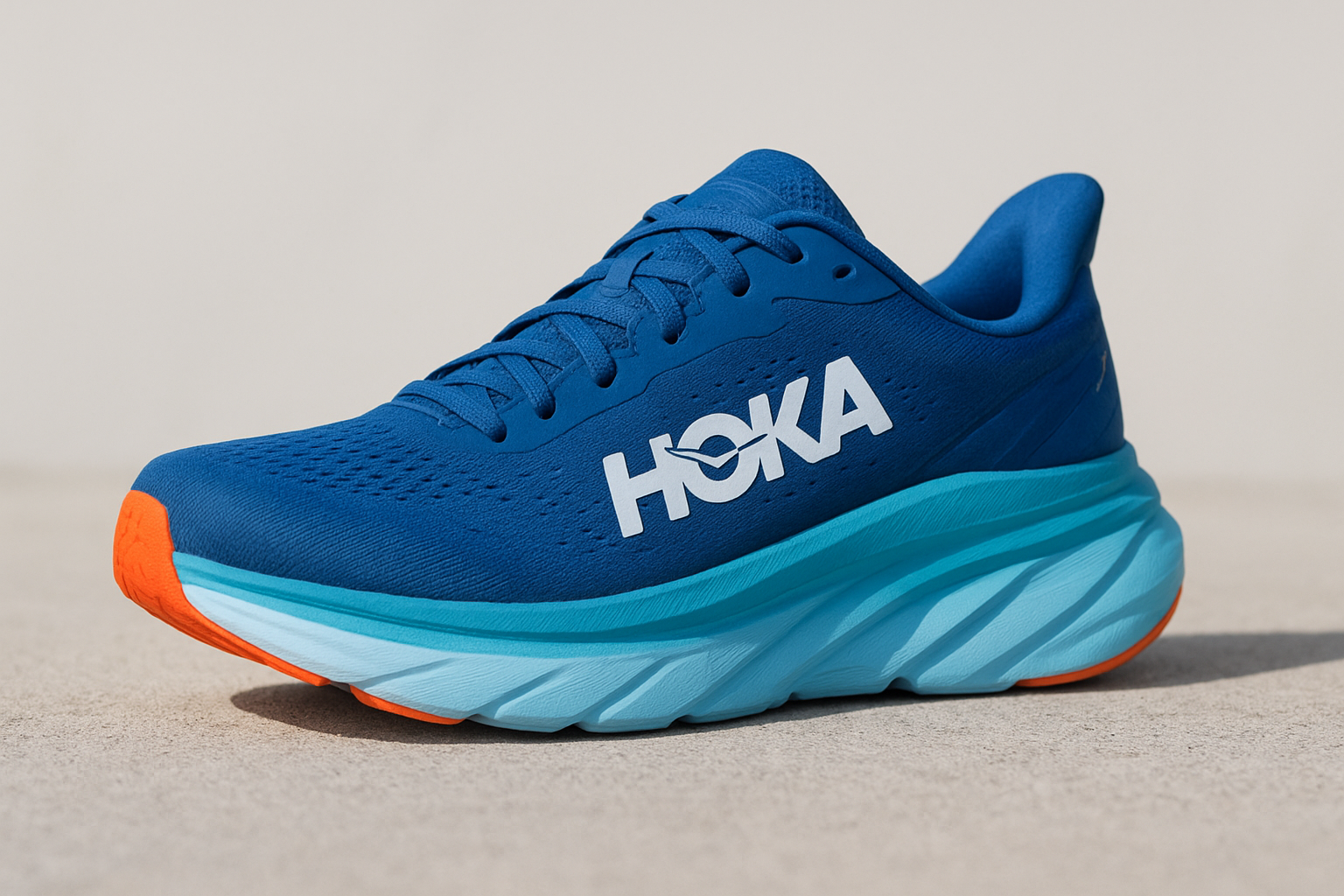
4. HOKA Arahi 8
The HOKA Arahi 8 takes a different approach to stability than most arch support shoes for overpronation. Rather than relying on a dense medial post to stop your foot from rolling inward, HOKA’s J-Frame technology guides your foot naturally through the gait cycle while the brand’s signature maximalist cushioning keeps the ride light and comfortable. The result is a stability shoe that feels nothing like a traditional stability shoe, which makes it a standout option for overpronators who want high cushioning without a heavy, stiff feel underfoot.
Why it helps overpronation
The J-Frame is a firm foam structure embedded along the inner side and heel of the midsole, shaped to cradle the foot and discourage excessive inward collapse without forcing a hard correction. This approach differs from a traditional medial post because the support wraps around the heel, reducing rotational stress throughout the foot strike rather than just pushing back at the arch. HOKA also uses a wide base and low heel-to-toe drop in the Arahi 8, both of which promote more even ground contact and reduce the torque that drives overpronation in the first place.
A wider base and embedded J-Frame together address overpronation at the base level, not just at the arch.
Best for
The Arahi 8 suits lightweight runners and walkers who prefer a plush, high-stack feel over a traditional structured shoe. It performs particularly well for overpronators who have struggled with knee pain, since the guided motion system reduces rotational stress traveling upward from the foot. This shoe also works well for:
- Runners transitioning from maximalist neutral shoes who have developed pain tied to overpronation
- Walkers who need all-day cushioning with gentle medial support
- Overpronators who find traditional stability shoes too stiff or restrictive
What to know before you buy
Sizing runs true across most foot shapes, and wide widths are available for both men and women. The retail price sits around $140, which is competitive for the level of technology and cushioning packed into this shoe. Most users report solid durability on pavement, typically reaching 400 or more miles before meaningful outsole wear.
5. New Balance Fresh Foam X 860v14
The New Balance Fresh Foam X 860v14 earns its place among the top arch support shoes for overpronation by combining a structured medial post with Fresh Foam X cushioning that keeps long runs and full workdays genuinely comfortable. New Balance has continued to refine this model year after year, and the v14 represents one of the most well-balanced stability shoes the brand has produced.
Why it helps overpronation
The 860v14 uses a dual-density medial post built into the midsole to resist inward roll at the arch. The firmer foam on the inner edge creates a subtle but consistent barrier against collapse, while the standard Fresh Foam X layer surrounding it absorbs impact across the full footstrike. The reinforced heel counter adds a second layer of control by locking the rear foot in place throughout the push-off phase, reducing the rotational stress that travels up through the ankle when the heel fails to track straight.
Controlling the heel and the arch simultaneously gives the 860v14 a more complete correction than shoes that address only one of those points.
Best for
This shoe suits moderate overpronators who run or walk regularly and want a stable platform that doesn’t feel heavy or restrictive. It performs particularly well for runners building weekly mileage gradually, since the combination of cushioning and structure protects the joints as fatigue sets in later in a run. Walkers who deal with arch fatigue during extended periods on their feet will also find the 860v14 a solid daily option.
What to know before you buy
The 860v14 is available in standard, wide, and extra-wide widths, making it one of the more accommodating options in the stability category for runners and walkers with broader forefoot dimensions. The shoe runs slightly narrow through the midfoot in the standard width, so trying a half size up is worth considering if you’re between sizes. Retail price lands around $140, and the outsole holds up well past 400 miles of regular use.
6. Saucony Guide 19
The Saucony Guide 19 is a dependable pick among arch support shoes for overpronation, offering a balanced combination of medial stability and lightweight cushioning that makes it a strong option for runners who want structure without bulk. Saucony has refined the Guide line steadily, and the 19th version delivers a responsive ride that keeps inward roll reliably in check without feeling stiff underfoot.
Why it helps overpronation
The Guide 19 controls overpronation through its PWRRUN+ midsole combined with a medial TPU guidance frame, a firmer insert built into the inner edge of the midsole that limits arch collapse during foot strike. This approach provides consistent resistance to inward roll without making the shoe feel rigid through the transition from heel to toe. The structured heel counter reinforces this correction by stabilizing the rear foot on landing, so the chain from heel contact to push-off stays aligned and efficient throughout your run or walk.
A medial frame paired with a stable heel counter catches overpronation at two points in the gait cycle, not just one.
Best for
The Guide 19 suits mild to moderate overpronators who want a lighter stability shoe for daily training runs or brisk walks. It works particularly well for overpronators who find heavier stability shoes too cumbersome but still need consistent medial support to prevent arch fatigue and ankle strain. This shoe is a strong match if you fall into any of these categories:
- Runners building weekly mileage gradually who need protection as fatigue sets in
- Walkers covering hard surfaces or pavement for extended periods
- Overpronators looking for a lighter alternative to the Brooks Adrenaline or ASICS Kayano
What to know before you buy
The Guide 19 runs true to size for most foot shapes, though trying a half size up is reasonable if your feet tend to swell during longer efforts. Wide widths are available for both men and women.
Retail price lands around $130 to $140, making it one of the more affordable options in the stability category without meaningful sacrifices in support or durability. Expect solid outsole performance through 400 or more miles on pavement or packed surfaces.
7. Saucony Hurricane 25
The Saucony Hurricane 25 is the brand’s maximum-stability offering, sitting a step above the Guide 19 in terms of both cushioning volume and medial control. If you overpronate significantly and want one of the most supportive arch support shoes for overpronation Saucony makes, the Hurricane 25 is where that search ends.
Why it helps overpronation
The Hurricane 25 pairs a PWRRUN+ cushioned midsole with a full-length TPU stability frame running along the medial side of the shoe. That frame is wider and more substantial than what you get in the Guide 19, providing a firmer base of resistance against inward roll throughout the entire foot strike. Saucony also reinforced the heel counter significantly compared to previous Hurricane versions, locking the rear foot in alignment from initial contact through push-off.
More midsole support and a stiffer medial frame make the Hurricane 25 the better choice when moderate stability shoes have already failed to control your pronation.
Best for
This shoe suits moderate to severe overpronators who need a higher level of control than a standard stability shoe provides. It performs well for runners covering longer distances who experience arch fatigue or medial knee pain when the foot breaks down under load. Walkers who spend extended hours on their feet and have found lighter stability options inadequate will also find the Hurricane 25 a reliable choice.
What to know before you buy
The Hurricane 25 carries a retail price of roughly $155 to $165, reflecting the additional materials and construction required for its elevated stability profile. The shoe runs true to size for most foot shapes, and wide widths are available for both men and women. The midsole foam is noticeably firmer than what you find in neutral cushioned shoes, so give yourself 20 to 30 miles before making a final judgment on fit. Durability is strong, with most users reporting 400 or more miles before the outsole shows significant wear.
8. ASICS GT 2000 14
The ASICS GT 2000 14 sits between the brand’s entry-level stability options and the premium Kayano in terms of support and price, making it one of the most practical arch support shoes for overpronation in the ASICS lineup. It delivers genuine medial control in a lighter and more affordable package than the Kayano 32, without asking you to sacrifice the structural integrity overpronators depend on.
Why it helps overpronation
The GT 2000 14 uses ASICS’ Dynamic DuoMax Support System, a dual-density midsole construction that places firmer foam along the medial side to resist inward roll during foot strike. This system works alongside FF BLAST cushioning throughout the rest of the midsole, creating a shoe that absorbs impact effectively while still guiding your foot through a straighter, more efficient gait cycle. The heel counter is well-reinforced, keeping the rear foot stable from initial contact through push-off.
A lighter stability shoe that still delivers genuine medial control gives you more options without forcing a trade-off between support and comfort.
With that design combination, you get overpronation correction without the heaviness that sometimes comes with more aggressive stability builds. Runners and walkers who find the Kayano too plush or too expensive consistently land on the GT 2000 as their preferred daily trainer.
Best for
The GT 2000 14 suits mild to moderate overpronators who want a reliable stability shoe for daily runs or extended walks without paying premium prices. It’s a strong fit if you fall into one of these categories:
- Newer runners building weekly mileage who need consistent medial support as volume increases
- Walkers covering hard surfaces or pavement for extended periods during the workday
- Overpronators looking for a mid-range alternative to the Kayano without stepping down to entry-level support
What to know before you buy
This shoe runs true to size for most foot shapes, and wide-width options are available for both men and women. The removable sockliner has enough depth to accommodate custom orthotics if your podiatrist has prescribed them.
Retail price typically lands around $120 to $130, making it one of the better values in the ASICS stability range. Expect solid durability through 400 to 500 miles before outsole wear becomes noticeable.
9. Brooks Glycerin GTS 22
The Brooks Glycerin GTS 22 takes the brand’s most cushioned platform and adds GuideRails support to create one of the softer arch support shoes for overpronation in Brooks’ full lineup. If you want maximum underfoot cushioning without abandoning medial control entirely, the Glycerin GTS 22 covers both needs in a package that feels far more like a neutral trainer than a traditional stability shoe.
Why it helps overpronation
Brooks adds GuideRails technology to this shoe’s high-volume DNA LOFT v3 midsole, the same support system found in the Adrenaline GTS 25 but paired here with a significantly softer foam stack. GuideRails places firm support along both sides of the heel to catch excess movement before it translates into stress on the ankles and knees, rather than simply wedging harder foam under the arch. That design guides your gait through a cleaner path without making your foot feel locked into a rigid track with every step.
GuideRails built on a maximalist midsole gives you overpronation control without the firm, compressed feel of a standard medial post.
Best for
The Glycerin GTS 22 suits overpronators who prioritize cushioning above everything else but still need reliable medial support across runs or extended walks. It performs particularly well for runners covering longer distances who experience foot fatigue or joint soreness in the later miles of a run. Walkers spending long hours on pavement or hard floors who find lighter stability shoes too firm will also appreciate what this shoe delivers throughout a full day.
What to know before you buy
This shoe runs true to size for most foot shapes, with wide-width options available for both men and women. The midsole is noticeably softer than the Adrenaline GTS 25, so if you prefer a firmer and more responsive platform, the Adrenaline is the stronger match. Retail price typically sits around $160, and most users report solid durability through 400 or more miles before meaningful outsole wear becomes noticeable.
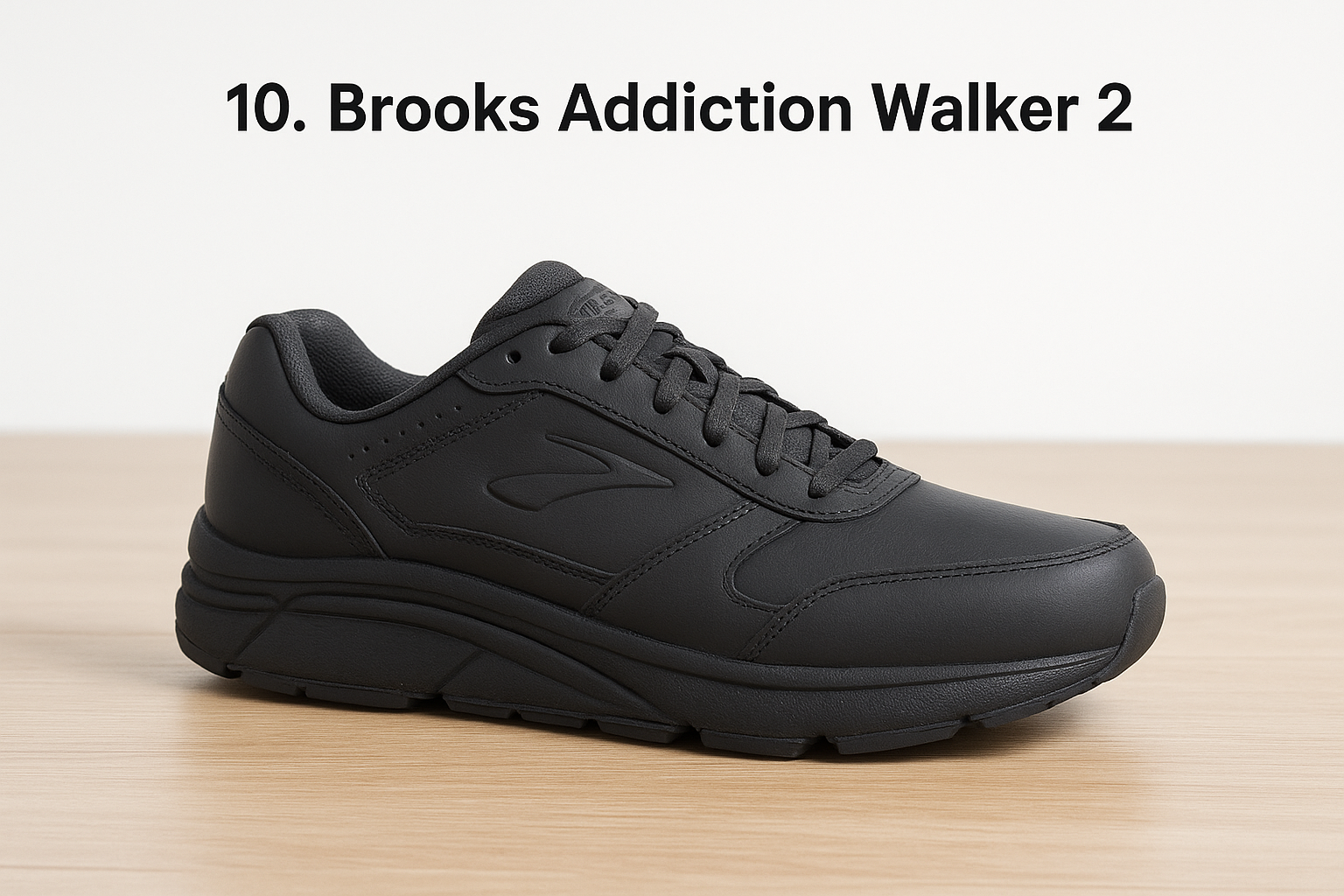
10. Brooks Addiction Walker 2
The Brooks Addiction Walker 2 is one of the few arch support shoes for overpronation designed specifically for walking rather than running, and it shows in every detail of the construction. This shoe prioritizes all-day comfort and structural control over speed metrics, making it the strongest walking-specific option on this list for overpronators who spend hours on their feet daily.
Why it helps overpronation
The Addiction Walker 2 uses a full-length diagonal rollbar, a dense medial post that runs the length of the midsole and resists inward arch collapse throughout the entire walking stride. This is one of the most aggressive medial support systems Brooks builds into any shoe, and it delivers firm, consistent correction without requiring the wearer to adjust their stride to feel the benefit. The BioMoGo DNA cushioning underneath that rollbar absorbs impact evenly, so your heel and forefoot both land softly across long hours of walking on pavement, tile, or hard floors.
A full-length rollbar gives this shoe a level of medial control that most running stability shoes simply do not match.
Best for
This shoe performs best for walkers and professionals who stand or move for most of the workday, including nurses, retail workers, and anyone covering significant ground on hard surfaces. It also suits moderate to severe overpronators who need a walking-specific shoe rather than a repurposed running model, since the construction specifically addresses the slower heel-to-toe motion pattern of walking rather than running.
What to know before you buy
The Addiction Walker 2 has a leather upper, which contributes to its durability on hard floors but also means the break-in period is longer than a standard mesh trainer. Plan for at least a week of gradual wear before committing to a full shift or long walk. Wide and extra-wide widths are available for both men and women, and the removable insole leaves room for custom orthotics if your podiatrist has recommended them. Retail price sits around $130 to $140.
11. Skechers Arch Fit 2.0
The Skechers Arch Fit 2.0 stands out in the category of arch support shoes for overpronation because it brings podiatrist-designed insole technology to a casual and walking-friendly silhouette at a price point significantly lower than most stability running shoes. This is not a high-performance running shoe, but for everyday wear, walking, and light activity, it delivers a level of arch support that most budget footwear simply does not offer.
Why it helps overpronation
The Arch Fit 2.0 is built around Skechers’ Arch Fit insole system, which was developed with input from the American Podiatric Medical Association. The insole provides a raised medial arch contour that cups the foot and limits inward collapse during walking. The midsole foam is moderate in firmness, offering enough cushioning for extended wear without becoming so soft that it allows the arch to flatten under load. Unlike traditional stability shoes with structural medial posts, this shoe achieves its support primarily through insole geometry rather than midsole density differences.
Insole-driven arch support works well for mild overpronators who spend most of their time walking rather than running.
Best for
This shoe performs best for mild overpronators who need a casual or workplace option rather than a dedicated running shoe. It suits people who are on their feet for most of the day in environments where a technical trainer would feel out of place. Individuals managing early-stage arch fatigue or flat feet in low-impact settings will get the most out of what this shoe offers.
What to know before you buy
The Arch Fit 2.0 runs true to size for most foot shapes, and wide widths are available in select colorways. Your removable insole can be replaced with a custom orthotic if your podiatrist has prescribed one, which extends the shoe’s usefulness for patients with more significant pronation needs. Retail price typically lands around $70 to $85, making it one of the most affordable options on this list.
12. Topo Ultrafly 5
The Topo Ultrafly 5 rounds out this list as one of the most foot-shaped stability options available for overpronators. Topo Athletic builds every shoe in its lineup around a wide toe box and low-drop platform, and the Ultrafly 5 carries those design principles into a genuine stability build. If you overpronate and have struggled to find arch support shoes for overpronation that don’t compress your forefoot or create pressure across the toes, this shoe addresses that problem directly.
Why it helps overpronation
Topo controls inward roll through a firm medial post built into the ZipFoam midsole, which places denser foam along the inner edge to resist arch collapse during foot strike. The shoe also uses a meta-rocker geometry, a curved midsole profile that guides your foot through a smooth heel-to-toe transition without requiring any compensatory stride adjustment on your part. The combination keeps your foot tracking straight through push-off while the wide base underneath adds stability at ground contact.
A wider base and a meta-rocker work together to reduce the rotational stress that drives overpronation with each step.
Best for
This shoe performs best for overpronators with wide feet or bunions who have found conventional stability shoes too narrow through the forefoot. The wide toe box gives your foot room to spread naturally under load, which reduces the cramped feeling that makes many stability shoes uncomfortable over longer distances. Runners who prefer a lower heel-to-toe drop and more natural foot positioning will also find the Ultrafly 5 a better match than most options on this list.
What to know before you buy
Sizing runs true to size for most foot shapes, and the generous toe box means you rarely need to go up a half size for forefoot room. Note that the 5mm heel-to-toe drop is lower than most stability shoes, so if you’re transitioning from a higher-drop model, give yourself 20 to 30 miles to adjust before making a final judgment on fit. Retail price typically lands around $130 to $145, and most users report solid durability through 400 or more miles of regular use.
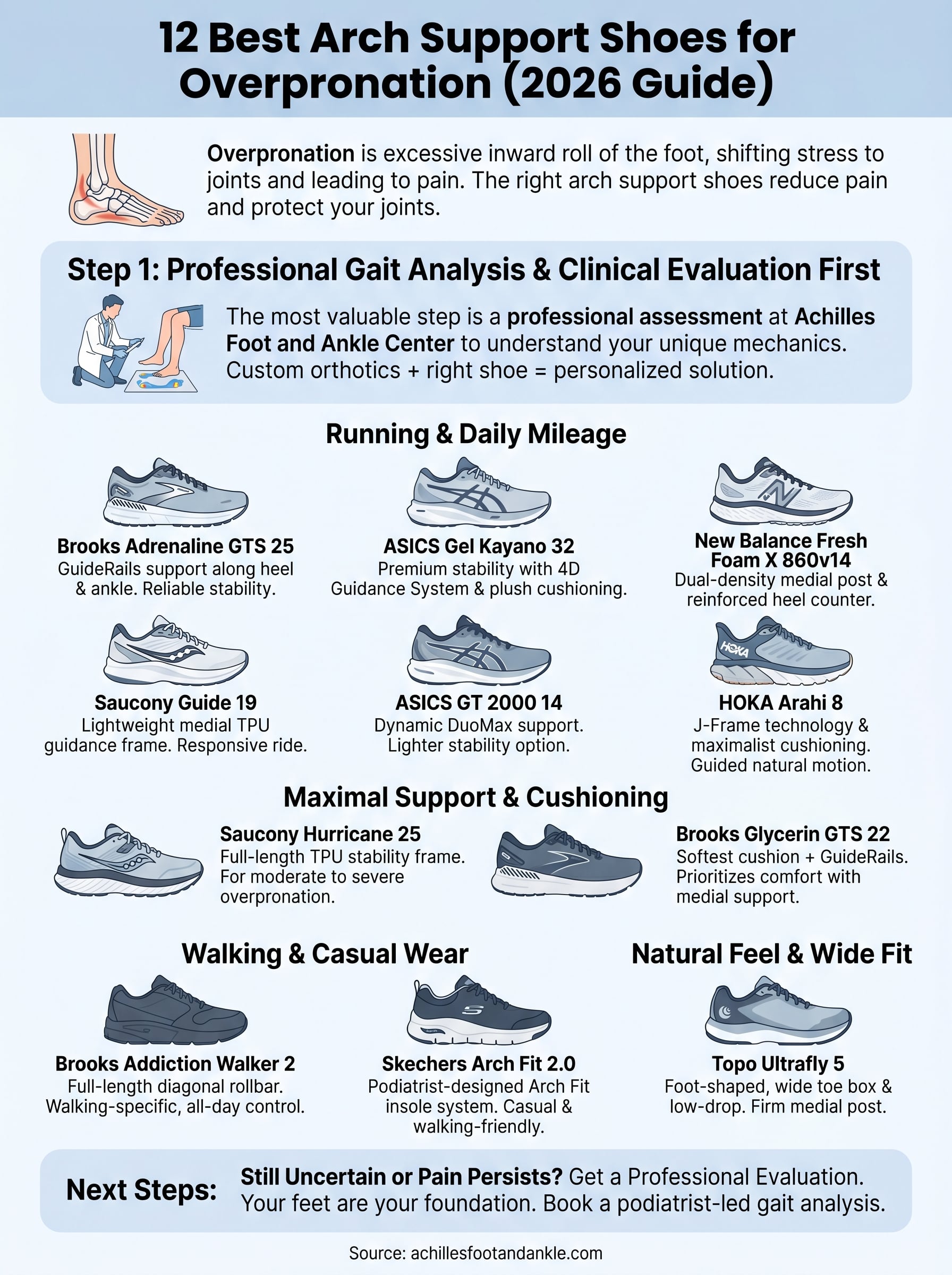
Next Steps
The right arch support shoes for overpronation can reduce pain and protect your joints, but a shoe alone only goes so far. If you’ve worked through this list and still feel uncertain about which option fits your mechanics, or if pain persists after switching to a stability shoe, that’s a clear signal to get a professional evaluation before spending more money on footwear.
Your feet are the foundation for everything above them. A podiatrist-led gait analysis identifies exactly how your foot moves, which type of support you need, and whether custom orthotics would give you better results than any off-the-shelf shoe on this list. At Achilles Foot and Ankle Center, we see patients across thirteen Central Virginia locations, accept all major insurance plans, and offer same-day appointments when you need fast answers.
Book a same-day appointment at Achilles Foot and Ankle Center and get a clear, individualized picture of what your feet actually need.