Flat feet affect roughly 20–30% of the general population, and for many people, the discomfort doesn’t stop at the arches. At Achilles Foot and Ankle Center, we treat patients with flat feet and fallen arches daily across our Central Virginia clinics, and one of the most frequent questions we get is which arch support insoles for flat feet actually deliver relief. It’s a fair question, because the insole market is overwhelming, and not every product lives up to its packaging.
A well-designed insole can reduce overpronation, redistribute pressure across the foot, and ease strain on your ankles, knees, and lower back. A poorly chosen one, though, can aggravate existing problems or create new ones. Material, arch height, and rigidity all play a role, and what works for one person’s flat feet may be completely wrong for another’s. That’s why picking the right insert requires more than grabbing whatever’s on the endcap at your local pharmacy.
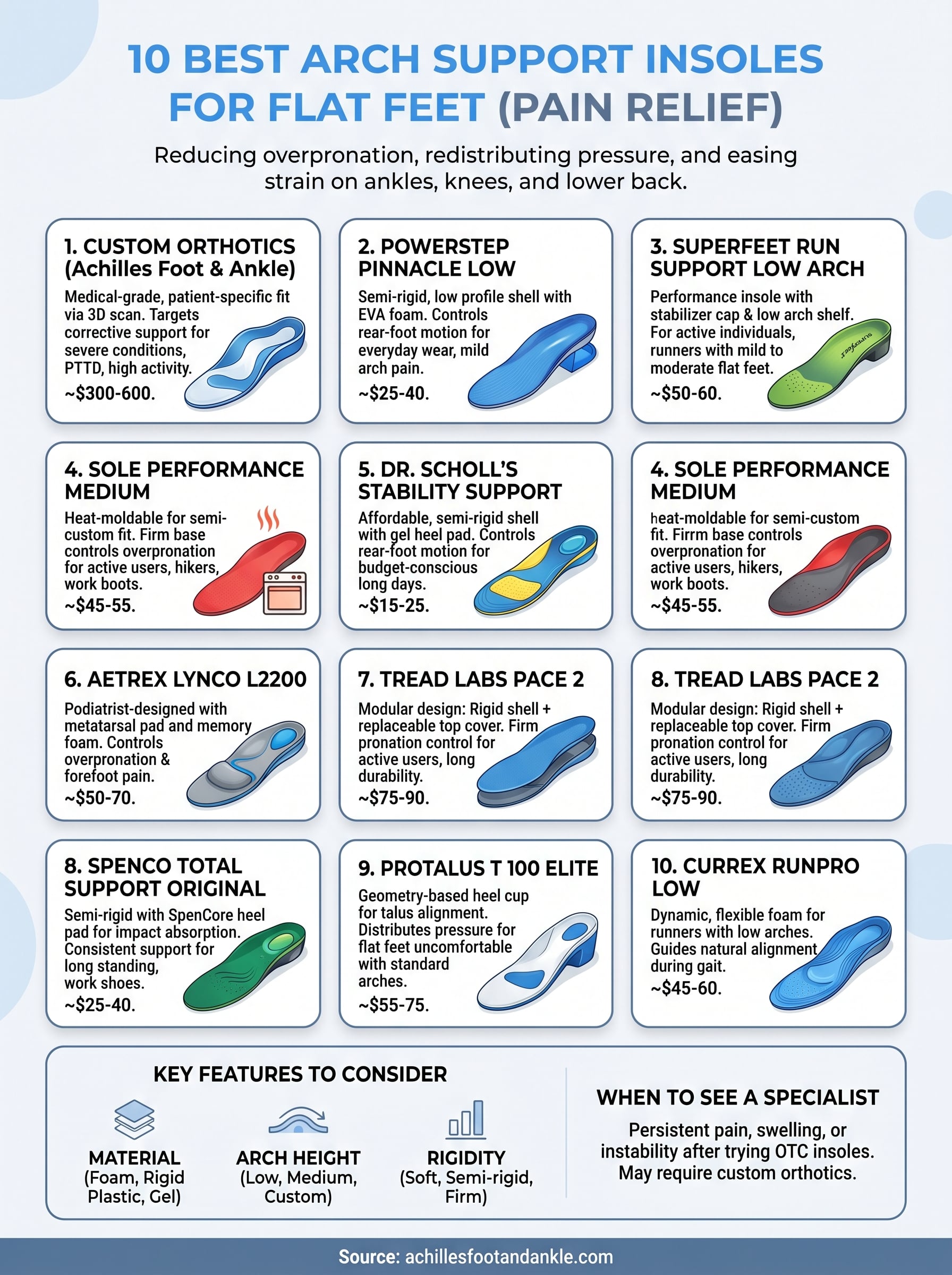
We put together this list of 10 top-rated arch support insoles based on what we consistently see helping our patients, along with factors like durability, shoe compatibility, and support level. Whether you’re managing plantar fasciitis, posterior tibial tendon dysfunction, or everyday arch fatigue, this guide will help you find an insole worth your money, and know when it’s time to see a specialist for something more tailored.
1. Custom Orthotics from Achilles Foot and Ankle Center
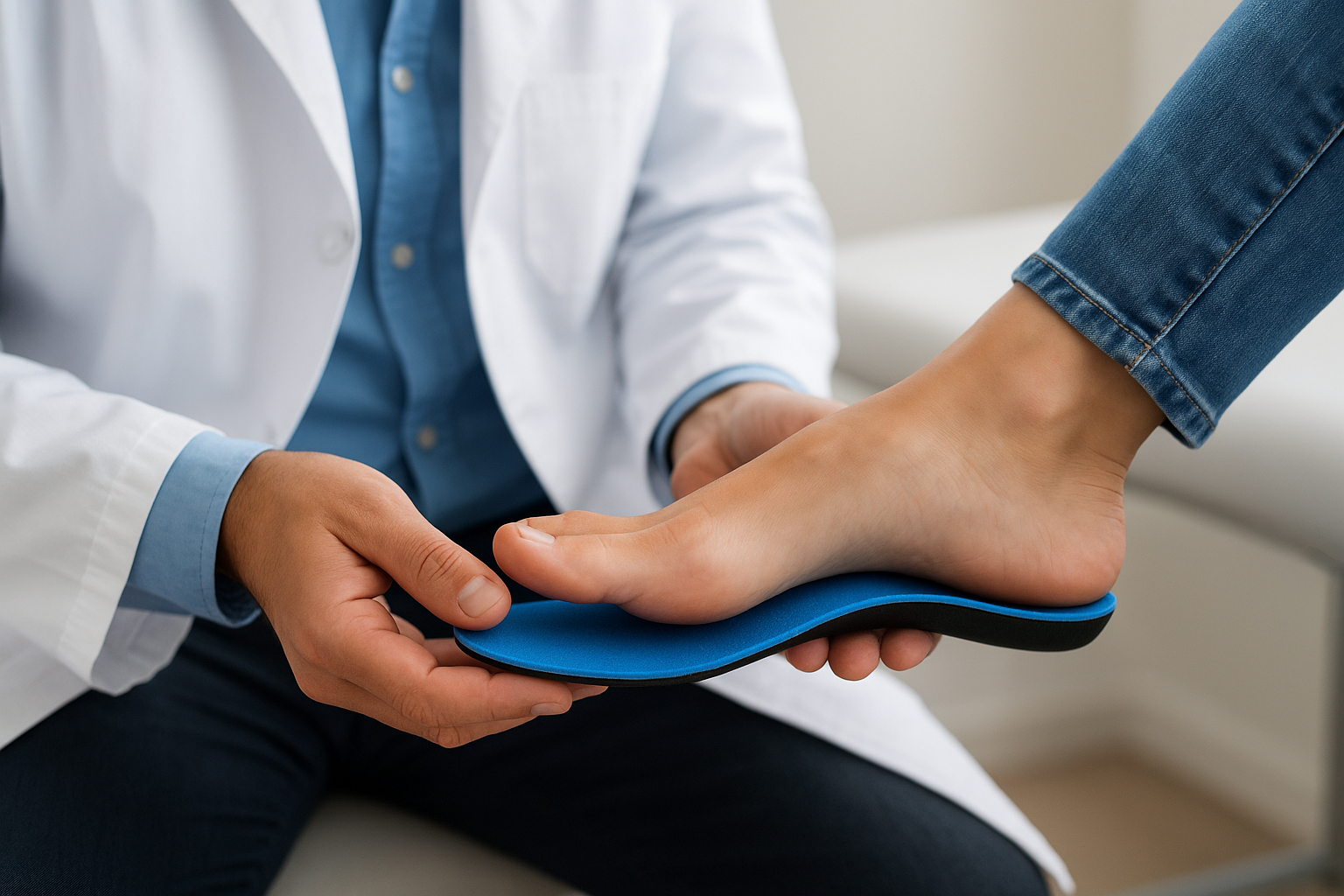
When it comes to arch support insoles for flat feet, nothing on a pharmacy shelf competes with a custom-fabricated orthotic built specifically for your foot. At Achilles Foot and Ankle Center, our podiatrists design custom orthotics after a thorough biomechanical evaluation, which means the device you receive addresses your exact foot structure and mechanics rather than a generic foot shape.
What it is
A custom orthotic is a medical-grade device that a podiatrist prescribes after evaluating your gait, arch height, and pressure distribution through 3D scanning or casting. This is fundamentally different from any over-the-counter insert you’ll find in a store. Key distinctions include:
- Patient-specific fit based on a 3D scan or cast of your individual foot
- Materials matched to your activity level, from rigid functional shells to cushioned top covers
- Prescribed and fabricated under direct podiatric supervision with follow-up adjustments as needed
Support and pain-relief features
Custom orthotics deliver targeted corrective support that repositions your foot into proper alignment from heel strike to toe-off. For flat feet specifically, the device actively controls overpronation, reducing excess strain on the plantar fascia, Achilles tendon, and posterior tibial tendon. The orthotic also addresses downstream effects like knee pain, hip tension, and lower back discomfort by correcting your lower-limb mechanics with every step.
A custom orthotic doesn’t just support your arch; it corrects the mechanical dysfunction that causes your pain in the first place.
Beyond the arch, the combination of a corrective shell and a cushioned top layer manages both motion control and impact absorption simultaneously. No single over-the-counter product can match that level of precision for a flat foot.
Who should choose it
Custom orthotics are the strongest option when over-the-counter insoles haven’t provided lasting relief after several weeks of consistent use. They are particularly well-suited for:
- Patients with posterior tibial tendon dysfunction or chronic plantar fasciitis
- People with severe overpronation or asymmetrical flat feet
- Athletes training at high volume or intensity on flat feet
- Anyone recovering from foot or ankle surgery who needs structured post-operative support
Typical price range
Custom orthotics from Achilles Foot and Ankle Center typically cost between $300 and $600 per pair, depending on materials and design complexity. Many major insurance plans, including Medicare, cover custom orthotics when a podiatrist prescribes them for a diagnosed medical condition, which can bring your out-of-pocket cost down considerably. Reach out to our office before your appointment to confirm your specific coverage.
2. PowerStep Pinnacle Low
The PowerStep Pinnacle Low is one of the most widely recommended over-the-counter arch support insoles for flat feet, and for good reason. It consistently delivers solid arch support without the sticker shock of a custom device, making it a practical starting point for people who want more than a basic cushioned insert.
What it is
The Pinnacle Low is a semi-rigid, low-profile insole built with a firm plastic shell underfoot and a cushioned EVA foam layer on top. PowerStep designed it specifically for low-arched or flat feet, meaning the arch height and heel cup geometry are intentionally suited to your foot shape rather than a neutral or high arch.
Support and pain-relief features
The plastic shell controls pronation and rear-foot motion, which is the primary mechanical problem flat feet create. A built-in deep heel cup keeps your calcaneus centered, reducing the rolling inward that strains your plantar fascia and Achilles tendon over time. The dual-layer construction also absorbs impact at heel strike, which cuts down on fatigue during long days on your feet.
The semi-rigid shell is the feature that separates the Pinnacle Low from soft gel insoles, which offer comfort but do little to correct your alignment.
Who should choose it
This insole works well for everyday use in athletic or casual footwear with removable insoles. It suits people experiencing mild to moderate arch pain, early-stage plantar fasciitis, or general foot fatigue related to flat feet. If your pain is severe or you’ve already tried multiple insoles without success, a podiatrist evaluation is the smarter next step.
Typical price range
You can find the PowerStep Pinnacle Low for roughly $25 to $40 at most pharmacies, sporting goods stores, and online retailers.
3. Superfeet Run Support Low Arch
Superfeet is one of the most recognized names in performance insoles, and the Run Support Low Arch is their answer to runners and active individuals dealing with flat feet or low arches. It sits in the middle ground between a basic cushioning insert and a rigid corrective device, making it a popular choice for people who want structured support inside performance footwear.
What it is
The Run Support Low Arch features Superfeet’s signature high-density foam layer paired with a structured stabilizer cap that sits beneath the heel and rearfoot. Unlike flat foam insoles, this design adds a low-profile arch shelf engineered specifically for feet that lack significant arch height. The result is an insole that fits better in low-volume athletic shoes without creating the pressure that a high-arched insert often causes on flat feet.
Support and pain-relief features
The stabilizer cap controls rear-foot motion and limits inward rolling, which is the core mechanical problem that makes flat feet painful during running or high-impact activity. The deep heel cup keeps your foot positioned correctly from the first step, reducing strain on the plantar fascia and Achilles tendon.
Superfeet’s stabilizer cap does the structural work, so the foam on top can focus entirely on cushioning rather than trying to do both jobs poorly.
For people searching for reliable arch support insoles for flat feet that hold up over hundreds of miles, this insole is notably durable compared to foam-only alternatives.
Who should choose it
This insole suits runners, walkers, and active individuals with mild to moderate flat feet who want a performance-oriented insert. It pairs best with running shoes or training footwear that already have a removable stock insole.
Typical price range
The Superfeet Run Support Low Arch typically retails between $50 and $60 at major sporting goods stores and online retailers.
4. SOLE Performance Medium
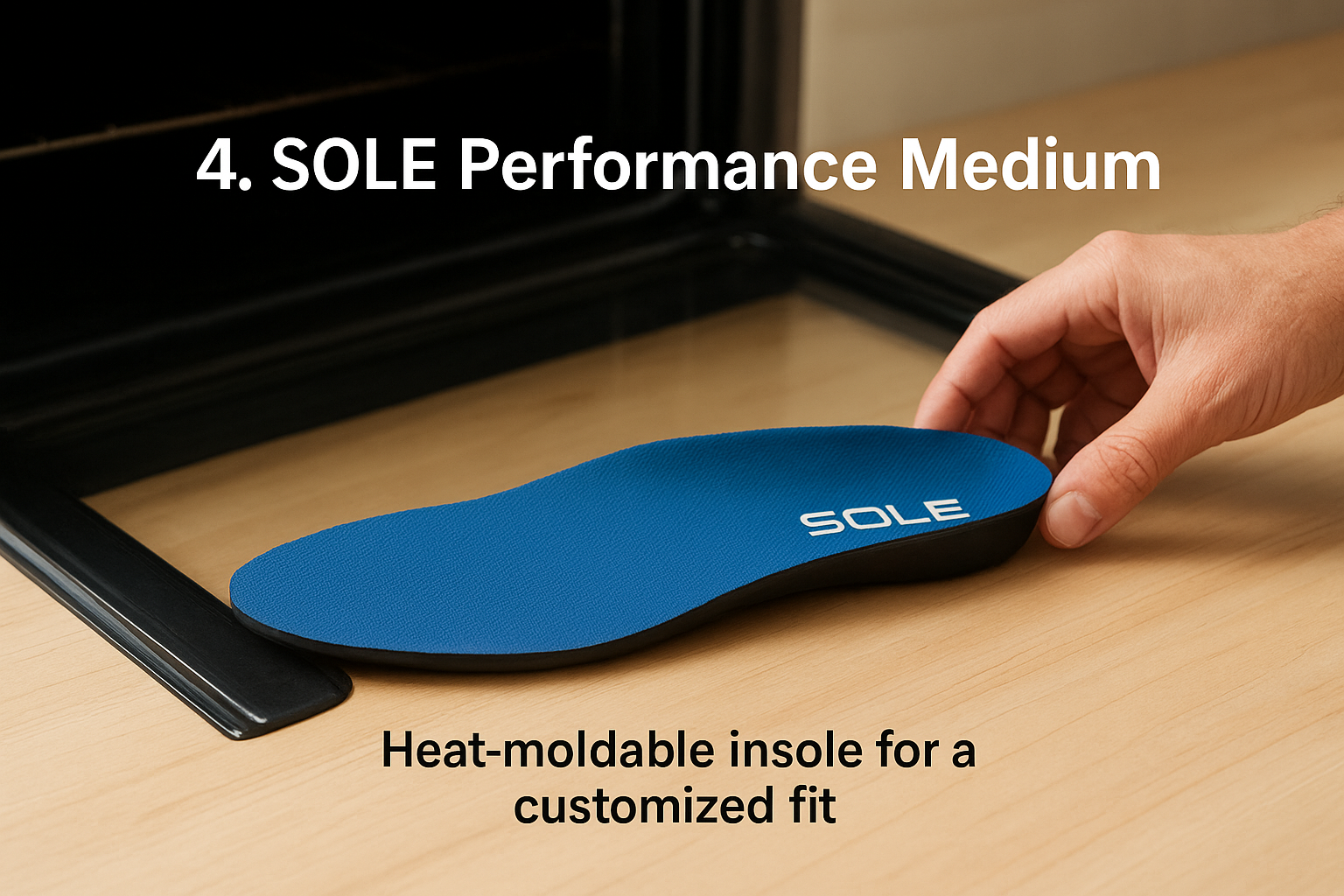
The SOLE Performance Medium takes a different approach from most over-the-counter insoles: it uses body heat to mold itself to your individual foot shape, giving it a semi-custom fit you won’t get from a standard off-the-shelf product. For people hunting for solid arch support insoles for flat feet that go beyond generic sizing, SOLE is a name worth knowing.
What it is
The Performance Medium is a heat-moldable insole built on a firm polypropylene base with a medium-thickness cushioning layer on top. You activate the molding process by warming the insoles in an oven for a few minutes and then standing in them while they cool. This creates a footbed that conforms to your specific arch contour and heel shape, rather than forcing your foot to adapt to a fixed shape.
Support and pain-relief features
The firm base controls rear-foot motion and limits overpronation, which is the primary issue that makes flat feet painful under load. The deep heel cup stabilizes your calcaneus and reduces the rolling inward that strains your plantar fascia over time.
The heat-moldable fit is what separates this insole from competitors at a similar price point, giving your foot a more personalized base of support.
The medium cushioning profile strikes a balance between impact absorption and structural correction, making it suitable for both daily wear and moderate athletic activity.
Who should choose it
This insole works well for active individuals with mild to moderate flat feet who want more personalization than a standard rigid insert provides. It fits best in athletic shoes, hiking footwear, and work boots with removable insoles.
Typical price range
The SOLE Performance Medium typically retails between $45 and $55 at outdoor retailers and online stores.
5. Dr. Scholl’s Stability Support
Dr. Scholl’s is the most recognizable name in over-the-counter foot care, and the Stability Support insole is their flagship option for people dealing with flat feet and overpronation. It’s widely available, affordable, and designed with a clear focus on controlling rear-foot motion rather than simply adding cushion underfoot.
What it is
The Stability Support is a semi-rigid insole built on a firm plastic arch shell with a gel heel pad and a cushioned foam top layer. Dr. Scholl’s uses a computerized foot mapping system called Foot Mapping Technology in many of their retail kiosks, which helps you identify whether your arch type and pressure pattern actually match this insole’s design before you buy it.
Support and pain-relief features
The firm arch shell provides the structural foundation that makes this insole a legitimate option for arch support insoles for flat feet, rather than just a comfort upgrade. The shell reduces inward rolling at the rear foot, which takes repetitive stress off your plantar fascia and Achilles tendon during walking or standing.
The gel heel pad absorbs impact at heel strike, which meaningfully reduces fatigue during long days on hard surfaces.
The combination of motion control and cushioning in a single low-cost product is what makes this insole stand out in Dr. Scholl’s lineup. That said, the plastic shell is thinner than what you’ll find in premium brands, so expect less durability over extended use.
Who should choose it
This insole suits budget-conscious individuals with mild flat feet who spend long hours on their feet at work. It fits well in work shoes, casual sneakers, and everyday footwear with removable insoles.
Typical price range
The Dr. Scholl’s Stability Support typically retails between $15 and $25 at most pharmacies and big-box retailers.
6. Aetrex Lynco L2200
The Aetrex Lynco L2200 brings a level of engineering to the over-the-counter space that most budget insoles don’t attempt. It’s a podiatrist-designed insole built specifically around the biomechanical needs of flat and low-arched feet, making it a strong option when you want more than a generic foam layer between your foot and the ground.
What it is
The L2200 is a semi-rigid orthotic insole constructed with a firm polypropylene shell, a metatarsal pad, and Aetrex’s proprietary memory foam top layer. The design reflects Aetrex’s background in medical-grade footwear, and the result is an insole that looks and functions closer to a prescription-style device than most products you’d find in this price category.
Support and pain-relief features
The polypropylene shell controls overpronation and rear-foot motion, which is the key mechanical correction flat feet need. A built-in metatarsal pad offloads pressure from the ball of your foot, which makes this insole particularly useful if your flat feet cause forefoot pain or metatarsalgia alongside arch discomfort. The memory foam top layer cushions impact and molds slightly to your foot’s contour over time.
The metatarsal pad is a feature most insoles in this price range skip entirely, but it makes a measurable difference if forefoot pressure is part of your pain picture.
These combined features make the Lynco L2200 a well-rounded choice for anyone looking for arch support insoles for flat feet that address multiple pressure points at once.
Who should choose it
This insole works well for individuals with flat feet who also experience forefoot pain or ball-of-foot discomfort. It fits best in casual shoes, walking footwear, and work shoes with removable insoles.
Typical price range
The Aetrex Lynco L2200 typically retails between $50 and $70 through specialty footwear stores and online retailers.
7. Tread Labs Pace 2
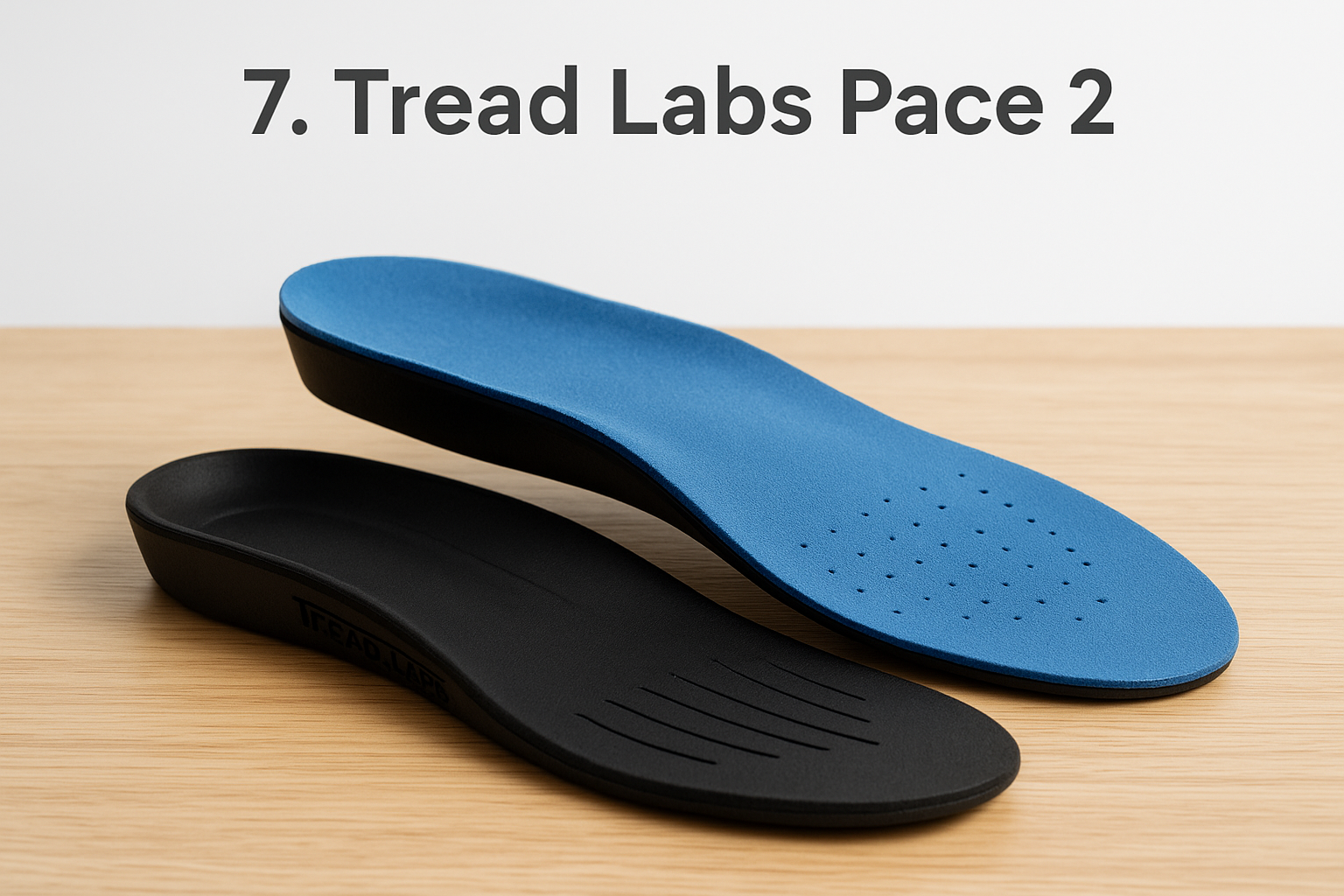
The Tread Labs Pace 2 stands out in the over-the-counter insole market because it separates the two components most insoles combine into one: a rigid arch support shell and a replaceable foam top cover. This modular design gives you more control over your insole setup than virtually any competing product at this price point, making it a strong option for people searching for durable arch support insoles for flat feet.
What it is
The Pace 2 uses a firm, medical-grade nylon shell as its structural foundation, paired with a removable foam top cover that snaps onto it. Tread Labs offers the shell in four arch heights, including a low option designed specifically for flat feet. When your top cover wears out, you replace only that component rather than the entire insole, which extends the useful life of your purchase significantly.
Support and pain-relief features
The rigid nylon shell delivers firm pronation control comparable to what you’d find in some prescription-style devices. A deep heel cup locks your calcaneus in place, reducing the inward rolling that generates pain along your plantar fascia and Achilles tendon over time.
The four-arch-height system means you’re selecting a shell matched to your actual arch profile rather than estimating with a generic size.
Replacing only the top cover as it degrades keeps the structural support layer intact, which is a practical advantage over single-piece insoles that lose both cushioning and correction simultaneously.
Who should choose it
This insole suits active individuals and daily commuters with flat feet who want a long-lasting, structured insert. It fits best in athletic shoes and everyday footwear that already have a removable stock insole.
Typical price range
The Tread Labs Pace 2 typically retails between $75 and $90 through the Tread Labs website and select online retailers, with replacement top covers running around $20 to $30.
8. Spenco Total Support Original
Spenco has built a solid reputation in the medical and athletic communities for producing insoles that balance structured support with everyday wearability, and the Total Support Original is the core product that defines that reputation. If you’re searching for reliable arch support insoles for flat feet that hold up through long work days and moderate activity without a steep price, this insole consistently earns its place on shortlists.
What it is
The Total Support Original is a semi-rigid insole built on a firm EVA arch shell paired with a SpenCore material heel pad and a smooth nylon top layer. Spenco originally developed its insole technology for military and athletic applications, which gives this product a functional heritage that reaches well beyond typical consumer-grade comfort inserts.
Support and pain-relief features
The firm arch shell provides consistent pronation control at the rear foot, limiting the inward rolling that flat feet produce under load. The SpenCore heel pad absorbs impact at heel strike and reduces energy loss, which translates to noticeably less fatigue during extended standing or walking.
The combination of a rigid arch component and a performance heel pad makes this insole a corrective tool rather than a simple cushioning upgrade.
Beyond alignment, a smooth nylon top cover also cuts friction and heat buildup inside your shoe, a practical benefit during full work shifts or all-day wear.
Who should choose it
This insole fits individuals with mild to moderate flat feet who need dependable daily support across a range of footwear. It works particularly well for:
- Office workers and retail staff who log long hours on hard floors
- Casual walkers with low arch profiles needing a step up from foam-only insoles
- Anyone swapping out a stock insole in work shoes or everyday sneakers
Typical price range
The Spenco Total Support Original typically retails between $25 and $40 at most pharmacies, sporting goods stores, and online retailers, making it one of the stronger value options in the semi-rigid insole category.
9. Protalus T 100 Elite
The Protalus T 100 Elite takes a geometry-based approach to foot support that sets it apart from most arch support insoles for flat feet on this list. Rather than simply adding an arch shelf and calling it a day, Protalus engineers the heel cup at a specific angle to realign the talus bone and shift the entire lower leg into better alignment from the ground up.
What it is
The T 100 Elite is a semi-rigid insole built around Protalus’s patented heel geometry, which positions your heel bone slightly inward to counteract the outward rotation that flat feet typically create. The insole uses a firm EVA base topped with a cushioned layer, and the heel cup is the architectural centerpiece of the design rather than an afterthought.
Support and pain-relief features
The angled heel cup drives rear-foot realignment that reduces overpronation without relying solely on a rigid arch shelf. This approach distributes corrective pressure more broadly across the foot, which many users find more comfortable during the break-in period than traditional motion-control insoles.
The talus-first alignment strategy means you’re correcting the joint that controls ankle mechanics before addressing the arch, which is a biomechanically sound sequence.
The cushioned top layer handles impact absorption well during both walking and standing, and the insole holds its shape through extended daily use better than many foam-heavy competitors.
Who should choose it
This insole suits individuals with flat feet who have found standard arch insoles uncomfortable or ineffective after consistent use. It also works well for people dealing with ankle pain or knee discomfort tied to overpronation.
Typical price range
The Protalus T 100 Elite typically retails between $55 and $75 through the Protalus website and select online retailers.
10. CURREX RunPro Low
CURREX built the RunPro Low specifically for runners with flat feet or low arches, and it shows in the design details. Rather than borrowing a neutral arch profile and scaling it down, CURREX engineered this insole from the ground up around the biomechanical demands of low-arch running gait.
What it is
The RunPro Low is a dynamic, flexible insole made from a responsive foam compound with a contoured arch profile sized for low arches. Unlike rigid motion-control insoles, CURREX uses a softer, more adaptive structure that works with your foot’s natural movement rather than locking it into a fixed position. The insole is slim enough to fit inside most standard running shoes without displacing the existing volume.
Support and pain-relief features
Running with flat feet creates repetitive overpronation stress that accumulates across your plantar fascia, Achilles tendon, and knees over miles. The low arch contour guides your foot into better alignment during the gait cycle without forcing your arch into an unnatural position, and the responsive foam absorbs impact across the full length of the foot to reduce that cumulative load.
For runners who’ve found rigid insoles uncomfortable mid-run, the RunPro Low’s flexible structure often resolves that issue without sacrificing meaningful arch support.
The deep heel cup controls rear-foot motion and limits overpronation, making this a genuinely functional choice among arch support insoles for flat feet rather than a cushioning-only upgrade.
Who should choose it
This insole suits runners and high-activity individuals with flat feet who need a performance-oriented insert that moves naturally with their foot. It pairs best with neutral or stability running shoes that have a removable stock insole.
Typical price range
Expect to pay between $45 and $60 for the CURREX RunPro Low at running specialty stores and online retailers.
Next Steps if Your Feet Still Hurt
The right arch support insoles for flat feet can reduce pain significantly for many people, but an insole only addresses part of the problem. If you’ve worked through multiple products on this list and still experience daily discomfort, swelling, or instability, that’s a clear signal your feet need more than over-the-counter support can deliver.
Persistent pain after consistent insole use often points to an underlying condition like posterior tibial tendon dysfunction, plantar fasciitis, or structural deformity that requires a proper clinical evaluation. A podiatrist can assess your gait, identify exactly what’s driving your symptoms, and recommend a treatment plan that may include custom orthotics, physical therapy, bracing, or other targeted interventions.
You don’t have to keep guessing. Our team at Achilles Foot and Ankle Center is ready to help. Book a same-day appointment at one of our Central Virginia locations and get answers that actually fit your feet.