Every step sends a sharp pull or dull ache through the middle of your foot, and by the time you’re halfway through your errands, you’re looking for somewhere to sit down. Foot arch pain while walking is one of the most common complaints we see at our Central Virginia clinics, and it rarely gets better on its own if you keep pushing through it. The good news is that most causes are identifiable and treatable once you know what to look for.
Arch pain usually traces back to a handful of culprits: plantar fasciitis, fallen or overly high arches, worn-out footwear, or repetitive strain from standing and walking on hard surfaces. Sometimes it’s a sign of something more specific, like a stress fracture or nerve irritation, that needs a professional exam rather than another week of ice and rest.
In this article, we’ll walk through the most frequent causes of arch pain, how to tell the difference between minor strain and a condition that needs medical attention, and the relief options that actually work, from stretching and supportive shoes to custom orthotics and, when necessary, in-office treatments our podiatrists use every day.
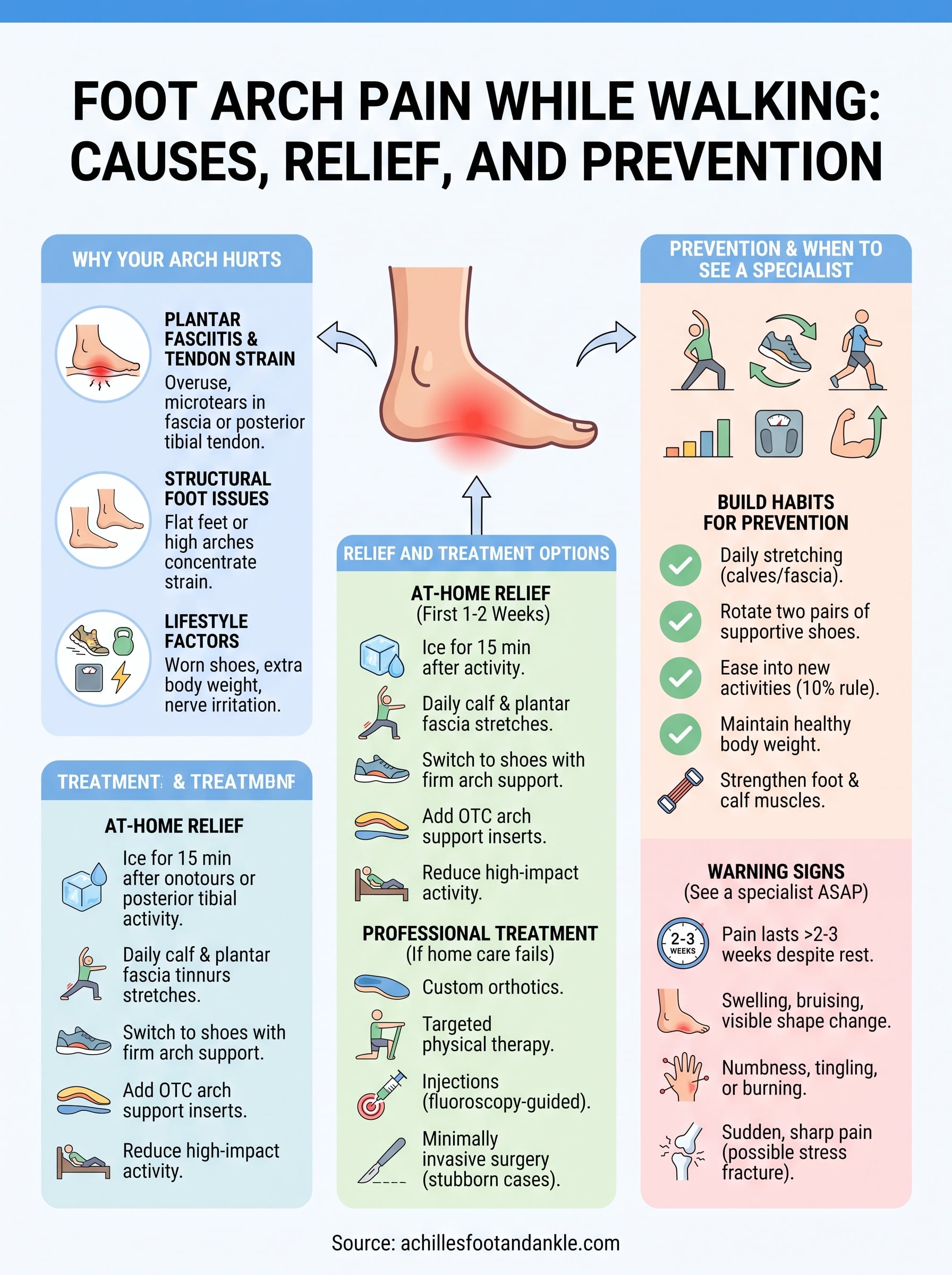
Why your arch hurts when you walk
Your arch works as a natural shock absorber, distributing weight across the plantar fascia, tendons, and small bones every time your foot strikes the ground. When that structure gets overloaded, inflamed, or misaligned, foot arch pain while walking shows up as a burning, stabbing, or aching sensation that often worsens with your first steps in the morning or after sitting for a while.
Plantar fasciitis and tendon strain
Inflammation of the plantar fascia, the thick band of tissue running from your heel to your toes, is the leading cause of arch pain we treat. Overuse from running, standing on concrete floors all day, or a sudden jump in activity can trigger microtears in this tissue. Posterior tibial tendon dysfunction, a less common but more serious condition, causes similar pain but progresses toward a collapsing arch if left untreated.
Most arch pain starts as a small overuse injury that gets worse the longer you ignore it.
Structural foot issues
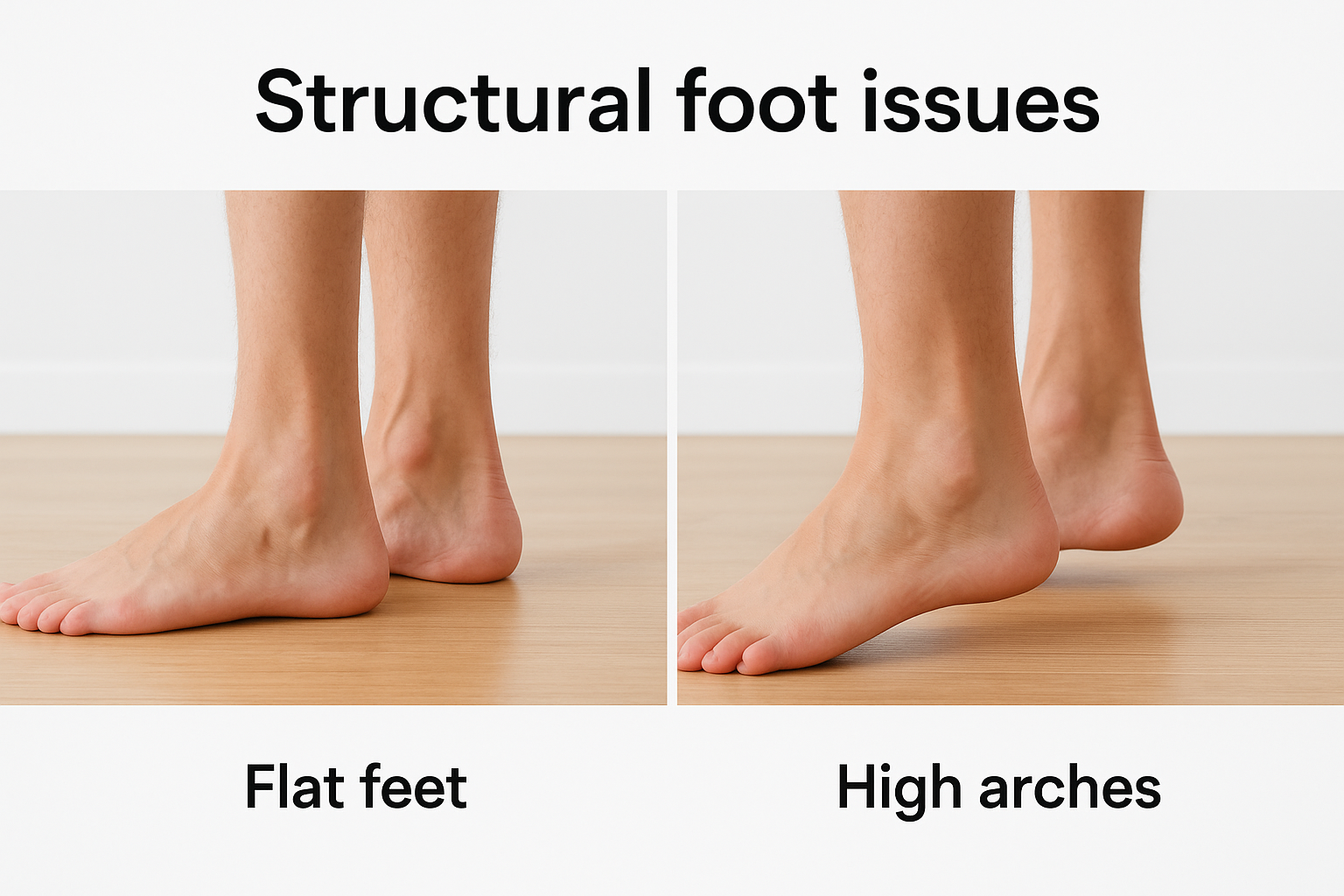
Flat feet and high arches both change how force travels through your foot with each step. Flat feet let the arch collapse inward, stretching the plantar fascia with every stride. High, rigid arches don’t absorb shock well, so the strain concentrates in the midfoot instead of spreading out.
| Arch type | Typical pain pattern | Common trigger |
|---|---|---|
| Flat feet | Aching along inner arch and ankle | Long periods of standing or walking |
| High arches | Sharp pain under midfoot | Running, uneven surfaces |
| Normal arch, overused | Burning or throbbing after activity | Worn shoes, sudden mileage increase |
Footwear, weight, and nerve involvement
Shoes without proper arch support force your plantar fascia and tendons to do extra work, and this adds up fast if you’re on your feet for hours. Extra body weight increases the load on your arch with every step, which is why weight changes often coincide with new arch pain. Nerve irritation, sometimes from tarsal tunnel syndrome, can also mimic mechanical arch pain but responds to a completely different treatment approach, which is why an accurate diagnosis matters before you start treating the wrong problem.
How to relieve and treat foot arch pain
Start with the basics before jumping to anything more involved. Rest, ice, and stretching calm down acute inflammation, while switching to shoes with real arch support stops the aggravation from repeating every time you walk.
At-home relief steps
Try these in order over the first one to two weeks:
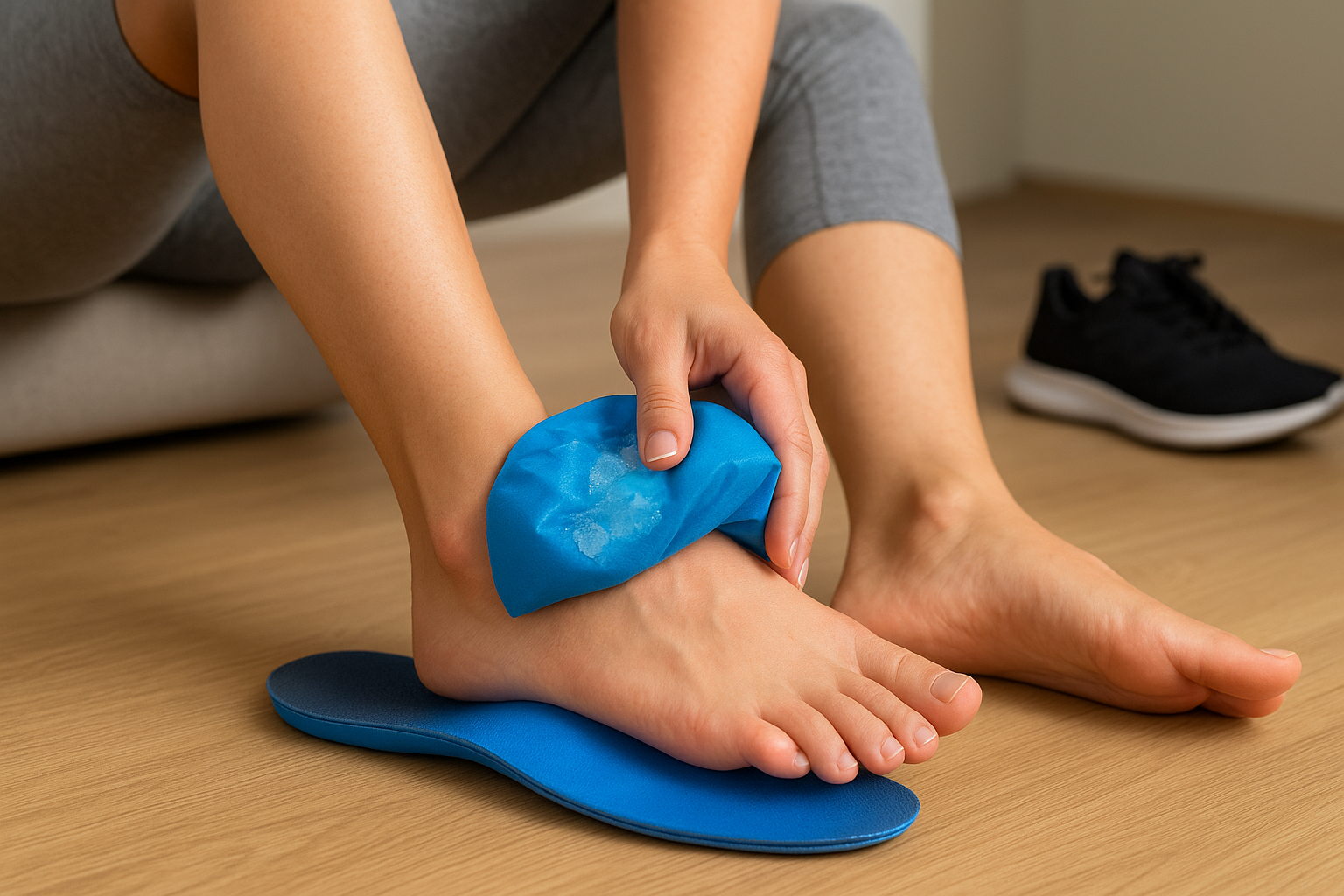
- Ice the arch for 15 minutes after activity to reduce swelling
- Stretch your calves and plantar fascia each morning before standing
- Swap flip-flops or worn sneakers for shoes with firm arch support
- Add an over-the-counter arch support insert for extra cushioning
- Reduce high-impact activity like running on hard pavement for a week
Simple changes to your footwear and daily stretching resolve mild arch pain more often than any other single fix.
When home care isn’t enough
Underlying issues like posterior tibial tendon dysfunction or a stress fracture won’t respond to rest alone, and pushing through the pain usually makes them worse. Our podiatrists start with a physical exam and, when needed, digital imaging to confirm what’s actually driving your symptoms before recommending a treatment path.
Professional treatment typically includes custom orthotics molded to your specific foot shape, targeted physical therapy to strengthen the muscles supporting your arch, and in some cases a fluoroscopy-guided injection to reduce inflammation directly at the source. Bracing can offload a strained tendon while it heals, and for stubborn cases that don’t improve with conservative care, minimally invasive surgical options are available at our Foot and Ankle Surgery Center. Matching the treatment to the actual cause is what separates lasting relief from a pain that keeps coming back every few months.
How to prevent arch pain from coming back
Once your arch pain calms down, the real work is keeping it from returning. Most repeat cases we see happen because someone goes back to their old shoes, old habits, and old activity levels the moment the pain fades, which just resets the same overuse cycle.
Build habits that protect your arch
Consistency matters more than any single product. Daily stretching of your calves and plantar fascia keeps the tissue flexible enough to handle repeated impact, and it takes less than five minutes each morning.
- Replace walking and running shoes every 300 to 500 miles, even if they still look fine
- Keep a rotation of two supportive shoes instead of wearing one pair down daily
- Ease into new activity, adding no more than 10 percent extra distance or standing time per week
- Maintain a healthy body weight to reduce the load on your arch with every step
- Strengthen your foot and calf muscles with resistance band exercises a few times a week
The shoes you wear every day matter more for long-term arch health than any single treatment.
Know your foot type and plan around it
If you have flat feet or high, rigid arches, generic shoe inserts usually aren’t enough for the long run. A custom orthotic, fitted to your specific foot structure, redistributes pressure the way a standard insert can’t, and it’s worth the investment if you’ve had recurring pain more than once.
Working on a hard floor for your job, training for a race, or standing for long shifts all raise your risk, so build in extra recovery time around those demands. Small, consistent adjustments beat a single intense fix every time arch pain flares up again.
When to see a foot and ankle specialist
Most arch pain responds well to rest, better shoes, and a few weeks of stretching, but some symptoms mean you need a professional exam sooner rather than later. Waiting too long on foot arch pain while walking can turn a simple overuse injury into a chronic tendon problem that takes months to resolve.
Warning signs that need attention
Certain symptoms point to something beyond a routine strain, and they’re worth acting on quickly.
- Pain that lasts more than two to three weeks despite rest and stretching
- Swelling, bruising, or visible changes in your arch’s shape
- Numbness, tingling, or burning that suggests nerve involvement
- Sudden, sharp pain after an injury, which could indicate a stress fracture
- Arch pain paired with diabetes or poor circulation, where small issues escalate fast
If arch pain changes how you walk or lasts beyond a few weeks, it’s time for a professional exam, not another week of guessing.
What to expect at your visit
Expect a physical exam of your foot’s alignment, strength, and range of motion, followed by digital imaging if a fracture or tendon tear is suspected. Fluoroscopy-guided injections and ultrasound imaging let our team pinpoint the exact source of inflammation instead of treating the general area. Getting an accurate diagnosis early means fewer wasted weeks on the wrong treatment and a faster return to normal activity, especially if you have diabetes, a prior foot injury, or arch pain that keeps returning despite your best efforts at home.
Getting back to pain-free steps
Arch pain has a cause, and once you find it, relief usually follows fast. Whether your discomfort traces back to plantar fasciitis, worn shoes, or a structural issue like flat feet, the fix rarely requires guesswork if you address it early instead of hoping it fades on its own.
Better footwear, daily stretching, and a smarter approach to activity solve most mild cases within a few weeks. But foot arch pain while walking that lingers, changes your gait, or comes with swelling and numbness deserves a real exam, not another round of rest and hope. Our podiatrists see this exact pattern every week, and catching it early almost always means a shorter, simpler recovery.
Don’t let another week of aching steps go by. If your arch pain has stuck around longer than it should, schedule a same-day appointment and get a clear answer, and a real plan, from a specialist who treats this every day.