Running puts repetitive stress on your feet, and without proper arch support, that stress compounds into real problems. Plantar fasciitis, shin splints, overpronation, and general foot fatigue are all common among runners who skip this one affordable fix. Choosing the best arch support insoles for running shoes can make the difference between logging comfortable miles and dealing with chronic pain that sidelines your training.
Your running shoes come with generic, factory-made insoles designed for the average foot. But most feet aren’t average. Flat arches, high arches, wide forefeet, these variations change how force travels through your foot with every stride. A quality aftermarket insole corrects alignment, distributes pressure more evenly, and reduces the mechanical strain that leads to overuse injuries. For many runners, it’s the single most effective upgrade they can make to protect their feet long-term.
At Achilles Foot and Ankle Center, our podiatrists treat runners across Central Virginia for the exact conditions that poor arch support causes. We see what works, and what doesn’t, in our clinics every day. Our team put together this list of 11 top-performing arch support insoles for 2026, evaluated for cushioning, stability, durability, and fit. Whether you’re a casual jogger or training for your next race, this guide will help you find the right insole for your arch type and running style.
1. Custom orthotics from Achilles Foot and Ankle Center
If you’re serious about resolving a persistent foot problem, custom orthotics are the most precise option available. Unlike any over-the-counter product, these are fabricated specifically for your foot structure, arch height, gait mechanics, and the conditions you’re trying to treat. They sit at the top of this list because nothing else in the category of best arch support insoles for running shoes comes close to what a prescription orthotic can do for a runner with genuine biomechanical issues.
What you get and how it works
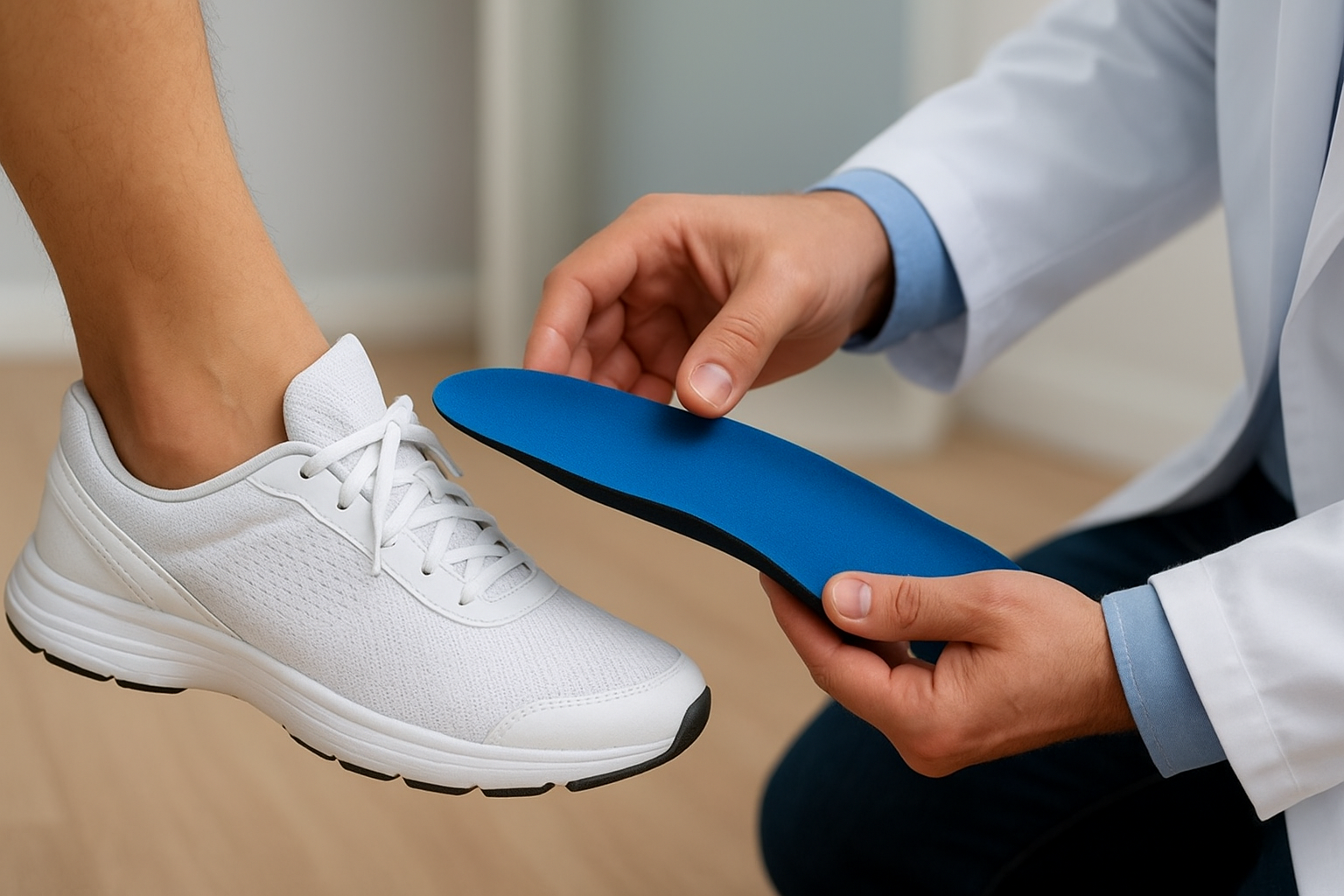
Custom orthotics from Achilles Foot and Ankle Center begin with a thorough in-person evaluation by a licensed podiatrist. Your provider assesses your arch type, measures your foot dimensions, and analyzes how you walk and run before taking a precise mold or digital scan. The lab then fabricates a rigid or semi-rigid shell, topped with cushioning materials chosen for your specific activity, foot mechanics, and body weight, resulting in an insole that matches your foot exactly rather than approximating a statistical average.
A custom orthotic does not just support your arch; it corrects the alignment of your entire lower limb, which directly changes how force travels through your knee, hip, and lower back on every stride.
Best for
Custom orthotics are the right call when over-the-counter options have failed to resolve your pain, or when a podiatrist has identified a structural problem that a generic product cannot correct.
- Runners with moderate to severe overpronation or supination
- Patients managing plantar fasciitis, posterior tibial tendon dysfunction, or stress fractures
- Diabetic runners who require pressure offloading to protect at-risk tissue
- Athletes returning to training after foot or ankle surgery who need controlled support during recovery
Pros and cons
Custom orthotics deliver precision that no mass-produced insole can match, and your podiatrist can make targeted adjustments over follow-up visits as your condition changes. The orthotic effectively evolves with you. On the downside, the upfront cost is higher than any retail option, and you typically need two pairs if you rotate between multiple running shoes, which adds to the overall expense.
| Details | |
|---|---|
| Pros | Exact fit, clinically prescribed, adjustable, long lifespan (3 to 5 years) |
| Cons | Higher upfront cost, requires appointments, not available same-day |
Fit, sizing, and break-in tips
Your podiatrist confirms the fit at a follow-up visit after your orthotics arrive, but expect a break-in period of one to two weeks. Start by wearing them on short runs of two to three miles before building up your mileage. If you feel localized pressure or discomfort in an unexpected spot, contact the clinic promptly rather than pushing through it, since minor adjustments are quick, common, and included in your care.
Price range and insurance notes
Custom orthotics typically range from $300 to $600 per pair without insurance. Many major insurance plans, including Medicare, cover a portion of the cost when a podiatrist documents medical necessity, which is standard practice at Achilles Foot and Ankle Center. The team verifies your specific benefits before you commit, so you know what to expect before any cost is incurred.
2. Currex RunPro
The Currex RunPro is one of the most runner-specific insoles on the market, designed by a company that focuses almost exclusively on activity-based insole engineering. It comes in three arch profiles: low, medium, and high, so you match the insole to your actual arch height rather than settling for a one-size-fits-most solution.
What it is and how it supports your arch
Currex builds the RunPro around a dynamic shell that flexes under load to guide your foot through a more efficient stride cycle. The arch profile channels your foot’s natural movement rather than locking it rigid, which reduces fatigue over long runs. The top layer uses moisture-wicking foam that stays relatively dry and responsive even after repeated use, making it a strong candidate if you’re evaluating the best arch support insoles for running shoes for high-mileage training.
The three-profile system means you need to measure your arch height before ordering, since using the wrong profile will reduce the insole’s effectiveness significantly.
Best for
The RunPro works best for neutral to mild overpronators who want dynamic support rather than firm correction. It fits most standard running shoe volumes without displacing the existing insole too aggressively.
- Runners logging 30 or more miles per week
- Athletes with mild plantar fasciitis or general arch fatigue
- Runners who prefer responsive flex over stiff control
Pros and cons
Currex’s three-arch-profile option sets it apart from most retail competitors. The dynamic shell adapts well to varied terrain, and the insole holds its shape through hundreds of miles. The downside is that selecting the wrong profile is a common mistake, and returns or exchanges add friction to the buying process.
| Details | |
|---|---|
| Pros | Three arch options, activity-specific design, durable, moisture management |
| Cons | Requires accurate arch measurement, pricier than basic insoles |
Fit, sizing, and break-in tips
Trim the insole to your shoe’s existing insole size using the printed cutting guide on the bottom. Most runners adapt within three to five runs, though those switching from a flat factory insole may need a full week before the arch feel becomes comfortable.
Price range
The Currex RunPro retails for approximately $55 to $65 depending on the retailer and size.
3. Superfeet Run Support Medium Arch
Superfeet has been making insoles for decades, and the Run Support Medium Arch is their answer to runners who fall squarely in the middle of the arch height spectrum. It delivers structured support with enough cushioning to stay comfortable over long training blocks, making it one of the more balanced options among the best arch support insoles for running shoes.
What it is and how it supports your arch
The Run Support Medium Arch centers on a semi-rigid stabilizer cap that sits under your heel and midfoot, controlling rearfoot motion without completely restricting natural flex. Superfeet pairs this cap with a biomechanical shape that cups your heel snugly to reduce internal rotation as your foot strikes the ground. The foam layer on top uses their proprietary Aerospring cushioning, which compresses and rebounds efficiently rather than packing out after a few hundred miles.
Medium-arch runners often borrow insoles from either end of the spectrum and wonder why they feel off. Matching your actual arch height to the correct profile is what makes this insole click into place.
Best for
This insole targets medium-arch runners who need reliable support without the aggressive correction of a high-arch product. It suits a wide range of running shoe styles and works particularly well in neutral trainers and daily mileage shoes.
- Runners experiencing mild overpronation or general arch fatigue
- Athletes who log moderate weekly mileage between 15 and 40 miles
- Runners transitioning off a generic factory insole for the first time
Pros and cons
The Run Support Medium Arch earns consistent praise for its heel cup depth and overall durability. Most runners find it holds structure well past 500 miles. The trade-off is that it runs slightly thicker than low-volume alternatives, so it may feel crowded inside snug-fitting racing shoes.
| Details | |
|---|---|
| Pros | Durable stabilizer cap, deep heel cup, reliable cushioning rebound |
| Cons | Thicker profile, not ideal for low-volume or racing flats |
Fit, sizing, and break-in tips
Trim the insole using the size guide printed on the underside to match your shoe’s existing insole shape. Most runners adapt within four to six runs, with the heel cup feeling most noticeable in the first few sessions before it settles naturally.
Price range
The Superfeet Run Support Medium Arch retails for approximately $55 to $60 at most running specialty and online retailers.
4. Superfeet Run Cushion High Arch
Where the Run Support Medium Arch targets the middle of the spectrum, the Superfeet Run Cushion High Arch addresses a distinct biomechanical need: runners whose arches sit significantly higher than average. High-arch feet tend to underpronate, meaning the foot doesn’t roll inward enough on impact, which concentrates pressure on the heel and forefoot rather than distributing it evenly across the midfoot.
What it is and how it supports your arch
This insole pairs Superfeet’s high-profile stabilizer cap with a thicker foam layer than their medium-arch equivalent, prioritizing shock absorption alongside structural support. If you’re sorting through the best arch support insoles for running shoes and your arches are rigid and high, standard cushioning often falls short. The deep heel cup aligns your rearfoot and helps channel force toward the center of your foot rather than letting it roll to the outer edge, reducing the lateral stress that high-arch runners commonly accumulate over distance.
High-arch runners often overlook insole support because their arches don’t collapse, but an unsupported high arch transmits excessive shock straight into the heel and ball of the foot with every stride.
Best for
This insole suits runners whose feet pronate insufficiently rather than excessively. It works well in standard and higher-volume training shoes where the extra foam layer fits comfortably without displacing too much interior space.
- Runners with high, rigid arches prone to heel and forefoot pain
- Athletes dealing with lateral ankle stress or iliotibial band tightness
- Runners who need cushioning as their primary priority alongside arch structure
Pros and cons
The Run Cushion High Arch delivers noticeable shock absorption that standard insoles don’t provide for rigid high-arch feet. The stabilizer cap holds its shape reliably over several hundred miles. The thicker foam profile, however, may feel tight in lower-volume shoes or racing flats where interior space is already limited.
| Details | |
|---|---|
| Pros | Enhanced cushioning, deep heel cup, durable structure, well-suited for rigid feet |
| Cons | Thicker profile, may not fit low-volume shoes comfortably |
Fit, sizing, and break-in tips
Trim this insole to match your shoe’s existing insole outline before your first run. Most high-arch runners notice immediate comfort improvement, though a full break-in of four to seven runs is typical before the foam fully settles under your arch.
Price range
The Superfeet Run Cushion High Arch retails for approximately $55 to $60 at major running retailers and online stores.
5. SOLE Active Medium
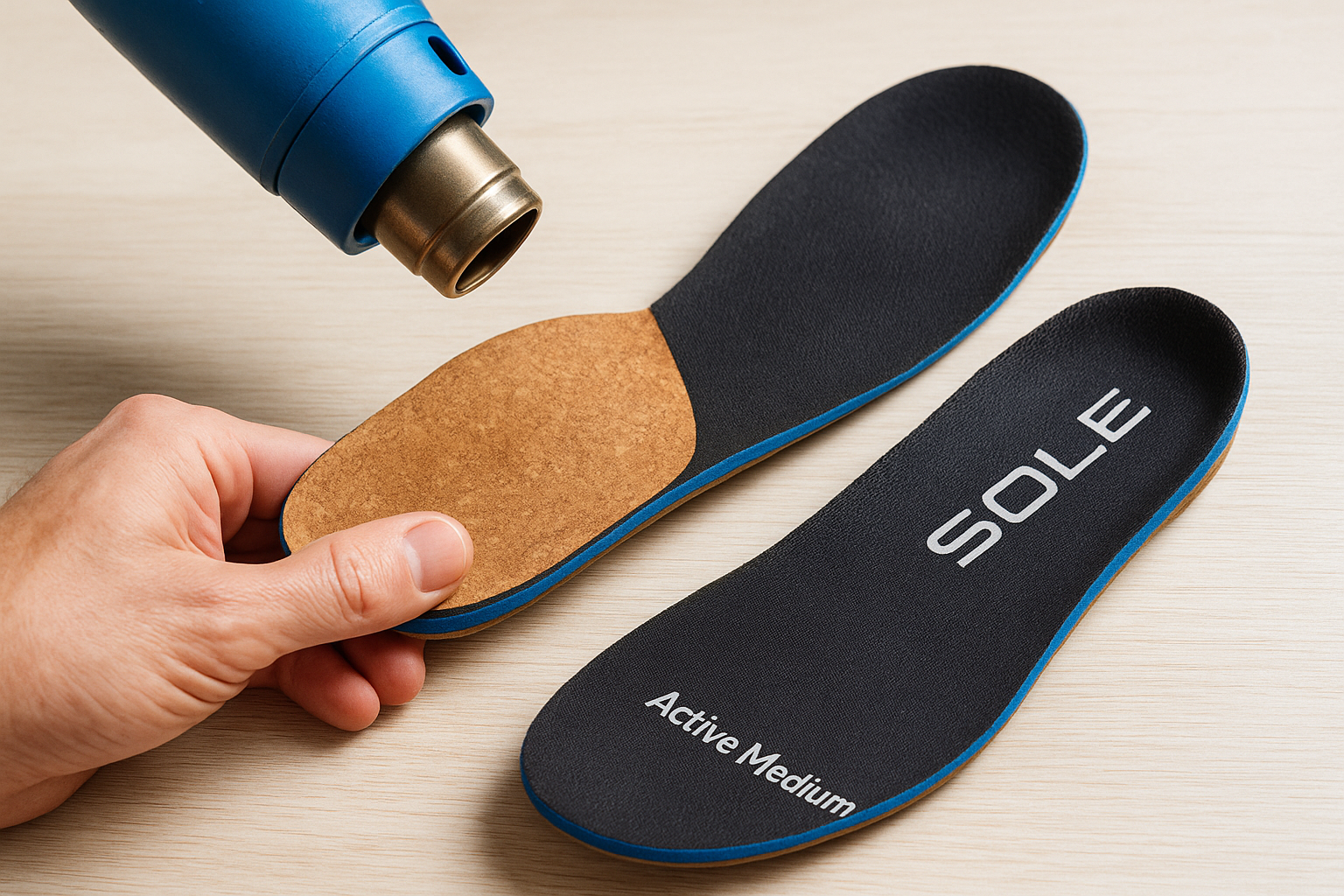
The SOLE Active Medium takes a different approach from most insoles on this list by using heat-moldable technology that allows the footbed to conform to your specific arch shape at home. This semi-custom feature puts it in a category that sits between generic over-the-counter products and full custom orthotics, making it a practical middle-ground option for runners who haven’t found success with fixed-shape insoles.
What it is and how it supports your arch
SOLE builds the Active Medium around a cork and EVA base that softens when heated and firms up as it cools in the shape of your foot. The medium arch profile suits runners whose feet fall between flat and high, and the deep heel cup controls rearfoot motion while the molded arch cradles your midfoot from below. When evaluating the best arch support insoles for running shoes, the heat-moldable feature gives SOLE a real advantage for runners whose foot shape doesn’t match the fixed contours of standard products.
A heat-moldable insole still follows your arch rather than correcting it, so runners with significant biomechanical issues should consider a podiatrist evaluation before relying on this option.
Best for
SOLE’s Active Medium works well for runners with medium arches who want a closer fit than a standard insole offers but aren’t ready to commit to a full custom orthotic.
- Runners with medium to mildly high arches seeking a personalized fit
- Athletes dealing with general arch fatigue or mild plantar fasciitis
- Runners who find standard fixed-shape insoles too generic
Pros and cons
The heat-moldable feature genuinely delivers a more personalized fit than fixed alternatives at a similar price point. Cork-based construction also holds its shape longer than basic foam insoles do. The main drawback is that the molding process requires an oven and careful attention to the instructions to get a result that accurately captures your arch contour.
| Details | |
|---|---|
| Pros | Heat-moldable fit, durable cork base, deep heel cup |
| Cons | Extra molding steps required, fixed medium profile only |
Fit, sizing, and break-in tips
Follow SOLE’s instructions to heat the insoles at 200°F for two minutes, then stand on them in your running shoes for one to two minutes while they cool and set. Most runners need only one or two short runs to feel fully settled after the molding step.
Price range
Expect to pay approximately $55 to $65 for the SOLE Active Medium depending on size and retailer.
6. PowerStep Pinnacle High Arch
The PowerStep Pinnacle High Arch is one of the most widely recommended over-the-counter insoles among podiatrists, and for good reason. It brings clinical-grade support to a retail product, making it a strong contender when you’re searching for the best arch support insoles for running shoes that don’t require a prescription.
What it is and how it supports your arch
PowerStep builds the Pinnacle High Arch around a semi-rigid polypropylene shell that holds its structure run after run without bottoming out the way foam-only products do. A double-layer cushioning system sits on top of the shell, combining a firmer base foam with a softer top layer to absorb impact at the heel and forefoot simultaneously. The contoured arch profile lifts and supports without forcing your foot into an uncomfortable position, which makes it well-suited for runners whose high arches cause recurring heel or ball-of-foot pain.
High-arch runners tend to pronate less than average, which shifts repetitive impact toward the outer foot, and a firm shell helps redirect that load more evenly across the entire foot structure.
Best for
The Pinnacle High Arch targets runners who need structured support paired with reliable cushioning, particularly those dealing with pain that soft insoles have failed to reduce.
- Runners with high arches and chronic heel pain or plantar fasciitis
- Athletes who rotate between multiple pairs of training shoes
- Runners who want a podiatrist-recommended product at a mid-range price
Pros and cons
The PowerStep Pinnacle High Arch holds up well over several hundred miles, and the semi-rigid shell resists compression far longer than basic foam alternatives. The antimicrobial top cover also reduces odor buildup over extended use. On the downside, the firm arch may feel aggressive to runners who are new to structured insoles and need a gradual transition.
| Details | |
|---|---|
| Pros | Durable shell, double-layer cushioning, antimicrobial cover, podiatrist-recommended |
| Cons | Firm feel requires adjustment period, not ideal for low-volume shoes |
Fit, sizing, and break-in tips
Trim the insole to match your existing shoe insole using the size markings on the underside. Most runners need five to seven runs before the firm arch stops feeling pronounced and starts feeling supportive.
Price range
The PowerStep Pinnacle High Arch retails for approximately $40 to $50 depending on size and retailer.
7. Spenco Total Support Max
The Spenco Total Support Max lives up to its name by delivering one of the firmest, most structured arch profiles available at the retail level. If softer options have failed to resolve your pain, this insole deserves a close look when you’re comparing the best arch support insoles for running shoes that prioritize maximum correction over minimal cushioning.
What it is and how it supports your arch
Spenco builds the Total Support Max around a rigid nylon arch plate that holds its shape under heavy load across hundreds of miles. A deep SpenCore cushioning layer sits above the plate to absorb impact at the heel and forefoot, while the firm arch lifts and controls the midfoot throughout each stride. That combination makes it particularly effective for runners whose feet need significant structural correction rather than light comfort padding.
A rigid arch plate reduces energy transferred into your joints over time, which matters most for heavier runners or those logging high weekly mileage on hard surfaces.
Best for
This insole suits runners who need the highest level of arch support available without a prescription. It fits well in standard to higher-volume training shoes where the thicker profile sits comfortably without crowding the toe box.
- Runners with severe overpronation or flat arches
- Athletes dealing with chronic plantar fasciitis or posterior tibial pain
- Heavier runners who compress softer insoles too quickly
Pros and cons
The Total Support Max delivers exceptional durability and structural consistency, typically holding up past 500 miles of use. The antimicrobial top fabric keeps odor manageable through extended training blocks. The main drawback is its firm, pronounced arch, which demands a real adjustment period for runners moving up from softer, less structured products.
| Details | |
|---|---|
| Pros | Rigid arch plate, durable cushioning, antimicrobial cover, long lifespan |
| Cons | Firm feel requires adjustment, thicker profile may not suit low-volume shoes |
Fit, sizing, and break-in tips
Trim the insole to match your shoe’s existing insole outline before your first run. Plan for a break-in period of five to ten runs before the firm arch transitions from noticeable to natural.
Price range
The Spenco Total Support Max retails for approximately $40 to $50 depending on size and retailer.
8. Sidas Run 3Feet Sense
The Sidas Run 3Feet Sense stands out among running insoles because it uses a two-variable fit system: arch height (low, mid, or high) combined with a flex index that categorizes your foot’s stiffness. That dual-matching approach makes it one of the more targeted options when you’re searching for the best arch support insoles for running shoes and single-profile products haven’t worked for you.
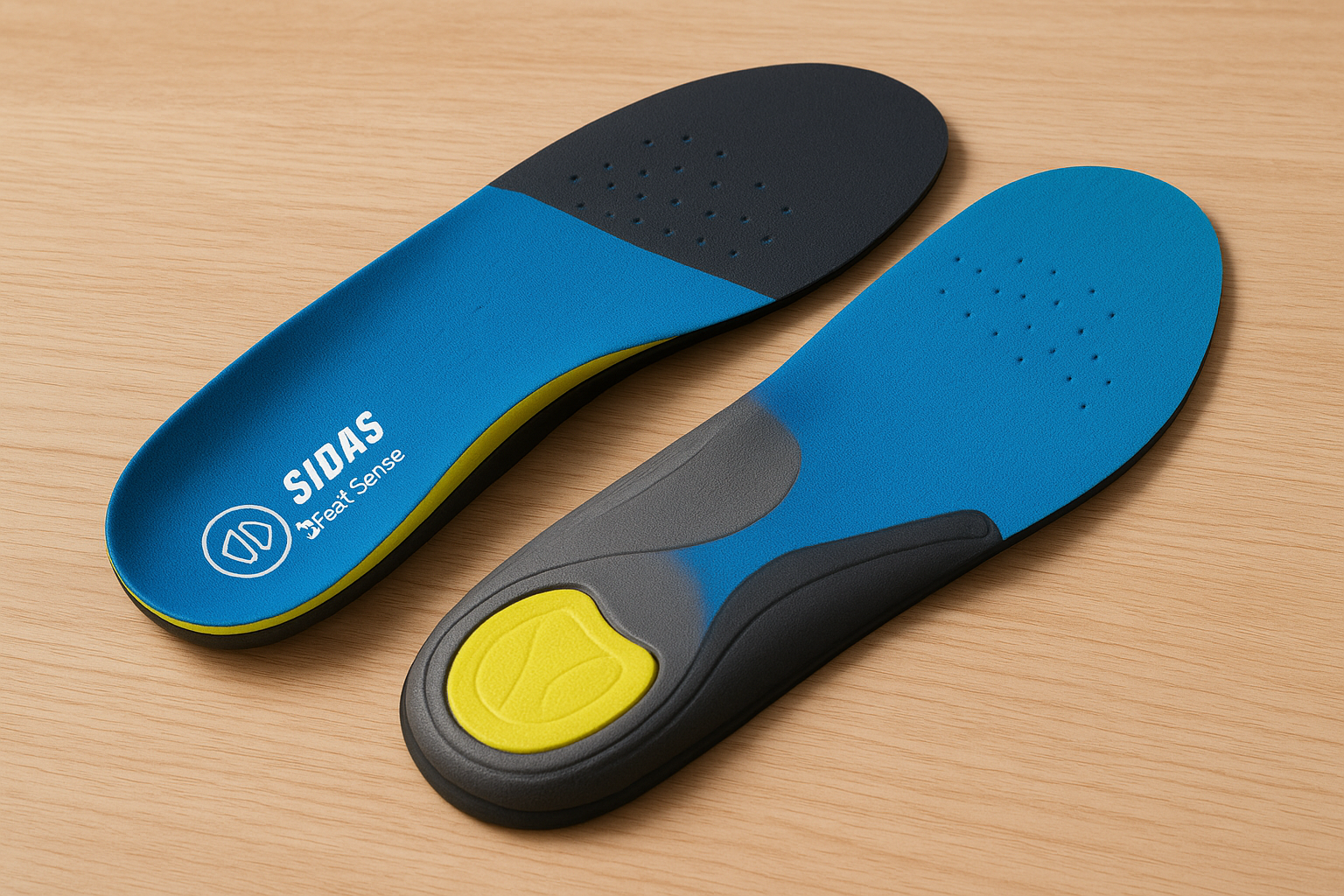
What it is and how it supports your arch
Sidas constructs the Run 3Feet Sense around an anatomically contoured shell that varies in firmness depending on which version you select. The insole’s 3D-profiled architecture supports the arch from the heel through the midfoot, guiding your foot into proper alignment without forcing a rigid correction. A thin, moisture-wicking top cover keeps the surface dry during longer efforts, while the responsive foam layer beneath cushions heel strike and toe-off without adding unnecessary bulk.
Matching both your arch height and your foot’s flexibility index is what makes this system work; using the wrong flex profile reduces the corrective benefit significantly.
Best for
The Run 3Feet Sense suits medium to high-arch runners who want a precise fit based on more than arch height alone. It performs well in standard-volume road trainers and trail shoes where the insole’s moderate profile fits comfortably.
- Runners who want a two-variable fit system (arch height plus flex rating)
- Athletes managing mild to moderate overpronation or arch fatigue
- Runners who find single-profile retail insoles too imprecise
Pros and cons
The dual-variable system gives this insole a genuine precision advantage over single-profile competitors at a similar price point. The moisture-wicking cover also holds up well through warm-weather training. One real drawback is that selecting the wrong flex profile delivers noticeably less benefit than the correct pairing would, so the self-assessment step matters.
| Details | |
|---|---|
| Pros | Dual-fit system, moisture-wicking cover, precise arch profiling |
| Cons | Requires two measurements to select correctly, limited retail availability |
Fit, sizing, and break-in tips
Trim the insole using the cutting guide printed on the underside to match your shoe’s existing insole shape. Most runners adapt within three to five runs, though switching from a softer product may require a few extra sessions before the arch support feels natural.
Remove your shoe’s factory insole before inserting the Run 3Feet Sense to avoid raising your heel too high inside the shoe, which changes your stride mechanics more than you want.
Price range
The Sidas Run 3Feet Sense retails for approximately $50 to $60 depending on the version and retailer.
Availability at specialty running stores tends to be better than general sporting goods chains, which means you may have a smoother exchange experience if you need to swap to a different flex profile after your first few runs.
9. Aetrex Performance Comfort Orthotic Insoles
The Aetrex Performance Comfort Orthotic Insoles combine podiatrist-designed arch support with a metatarsal pad that few competitors at this price point include. When you’re searching for the best arch support insoles for running shoes that address both arch fatigue and forefoot pressure simultaneously, Aetrex offers a more complete mechanical solution than most single-zone products provide.
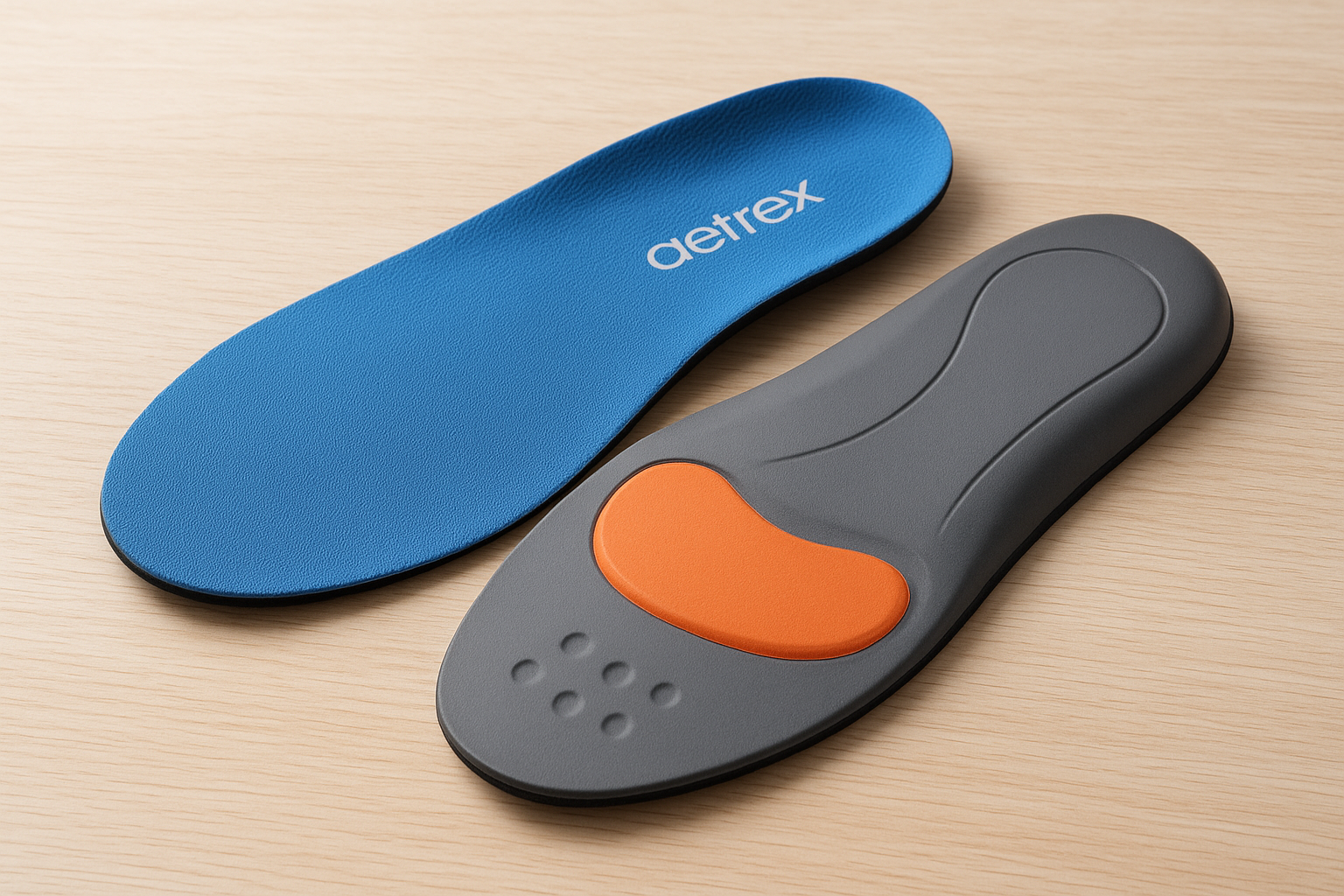
What it is and how it supports your arch
Aetrex builds this insole around a semi-rigid polyurethane arch support that holds its shape through consistent mileage without the rigidity of a hard nylon plate. A built-in metatarsal pad lifts the metatarsal heads slightly to spread forefoot load across a wider surface area, reducing the concentrated pressure that causes ball-of-foot pain during long runs. The top layer uses a moisture-wicking fabric that keeps the surface dry and reduces friction across longer training sessions.
The metatarsal pad is what separates this insole from most retail competitors; it addresses forefoot stress that a standard arch-only design completely ignores.
Best for
This insole works best for runners whose pain doesn’t stay isolated to the arch and instead radiates into the forefoot or ball of the foot during or after runs. It fits well in standard-volume road trainers and everyday running shoes with normal interior space.
- Runners dealing with forefoot pain or metatarsalgia alongside arch fatigue
- Athletes with medium to high arches who need dual-zone support
- Runners who have tried arch-only insoles without full relief
Pros and cons
The dual-zone design gives Aetrex a genuine advantage for forefoot-related pain that most arch-only insoles don’t resolve. The semi-rigid shell balances structure and flex well for moderate mileage. On the downside, the metatarsal pad may feel intrusive in the first several runs before your foot adjusts to the lift.
| Details | |
|---|---|
| Pros | Dual-zone support, metatarsal pad, moisture-wicking cover, durable shell |
| Cons | Metatarsal pad requires adjustment period, thicker profile in forefoot area |
Fit, sizing, and break-in tips
Trim the insole to match your shoe’s factory insole outline using the cutting guide on the underside. Expect a break-in period of five to seven runs before both the arch and metatarsal pad feel natural rather than pronounced.
Price range
The Aetrex Performance Comfort Orthotic Insoles retail for approximately $45 to $55 depending on size and retailer.
10. 10 Seconds Ultra Arch 3810
The 10 Seconds Ultra Arch 3810 delivers firm, structured support at a price that undercuts most of the competition by a significant margin. For runners who want reliable arch correction without spending $50 or more, this insole is worth a close look when comparing the best arch support insoles for running shoes on a tighter budget.
What it is and how it supports your arch
10 Seconds builds the Ultra Arch 3810 around a rigid plastic arch plate that sits beneath a moderate cushioning layer, creating a product that prioritizes structural control over soft underfoot feel. A deep heel cup locks your rearfoot into alignment from the moment your foot strikes the ground, reducing the inward roll that causes arch and heel pain over accumulated mileage. The top fabric is basic but functional, offering minimal moisture management compared to higher-priced competitors.
The rigid plate sets this insole apart from foam-only budget options, which typically compress within a few months and lose any meaningful arch support in the process.
Best for
This insole suits runners who need firm, no-frills arch support and prioritize structural durability over premium cushioning. It fits well in standard athletic and training shoes with normal interior volume.
- Runners managing mild to moderate overpronation on a budget
- Athletes who prefer a firm underfoot feel over cushioned flexibility
- Casual runners seeking a durable upgrade from factory insoles
Pros and cons
The Ultra Arch 3810 holds its shape far longer than foam-only alternatives at the same price, and the rigid plate resists compression even with daily use. However, the minimal cushioning layer means this insole delivers less shock absorption than most mid-range products on this list, which matters more on longer runs or harder surfaces.
| Details | |
|---|---|
| Pros | Rigid arch plate, deep heel cup, durable, budget-friendly |
| Cons | Limited cushioning, basic moisture management, not suited for high-mileage training |
Fit, sizing, and break-in tips
Trim the insole to match your shoe’s factory insole outline before your first run. Most runners adapt within four to six sessions, though the firm arch can feel pronounced initially if you’re coming from a softer product.
Price range
The 10 Seconds Ultra Arch 3810 retails for approximately $20 to $30 depending on size and retailer.
11. Dr. Scholl’s Sport Insoles
Dr. Scholl’s Sport Insoles round out this list as the most accessible entry-level option available. You can find them at grocery stores, pharmacies, and mass retailers nationwide, making them the easiest insole to grab when you need a quick upgrade from a worn-down factory insert without waiting for shipping.
What it is and how it supports your arch
Dr. Scholl’s Sport Insoles use a dual-layer foam construction that combines a firmer base with a softer top surface to cushion heel strike and reduce arch fatigue during moderate activity. The arch profile is low-to-medium in height and focuses on basic shock absorption rather than firm biomechanical correction, which puts this product in the comfort category rather than the clinical support category. When you’re scanning through the best arch support insoles for running shoes, this one fits best as a starter option or a short-term solution while you wait for a better-matched product to arrive.
If your arch pain persists after two to three weeks of using a basic foam insole, that’s a clear signal your foot needs more structural correction than an entry-level product can provide.
Best for
These insoles target casual and recreational runners who experience mild general fatigue rather than a specific structural problem. They fit easily into most standard athletic shoes.
- Runners with neutral or low-to-medium arches and no significant biomechanical issues
- Athletes who want a budget-friendly cushioning upgrade over a thin factory insole
- Casual joggers running fewer than 15 miles per week on moderate surfaces
Pros and cons
The Sport Insoles are widely available and affordable, which means replacing a worn pair is fast and cheap. The foam top layer provides a noticeably softer feel underfoot from the first run. The downside is that the foam compresses relatively quickly, typically losing meaningful cushioning and arch support within two to three months of regular use.
| Details | |
|---|---|
| Pros | Widely available, affordable, soft feel, easy to replace |
| Cons | Compresses quickly, limited structural support, not suited for high mileage |
Fit, sizing, and break-in tips
Trim the insole to match your shoe’s factory insole outline using the size guide printed on the underside. Most runners feel comfortable from the very first run since the soft foam requires no real break-in period.
Price range
Dr. Scholl’s Sport Insoles retail for approximately $12 to $18 depending on size and retailer.
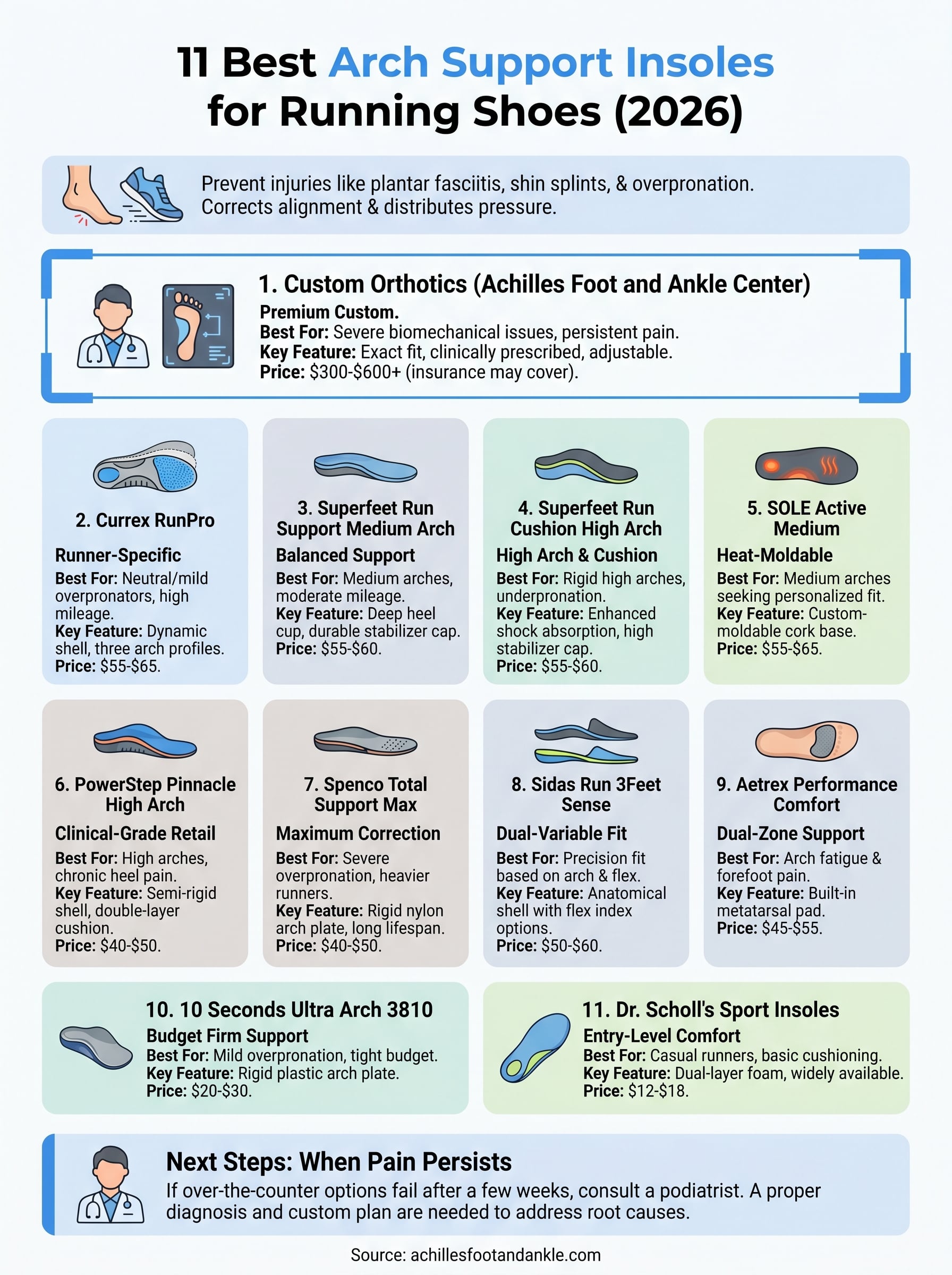
Next steps if your feet still hurt
The best arch support insoles for running shoes solve most cases of arch fatigue and mild pain, but they don’t fix every problem. If you’ve worked through two or three insoles from this list and your pain persists beyond a few weeks, an over-the-counter product is likely masking a structural issue that needs a proper diagnosis rather than solving it. Continuing to run through unresolved pain increases your risk of stress fractures, tendon damage, and chronic conditions that take months to recover from.
A podiatrist evaluates your foot mechanics, identifies the root cause of your pain, and builds a treatment plan around your specific anatomy. Custom orthotics, targeted therapy, and hands-on clinical care often resolve what retail insoles cannot. If you’re in Central Virginia, schedule a same-day appointment at Achilles Foot and Ankle Center and get your feet assessed by a specialist who works with runners every day.